5-Star Hotel Cancellation Policies: What You Need to Know
Almost every 5-star cancellation policy comes down to one choice you make at the moment of booking: a flexible rate, which you can cancel free of charge until a stated deadline — anywhere from 24 hours to several weeks before arrival — or a prepaid, non-refundable rate, typically 10 to 20 percent cheaper and lost in full if your plans change. Everything else is detail, but the detail is where money disappears: the deadline is usually set in the hotel's local time, resorts and peak dates run far longer windows than city hotels, a late cancellation normally costs at least the first night, and neither European consumer law nor most travel insurance will rescue a change of mind. This guide explains how the policies work, when they tighten, what actually protects you, and why the flexible rate is almost always the right call at this price tier. It builds on our guides to the questions to ask before booking a 5-star hotel and the best time to book a 5-star hotel.
Browse 5-Star Hotels With Flexible Rates and Perks
Flexible or Prepaid: The Two Rates Behind Every Luxury Booking
Open the rate list for almost any luxury hotel and the same two families appear, whatever the brand calls them. The flexible rate — "best available", "flexible", "standard" — is guaranteed with a card but not charged until you stay. You can cancel or change it without penalty up to the deadline, and the hotel collects payment at checkout. The prepaid rate — "advance purchase", "pay now", "non-refundable" — is charged at booking or shortly after, and once charged it is gone: no refund if you cancel, and usually no date changes either. The discount for accepting that risk is real but modest, commonly 10 to 20 percent at luxury properties.
The arithmetic is less favourable than it looks. On a four-night stay at US$1,000 a night, a 15 percent prepaid saving is worth US$600; cancelling that booking for any reason — a sick child, a moved meeting, a cancelled flight — costs US$3,400. You need to be very confident of your dates for that trade to make sense, and most people booking months ahead are not. Prepaid rates also often exclude the benefits that come with flexible ones, and cannot be cancelled and rebooked when a better offer appears for your dates. Between the two sits a third, less common option: a deposit rate, usually at resorts, where one night or a percentage of the stay is taken at booking and refunded only if you cancel inside the policy.
Reading the Deadline: Days, Time Zones and the Real Penalty
A flexible rate is only as flexible as its deadline, and three details decide what that deadline really means. The window. City hotels commonly allow cancellation until 24 to 72 hours before arrival; resorts often ask for seven days, fourteen or more; and luxury properties in peak season can ask for 30 days or longer. The window belongs to the rate and the dates, not the hotel, so the same property can quote 48 hours in March and a month at Christmas. The clock. The deadline is normally expressed in the hotel's local time, often as a fixed hour on a stated day. Booking Sydney from New York puts the harbour fourteen or more hours ahead of you, so a deadline that looks like "Thursday" on your calendar may already have passed by Wednesday afternoon at home. Always convert it, and aim to cancel a clear day early. The penalty. Missing the deadline does not usually forfeit the whole stay. At most hotels the late-cancellation charge is the first night's room rate plus tax; at some resorts and on peak dates it rises to several nights or the entire reservation. A no-show is normally charged the same way, and the rest of the reservation released — which catches travellers whose flight is delayed a day and who assume the room will simply wait.
Two further habits save real money. Treat a date change as a modification, not a cancellation. Most luxury hotels will move a flexible reservation to new dates as a change to the same booking, subject to availability — ask for exactly that rather than cancelling and starting again. Get the policy in writing. The confirmation should state the rate name, the deadline with its time zone, and the penalty; if it does not, ask for it to be reissued.
When the Rules Tighten: Resorts, Peak Dates and Seasonal Hotels
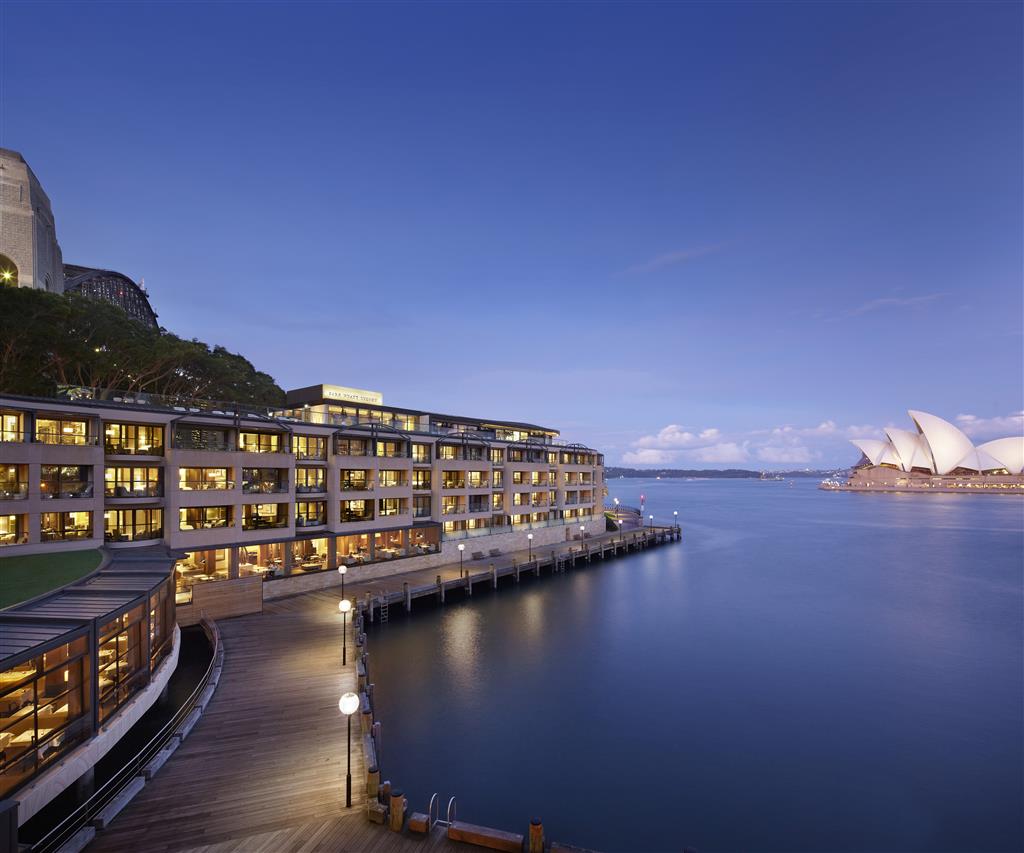
Luxury hotels tighten their terms exactly when a cancelled room is hardest to resell. Island and beach resorts sell to guests who fly long-haul and book far ahead, so a room released a week out rarely refills — hence the longer windows and the deposits. Festive periods are the most restrictive dates of the year: Christmas and New Year at resorts frequently come with minimum stays, deposits taken months ahead and cancellation deadlines measured in weeks. Event nights in cities behave the same way. Sydney on New Year's Eve, when Park Hyatt Sydney's harbour frontage beneath the Harbour Bridge sits at the centre of the fireworks, is the kind of date on which a hotel may publish special terms that bear no resemblance to its usual 48 hours, as are Grand Prix weekends, major trade fairs and festival weeks.
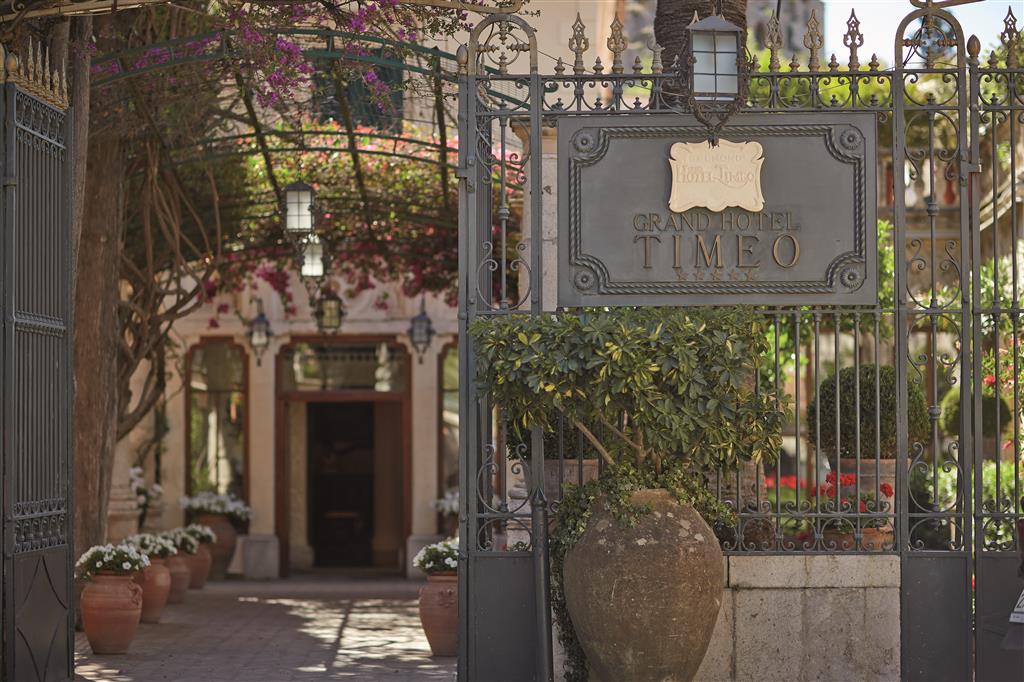
Seasonal properties are a further case. Belmond Grand Hotel Timeo in Taormina closes for the winter and reopens in spring, so its entire year is compressed into a single operating season, and the summer weeks — when guests come as much for the terrace beside the Greek theatre and a table at the Michelin-starred Otto Geleng as for the room — are exactly when a late cancellation is hardest to replace. Weather seasons matter too. Fiji's wet season, November to April, brings Six Senses Fiji its lowest rates and coincides with the South Pacific cyclone season; the Caribbean and Mexican Pacific carry hurricane seasons of their own. Most hotels do not waive their policy for forecast weather. Some will be flexible when an official warning or an airport closure actually stops you reaching them, but that is goodwill rather than a contractual right, which is why the next section matters.
What Actually Protects You When Plans Change
Most of the safety nets travellers count on are thinner than expected.Consumer law is the first surprise. The EU's Consumer Rights Directive gives shoppers a 14-day right to withdraw from most online purchases, but Article 16 expressly excludes accommodation booked for a specific date or period, so a hotel booking is not covered by any cooling-off period; UK rules follow the same principle. Your rights are whatever the rate's conditions say.
Standard travel insurance reimburses prepaid, non-refundable costs only when you cancel for a reason the policy lists — typically illness or injury, a death in the family, or specified events such as severe weather — and not because you have changed your mind or found a better hotel. Storm cover generally applies only if the policy was bought before the storm was named. Cancel For Any Reason (CFAR) cover is the exception, and it comes with conditions of its own: it usually reimburses 50 to 75 percent of prepaid costs rather than all of them, must normally be bought within 10 to 21 days of your first trip payment, and requires cancelling at least 48 to 72 hours before departure. Some premium credit cards include trip-cancellation cover along similar covered-reason lines, but only if the booking was paid on that card — check the terms before you rely on them.
Booking channel is the last factor and the one travellers control. A prepaid booking made through a discount website belongs to that website, so the hotel frequently cannot refund or move it even when willing to. The most reliable protection is not a policy or a card but a flexible rate booked with someone who can pick up the phone to the hotel.
Booking Flexible With Perks — and How WhataHotel! Fits
This is where the channel you book through makes a practical difference. WhataHotel! — operated by Lorraine Travel, a luxury advisory in business since 1948 — books properties through the brands' invitation-only preferred-partner programmes: Marriott STARS, Belmond Bellini Club, Hyatt Privé, Rosewood Elite, Four Seasons Preferred Partner, Mandarin Oriental Fan Club and IHG Destined. These programmes attach to the hotel's flexible public rate — the same rate as booking direct, with the same cancellation terms and no minimum stay — so you keep full flexibility and add, on every reservation, daily breakfast for two, a US$100-plus property or spa credit, upgrade priority, early check-in and late checkout where available, and VIP recognition. That removes most of the case for prepaying: a four-night stay with breakfast for two and a credit attached usually recovers much or all of what a non-refundable discount would have saved, without the risk.
The booking also comes with a person rather than a platform. Because the reservation sits with the hotel, an advisor can confirm the exact deadline and time zone before you commit, move dates as a modification rather than a cancellation, rebook you when a better offer appears for your dates, and — when a flight cancellation or a storm warning puts the deadline in doubt — speak to the property's team directly. None of that changes the hotel's policy. It simply means you are rarely the one arguing with it, and rarely the one paying for it.