What's the Difference Between 5-Star Hotels and Ultra-Luxury Properties?
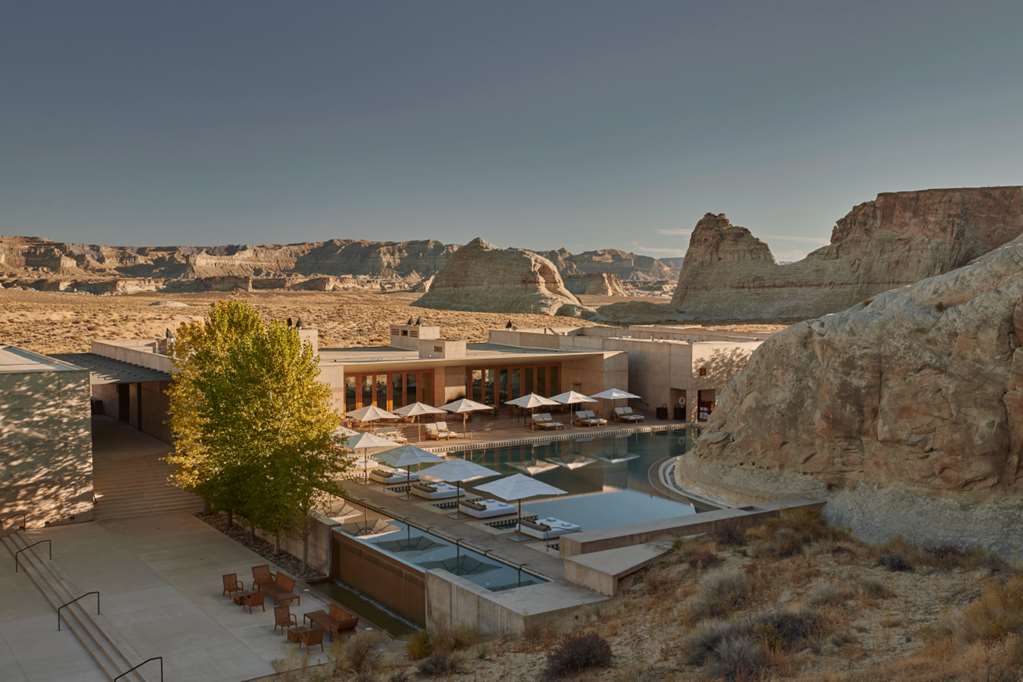
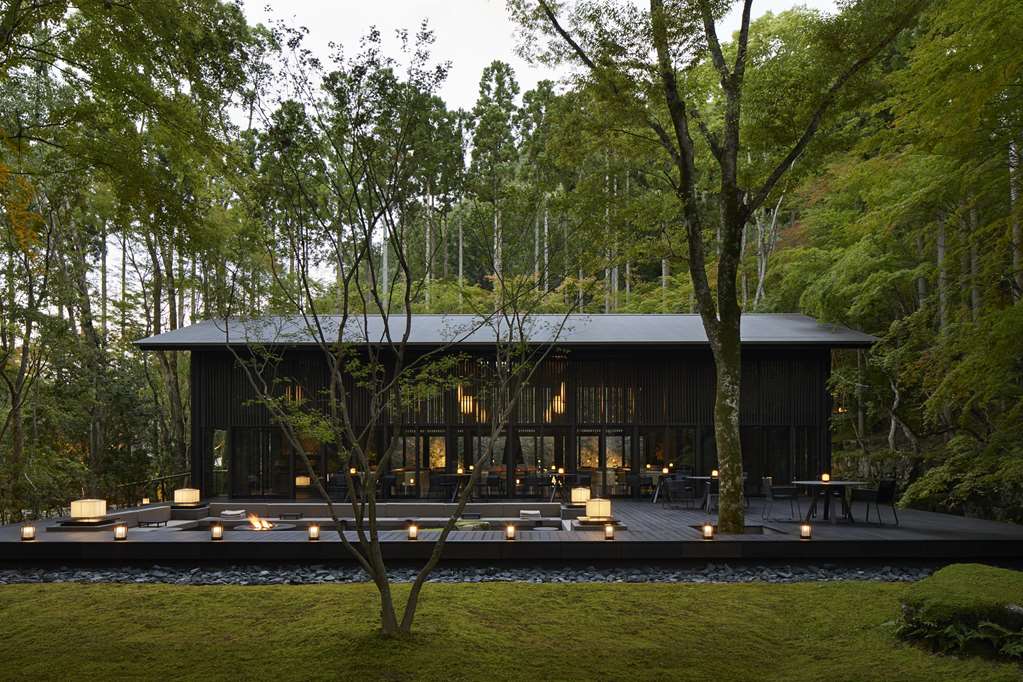
The short answer: "five-star" is a rating, "ultra-luxury" is a market segment — and there is no sixth star behind it. No classification system on earth awards more than five, so the term describes a commercial tier the industry recognises rather than a grade anyone issues. What separates the two is not that ultra-luxury does the same things better; it is that the operating model is built differently. Fewer rooms on more land, far more staff per room, and rates that run two to three times a conventional luxury hotel's — industry analyses commonly place pure-play luxury average daily rates around US$350 to 500, and ultra-luxury between US$700 and US$3,000-plus. Amangiri runs 34 suites and a four-bedroom home in the Utah desert with published staffing around 240 people; Aman Kyoto spreads 26 rooms, suites and pavilions across roughly 80 acres of moss garden. The deeper distinction is one of intent: a luxury hotel is built to deliver excellence consistently, within a standardised framework, while an ultra-luxury property removes the standardisation and builds around the individual guest. That difference cuts both ways, and for a lot of trips the 5-star is the better buy. This guide covers what the labels actually mean, the operating numbers behind them, what changes in the service model, and when to choose which. It builds on whether all 5-star hotels share the same standards and what makes a hotel truly 5-star.
Browse 5-Star and Ultra-Luxury Hotels on WhataHotel
"Ultra-Luxury" Is Not a Rating — Nobody Awards It
Start with what the words are. Five stars is the top of every official classification, whether that is a government licence in Dubai, a regional grid in Italy, or the Hotelstars Union catalogue across 21 European countries — and once a hotel clears that threshold there is no further distinction available to it. A handful of systems added a band above, precisely because the top of the scale had become crowded: France reserves the official Palace distinction for 33 hotels in 2026, and Italy has a separate 5-star L (lusso) designation. Inspection bodies do the ranking that classifications cannot — Forbes Travel Guide's 2026 Star Awards recognise 2,422 properties across more than 100 countries, of which only 343 are Five-Star hotels — but even that is a quality verdict, not a segment label. "Ultra-luxury," by contrast, is industry vocabulary for a recognisable group of operators: Aman, Singita, Cheval Blanc, Six Senses, Bulgari, Rosewood, Belmond, One&Only, and a long tail of independents. Nobody issues it, nobody polices it, and a hotel can start using the phrase on a Tuesday. Which means the term is only useful if you know what it actually describes operationally — so here are the numbers.
The Operating Numbers: Keys, Staff and Rate
Three measurements separate the segments more reliably than any adjective. Key count against land. Ultra-luxury properties run significantly fewer rooms on comparable footprints, buying space per guest instead of capacity — Aman Kyoto's 26 rooms, suites and pavilions sit on roughly 80 acres of forested garden, a density a conventional resort would consider a planning error. Staff per room. This is the number that produces everything guests actually notice. Ultra-luxury operations commonly run staff-to-guest ratios approaching or exceeding one to one, and at the most exceptional properties around three staff members per guest room; Amangiri's published figures — roughly 240 staff for 34 suites — sit far beyond even that. Conventional luxury hotels run well below it, which is not a criticism but a different business: they are staffed to deliver a defined standard reliably, not to absorb unpredictable individual requests. Rate. The premium is not marginal. Ultra-luxury commonly achieves two to three times the average daily rate of luxury comparables, with reported segment ranges of roughly US$350 to 500 for pure-play luxury against US$700 to US$3,000-plus at the top. One more, often decisive: most ultra-luxury companies run no loyalty programme at all — Aman, Rosewood and Four Seasons award no points — so there is nothing to earn, no tier to hold, and recognition arrives through guest history or your booking channel instead.
Not More, But Different: What Changes in the Service Model
The tempting assumption is that ultra-luxury is a 5-star hotel with better linen. It is not; the model inverts. Standardisation is the luxury segment's strength — a great brand guarantees that the room in Rome and the room in Kyoto both clear a demanding floor, which is exactly what most travellers want and what makes a booking safe. Ultra-luxury deliberately removes that floor and builds around the individual instead: the schedule is yours, the dining is where and when you want it rather than when the restaurant opens, and the staffing ratio exists so that requests nobody anticipated can be absorbed without a negotiation. Anticipation replaces response. At a strong 5-star, you ask and it happens quickly and well. At the ultra-luxury end, the intent is that the team knows enough — from the pre-arrival conversation, from the guest history, from watching — that fewer things need asking for at all. Architecture is the product, not the backdrop: these properties are usually built once, for one site, by one architect, and cannot be replicated in another city, which is why they photograph as landscape rather than interiors. And privacy is a design brief rather than an amenity — separate arrival courts, no lobby to cross, villas that do not overlook each other. What you give up is the thing the luxury brands are best at: predictability, scale, a city-centre address, and a second restaurant when the first one is closed.
Where They Overlap — and When the 5-Star Is the Better Buy
The segments are not a ladder, and the honest advice is that the conventional luxury hotel wins more often than the price gap suggests. Choose the 5-star when position matters — ultra-luxury is overwhelmingly a resort and countryside proposition, and in cities the grand hotels hold the addresses: The St. Regis Venice on the Grand Canal, Bulgari Hotel Roma facing the Mausoleum of Augustus, Park Hyatt Sydney on the harbour. Choose the 5-star for short stays, where an ultra-luxury property's slower, more personal rhythm never gets the time to pay off. Choose it when you want the facilities — several restaurants, a full spa, a kids' club, a bar with a city in it — because a 34-key desert property does not have a second option for anything. Choose it for predictability, for business travel, and when someone else is deciding. Go ultra-luxury for a long stay in a remarkable landscape, for a milestone where the property is the point, for genuine privacy, or when what you are buying is time and space rather than service volume. And note the overlap: the best 5-star hotels operate at the ultra-luxury end of their own segment — Belmond Grand Hotel Timeo's Michelin-starred terrace, The Ritz-Carlton Kyoto's roughly 45-square-metre entry rooms, Six Senses Fiji's villa inventory — while some properties calling themselves ultra-luxury are ordinary hotels with an expensive font. The label is not the evidence. The key count, the staffing and the last renovation are.
How to Book Either Tier Well — and Where WhataHotel! Fits
Both segments book the same way, and it is not the way most people do it. Because ultra-luxury companies largely sit outside the points economy, and because the very best conventional 5-stars ration their upgrades tightly, the channel is what determines what you actually receive. The brands' invitation-only preferred-partner programmes — Marriott STARS, Belmond Bellini Club, Hyatt Privé, Rosewood Elite, Four Seasons Preferred Partner, Mandarin Oriental Fan Club, IHG Destined — reach across both tiers, and at the ultra-luxury end they are frequently the only recognition mechanism that exists, since there is no status to hold. What attaches, at the hotel's own flexible rate and the same price as booking direct: daily breakfast for two, a US$100-plus property or spa credit, upgrade priority, early check-in and late checkout where available, and VIP recognition — typically US$400 to 700 across three nights, with no minimum stay. Booked through WhataHotel! — operated by Lorraine Travel, a luxury advisory since 1948 — you also get the judgement the labels cannot supply: whether a given property is genuinely operating at the top of its band, and whether the ultra-luxury premium buys you anything on the specific trip you are planning. Sometimes it emphatically does. Often the right answer is the great 5-star in the right place.