What Makes a Hotel Truly 5-Star? A Guest's Guide to Luxury
A truly 5-star hotel is defined by three things working together: a verified physical product (generous rooms, marble-and-natural-material finishes, multiple serious restaurants, a genuine spa and pool programme), a service culture with enough staff to anticipate rather than react (the best properties run close to three staff members per guest room, with 24-hour room service, concierge, and turndown as a baseline), and independent recognition from bodies that actually inspect — Forbes Travel Guide, AAA's Diamond programme, and Europe's Hotelstars Union — rather than a star count the hotel simply awarded itself. The complication is that "5-star" is not a protected term in most of the world, including the United States: booking sites display self-reported stars, and no global authority polices them. This guide explains what the real standards are, who verifies them, and the shortcuts a guest can use to separate a genuine 5-star stay from an aspirational one — including the quiet signal used inside the travel industry itself: whether the world's luxury brands have admitted a property into their invitation-only preferred-partner programmes. For working examples, see our guides to the best luxury hotels in Italy and the world's most iconic hotel views.
Browse Verified 5-Star Hotels on WhataHotel
Who Actually Awards 5 Stars — and Who Doesn't
The first thing to understand is that there is no single worldwide 5-star authority. Star ratings are a patchwork, and knowing which patch you are looking at changes how much the stars mean. Independent inspection bodies are the gold standard: Forbes Travel Guide (the former Mobil guide) sends anonymous inspectors who test up to 900 objective standards across a stay and awards its Five-Star rating to only a few hundred hotels worldwide each year; AAA's Five Diamond programme does similar work in North America. Official national schemes come next: the Hotelstars Union harmonises criteria across much of Europe with a published 240-point catalogue, while countries such as France, Italy, Spain, and the UAE run government or tourism-board classifications with legal weight — in those markets, the stars on the door mean something specific and auditable.
Then there is everything else. In the United States and much of the world, any hotel can call itself 5-star. The stars on booking platforms are largely self-declared or algorithmically assigned, which is why a 200-room airport property and Claridge's can both show the same five icons. Guest-review scores measure satisfaction against expectations, not luxury standards — a well-run budget hotel can outscore a palace. The practical rule: treat OTA stars as decoration, treat Forbes, AAA, and official national classifications as evidence, and treat the specifics of the physical product and staffing — covered next — as the truth.
The Physical Product: What a Real 5-Star Hotel Must Have
Genuine 5-star properties share a recognisable hard product, and most of it is measurable before you ever check in. Space is the first tell: real luxury hotels start their entry-level rooms around 40 to 45 square metres (430 to 485 square feet) in cities and larger at resorts — The Ritz-Carlton, Kyoto opened with the largest entry-level rooms in its city at roughly 45 square metres, and that figure is typical of the class. Materials and maintenance come second: stone or marble bathrooms, double vanities, separate tubs and walk-in showers, quality linens (frette-grade cotton, genuine down), and — critically — no visible wear. Food and beverage depth is third: a true 5-star operates multiple serious venues, not one all-day dining room; the strongest run Michelin-recognised restaurants, as with the starred Caruso's at Rosewood Miramar Beach or Tasca by José Avillez at Mandarin Oriental Jumeira, Dubai. Wellness is fourth: a staffed spa with proper treatment rooms and thermal facilities, a real pool, and 24-hour fitness. And arrival infrastructure rounds it out — doormen, valet, a staffed concierge desk, and luggage that moves without you touching it.
The Service Layer: Where 5-Star Is Actually Won or Lost
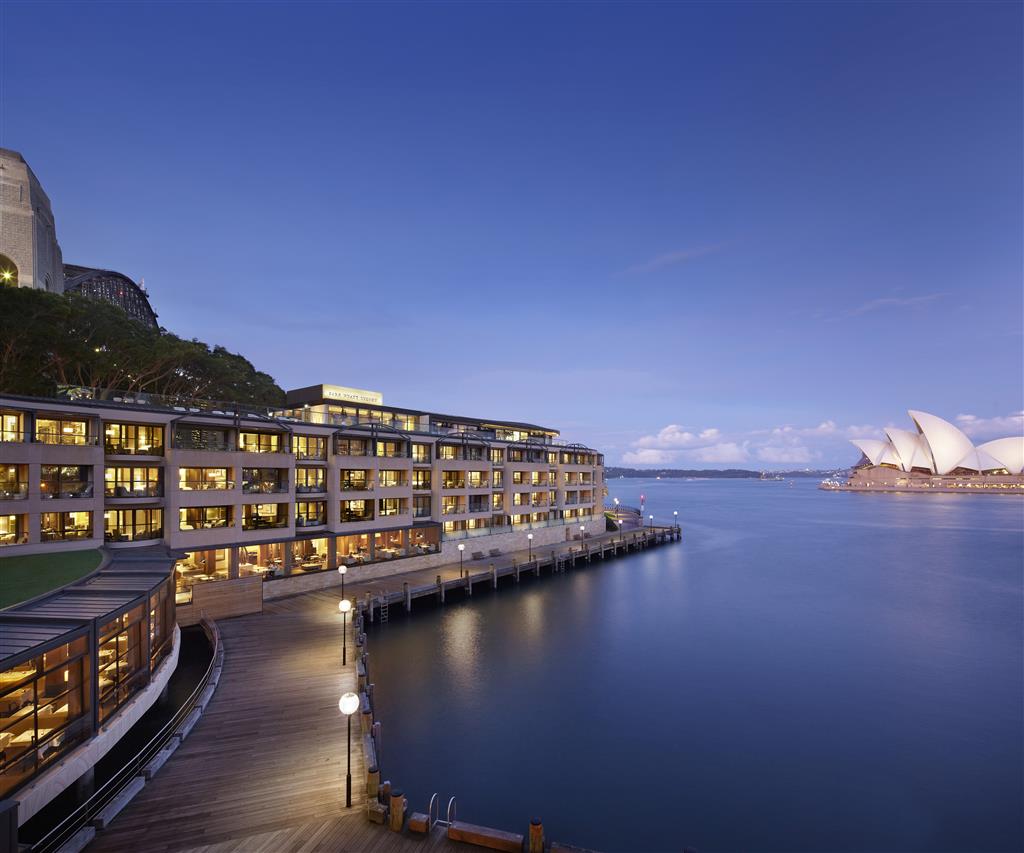
Hardware qualifies a hotel; service defines it. The operational signature of a true 5-star is staffing density — leading properties run between one-and-a-half and three staff per occupied room (Auberge-class resorts advertise four to five per guest), because anticipatory service is arithmetically impossible without bodies. What that buys you is concrete: 24-hour everything (room service, housekeeping response, engineering, concierge), twice-daily housekeeping with evening turndown, recognition (staff using your name by day two, preferences remembered from note one), and recovery — when something goes wrong, a 5-star fixes it before you escalate, and follows up unprompted. Certain brands formalise the layer further: St. Regis and Park Hyatt Sydney attach butler service to every room category, and Forbes inspectors specifically score emotional intelligence — whether staff read the guest, not the script. If a hotel's stars are real, you will feel this layer within your first hour; if they are marketing, the front desk queue will tell you just as quickly.
The Fast Checks: Separating True 5-Star from Self-Rated
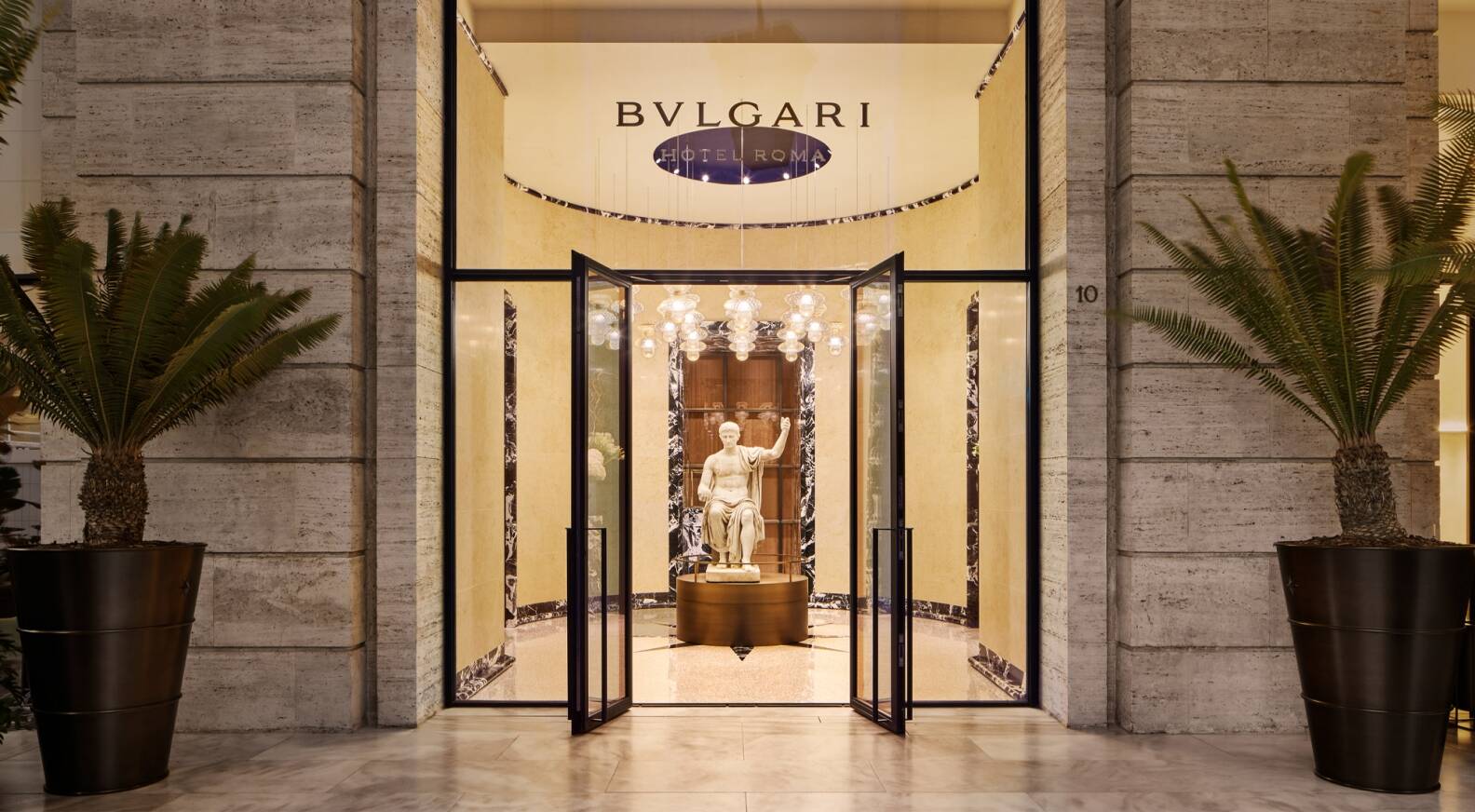
Before booking, five checks take ten minutes. One: look the property up on Forbes Travel Guide's published star list and, in North America, AAA's Diamond list — inspection-based ratings can't be bought onto a booking page. Two: read the entry-level room's square footage on the hotel's own site; under roughly 35 square metres in a city (or vague "cozy" language) is a warning. Three: count the restaurants and check whether any hold external recognition — Michelin stars, serious chef partnerships such as Niko Romito at Bulgari or the Michelin-starred Otto Geleng at Belmond Grand Hotel Timeo. Four: scan recent guest reviews for service-speed complaints (slow room service and unanswered phones are staffing-ratio failures, and staffing is the one thing a fake 5-star always cuts). Five — the industry's own filter: check whether the property is bookable under a brand preferred-partner programme (Marriott STARS, Belmond Bellini Club, Hyatt Privé, Rosewood Elite, Four Seasons Preferred Partner, Mandarin Oriental Fan Club). These invitation-only programmes exist solely at the genuine top tier — brands do not extend advisor benefit packages to properties that would embarrass them, which makes the programme list a de facto verified-luxury registry.
What This Means When You Book — and How WhataHotel! Fits
The practical conclusion for guests: a real 5-star stay is identifiable before arrival — independent recognition, published space, culinary depth, staffing density, and preferred-partner status stack into a picture no self-awarded star count can fake. It is also, counter-intuitively, the tier where expert booking costs nothing extra. Every property on WhataHotel! sits inside the brand programmes above, curated by Lorraine Travel — a luxury advisory in business since 1948 — which functions as a second layer of verification: if a hotel is on the platform, it has already passed both the brand's own admission bar and nearly eight decades of advisor scrutiny. Booking through the programmes adds the benefits the hotels reserve for their best channel — daily breakfast for two, a US$100-plus property or spa credit per stay, priority upgrades, early check-in and late checkout, and VIP recognition — at the same flexible rate as booking the hotel's own website directly, with no minimum stay. In other words: the same verified 5-star room, with the 5-star treatment contractually attached.