Aman Kyoto is the most architecturally distinctive contemporary luxury hotel in Kyoto — and the property where the Aman brand's specific approach to contemplative minimalist luxury has been most carefully calibrated for the Japanese cultural and natural context. Opened in November 2019 on a secluded 80-acre forested site at the foot of Mount Daimonji in the northern Kyoto hills (adjacent to the Kinkaku-ji Golden Pavilion and within the substantial cultural landscape of northern Kyoto), the resort occupies a dedicated private garden that was originally assembled by a textile obi merchant who intended to build a kimono-fabric museum. The 24 rooms, suites, and pavilion configurations, the celebrated Living Pavilion and the Taka restaurant programmes, the dedicated Aman Spa with the substantial onsen-tradition wellness programming, and the Aman operational standard together produce a Kyoto luxury experience that the alternative Kyoto luxury properties cannot match. For broader context, see our Best Luxury Hotels in Japan guide and the Aman Resorts chain guide.
The Setting: The Northern Kyoto Hills and the Secluded Garden
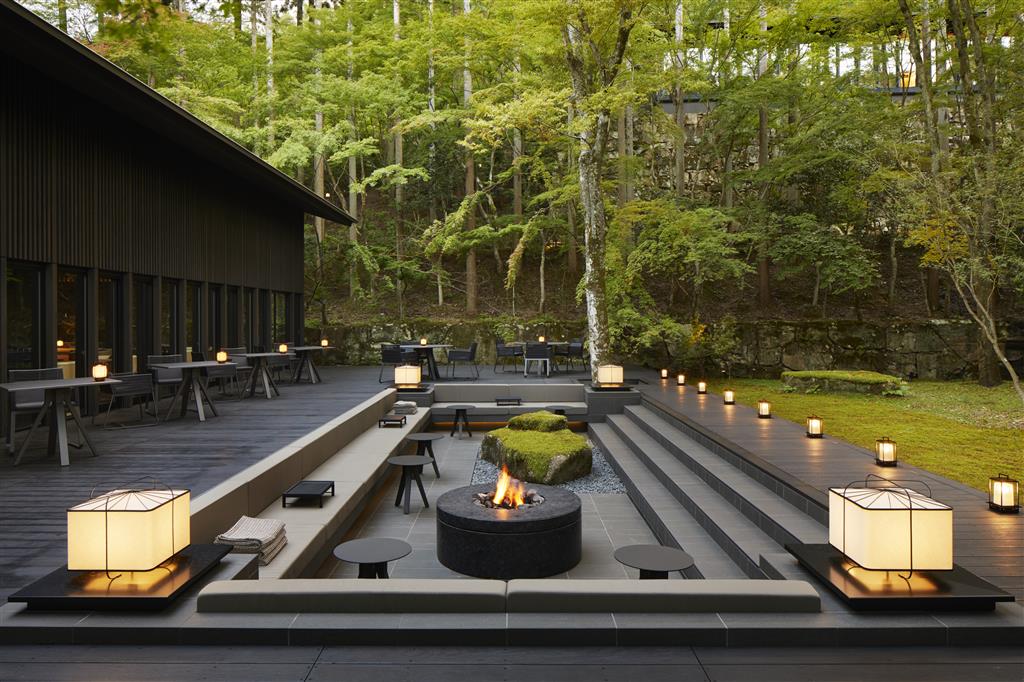
Aman Kyoto occupies a secluded 80-acre forested site at the foot of Mount Daimonji in the northern Kyoto hills — among the most distinctive single hotel positions in Japan. The position produces several specific advantages over the alternative Kyoto luxury accommodations. First, the secluded forest setting: the 80-acre forested site (the substantial moss gardens, the dedicated forest landscape, the substantive satoyama-tradition Japanese landscape) produces the absolute privacy and the contemplative natural immersion that the Aman brand identity specifically values — meaningfully different from the more central downtown Kyoto luxury alternatives (the Ritz-Carlton Kyoto on the Kamogawa river, the Four Seasons Hotel Kyoto in the Higashiyama district, the Park Hyatt Kyoto adjacent to Yasaka Pagoda). Second, the cultural-landscape position: the property is adjacent to the substantial northern Kyoto cultural landscape — the Kinkaku-ji Golden Pavilion (the iconic Zen Buddhist temple) is in the immediate vicinity, and the broader northern Kyoto temple-and-shrine circuit (the substantial Daitoku-ji temple complex, the dedicated northern Kyoto cultural programming) surrounds the property. Third, the garden heritage: the 80-acre site was originally assembled across decades by a textile obi merchant who intended to build a kimono-fabric museum — the dedicated garden, the substantial moss landscape, and the substantive forest paths were developed across this period, producing a uniquely mature private garden that the Aman development integrated rather than created.
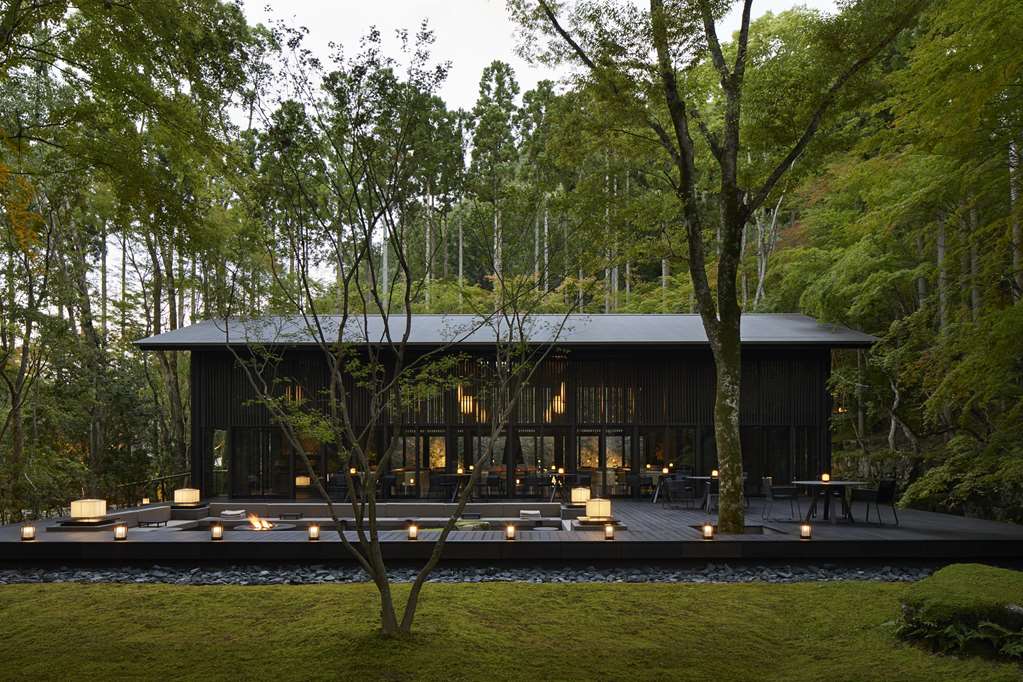
The architectural philosophy was developed by the celebrated Australian architect Kerry Hill (the architect responsible for the substantial Aman architectural identity across multiple properties, in his final completed commission before his death in 2018). The materials palette emphasises the substantial natural-material vocabulary (the dedicated dark timber, the substantial local stone, the dedicated washi-paper and natural-textile detailing) integrated with the contemporary Aman minimalist luxury vocabulary and the deep deference to the Japanese architectural-and-landscape tradition. The result is the most architecturally integrated contemporary luxury hotel in the Kyoto market — the contemplative minimalist identity that the Aman brand specifically refined, calibrated to the substantial northern Kyoto forest setting.
The Accommodation Categories: 24 Across Multiple Tiers
Aman Kyoto operates 24 rooms, suites, and the dedicated pavilion configurations across the property's secluded forest site — the deliberately tiny inventory that produces among the highest guest-to-staff ratios in the Kyoto luxury market and supports the absolute privacy that the Aman identity requires. The accommodations are organized across the dedicated low-rise pavilion buildings integrated into the forest landscape, with the room categories reflecting both the pavilion position and the substantial forest-and-garden orientation.
Room (the entry-level accommodation)
The entry-level Rooms — at 56 sq m, with the dedicated Kerry Hill minimalist palette and the substantial forest-and-garden orientation — are the property's standard accommodation, and they meaningfully exceed the typical Kyoto luxury hotel room standard. The configuration includes the substantial natural-material bathroom with the dedicated Aman amenities programme, the king bed with the substantial linen specification, the dedicated forest-facing window orientation, and the carefully calibrated contemplative minimalist palette. Every accommodation at Aman Kyoto is a substantial room or suite — the tiny 24-key inventory means even the entry-level accommodation delivers the substantial scale and the absolute forest privacy.
Suite configurations (the upgraded accommodations)
The Suite categories add separate living areas with the substantial forest-and-garden orientation. The Aman Kyoto suites feature the dedicated larger footprint, the substantial forest views, and the contemplative minimalist living configuration — the most-requested categories for guests booking through the WhataHotel! preferred partner channel.
Kyoto Suite and the Pavilion configurations (the flagship accommodations)
The Kyoto Suite is the property's signature flagship single accommodation — the substantial living and dining areas, the dedicated private onsen-tradition bath, the dedicated forest-facing terrace, and the dedicated personalised service. The dedicated standalone Pavilion configurations produce the most substantive private programming at the property. The flagship configurations have hosted the substantial international cultural-and-celebrity programming that the property's specific contemplative-luxury identity has supported across its operational history.
The Restaurant Programme: The Living Pavilion, Taka, and the Japanese Culinary Tradition
The Living Pavilion by Aman is the resort's principal all-day dining destination — the substantial contemporary Japanese-and-international menu with the dedicated forest-facing position, the substantial breakfast configuration (the elaborate Japanese-international breakfast configuration), and the substantive lunch-and-dinner programming drawing on both the regional Kyoto culinary tradition and the contemporary international canon. The Living Pavilion's substantial architectural envelope with the forest orientation produces one of the most architecturally distinctive single dining venues in the Kyoto luxury market.
Taka by Aman is the dedicated Japanese fine dining destination — the substantial kaiseki-tradition multi-course Japanese fine dining drawing on the regional Kyoto culinary canon (the substantive Kyoto kaiseki tradition, the dedicated seasonal Japanese ingredient programmes, the substantial regional Kyoto and broader Japanese culinary identity). The kaiseki tradition is among the most carefully refined culinary traditions in Japan — Kyoto specifically is the historic centre of the kaiseki culinary identity — and Taka's specific approach produces among the most distinctive single fine dining experiences in the Kyoto luxury hotel market. The dedicated bar programming produces the substantive Japanese whisky-and-sake programming alongside the substantial contemporary cocktail programmes.
The Aman Spa and the Onsen-Tradition Wellness Programme
The Aman Spa at Kyoto is the property's most operationally substantive wellness amenity — a dedicated wellness facility integrated into the forest landscape, with multiple treatment rooms, the dedicated couples' suite, and the substantial onsen-tradition bathing configuration drawing on the natural hot-spring water that the northern Kyoto site supports. The dedicated onsen bathing programme is among the most distinctive single wellness amenities at the property — the substantial Japanese hot-spring bathing tradition (the dedicated indoor-and-outdoor onsen configuration, the substantial natural hot-spring water drawing on the regional geothermal source) integrated with the contemporary Aman wellness vocabulary. The signature treatments draw on both the Japanese wellness tradition (the substantive Japanese botanical aromatherapy programme, the dedicated Japanese massage-and-bodywork programmes) and the contemporary international Aman wellness standards. The dedicated forest-bathing (shinrin-yoku) programming, the substantial yoga-and-meditation programming, and the dedicated fitness facility complete the operational programme — the forest-bathing programme specifically draws on the substantial 80-acre forest setting.
Position in the Kyoto Luxury Market
Kyoto's luxury hotel market has developed substantially across the 2014-2025 period: the Ritz-Carlton Kyoto (the contemporary luxury on the Kamogawa river), the Four Seasons Hotel Kyoto (the contemporary luxury in the Higashiyama district with the heritage Shakusui-en pond garden), the Park Hyatt Kyoto (the contemporary luxury adjacent to the Yasaka Pagoda in Higashiyama), the Hyatt Regency Kyoto, the substantial dedicated machiya (traditional townhouse) luxury programming, and the broader Kyoto luxury programming. Aman Kyoto's specific position among these is the combination: the only Kyoto luxury hotel within an 80-acre secluded private forest garden, the contemplative minimalist Aman identity (meaningfully different from the more central downtown Kyoto luxury alternatives), the Kerry Hill architectural identity (his final completed commission), the kaiseki-tradition Taka fine dining, the onsen-tradition Aman Spa with the natural hot-spring water, and the deeply private contemplative luxury programming. For the traveler whose Kyoto motivation includes the maximum contemplative natural immersion at the substantial forest-garden setting, Aman Kyoto is the strongest single recommendation.
The Aman Booking Through WhataHotel!
Aman Kyoto books through WhataHotel!'s preferred partner relationship with the Aman group. The benefits at this property include daily breakfast for two at The Living Pavilion or in-room (the elaborate Japanese-international breakfast configuration), $100 USD hotel credit per stay (typically applied at Taka, The Living Pavilion, the Aman Spa, or the bar programming), upgrade priority at check-in (the Room to Suite upgrade is the primary value lever), early check-in and late checkout on priority basis, and a personalised welcome amenity. The preferred partner rate matches the rate on aman.com directly. The benefits arrive at zero additional cost.
The Aman group's contemplative-luxury operational standard — the substantial personalised service ratio (the tiny 24-key inventory supports among the highest service ratios in Kyoto), the dedicated cultural programming (the substantial northern Kyoto temple-and-shrine experiences, the dedicated forest-bathing programming, the substantive seasonal cultural-experience programming), and the substantive concierge support for the broader Kyoto cultural circuit — produces a meaningfully distinctive luxury experience. For the considered Kyoto booking, Aman Kyoto's combination of contemplative natural immersion and the Aman operational standard rewards the substantial-investment stay.
When to Visit
Kyoto's seasonal pattern produces meaningful variation across the calendar, and the substantial forest setting at Aman Kyoto specifically rewards the seasonal awareness. The two peak rate seasons are the spring cherry-blossom window (late March through mid-April — the substantial Kyoto cherry-blossom programming is among the most internationally celebrated seasonal moments in Japan, and the forest setting produces a substantial spring blossom-and-greenery experience) and the autumn foliage window (mid-November through early December — the substantial Kyoto autumn-foliage programming, the dedicated momiji maple-foliage season, and the forest setting produces among the most photographically distinctive autumn experiences in the Kyoto luxury market). These windows produce the highest demand and rates.
The summer months (June through August) feature warmer-and-more-humid weather with the substantial summer cultural programming (the dedicated Gion Matsuri festival in July — among the most significant Japanese cultural festivals). The winter months (December through February) deliver the substantial peaceful Kyoto experience with the dedicated winter programming (the occasional snow produces a substantial forest-and-temple winter landscape) and the strongest preferred partner availability. The early-summer green-season window (late April through May) and the early-autumn window (September through October) deliver the strongest combination of pleasant weather and meaningfully better availability than the cherry-blossom and autumn-foliage peaks.