The Real Cost of Staying at a 5-Star Hotel: A Full Breakdown
The room is usually only about 55 to 65 percent of what you actually spend at a luxury hotel — so a realistic rule of thumb is to budget roughly 1.6 times the room rate for a city stay and 1.7 to 1.8 times at a resort. The gap is not made of hidden charges; it is made of perfectly ordinary lines that nobody adds up in advance: the tax layer, which in major destinations runs from roughly 14 percent in New York to more than 18 percent in Hawaiʻi and around 22 percent of the room rate in Dubai; breakfast at US$40 to 90 per person per day; the meals and drinks you take on property because you are on holiday; one or two spa treatments at US$150 to 300 each; transfers; and tips. This guide does the arithmetic properly. It lists every line that appears on a luxury folio, then works two complete examples — three nights for two people in a New York hotel and five nights for two at a Hawaiʻi resort — showing the running total and what share of it the room actually represents. Then it identifies which lines move the total most, and how to cut several thousand dollars without downgrading the hotel. It builds on the hidden costs at 5-star hotels and what's included versus what costs extra.
See the Real Total Before You Book
The Nine Lines on a Luxury Hotel Bill
Every folio is built from the same components, and knowing the list is most of the battle. One: the room rate, the only number the booking page emphasises. Two: mandatory fees — resort or destination fees where they exist, which in the United States have had to appear in the upfront total price since the FTC's fee rule took effect on 12 May 2025. Three: taxes, which are the largest single addition and vary enormously by city. Four: breakfast, typically US$40 to 90 per person per day when it is not included — the biggest recurring controllable cost of the stay. Five: other dining, meaning the lunches, dinners and coffees you take on property rather than out. Six: drinks, which at this tier escalate faster than food. Seven: in-room dining, where the menu price is joined by a service charge of roughly 10 to 20 percent plus a tray or delivery fee. Eight: spa, activities and facilities — a 60-minute massage at a luxury hotel spa commonly runs US$150 to 300 and more in major cities. Nine: transfers, parking and tips. Only the first line is advertised. The other eight are where the difference between the quoted rate and the final total lives, and none of them is unpredictable if you cost them in advance.
Worked Example One: Three Nights in New York, Two People
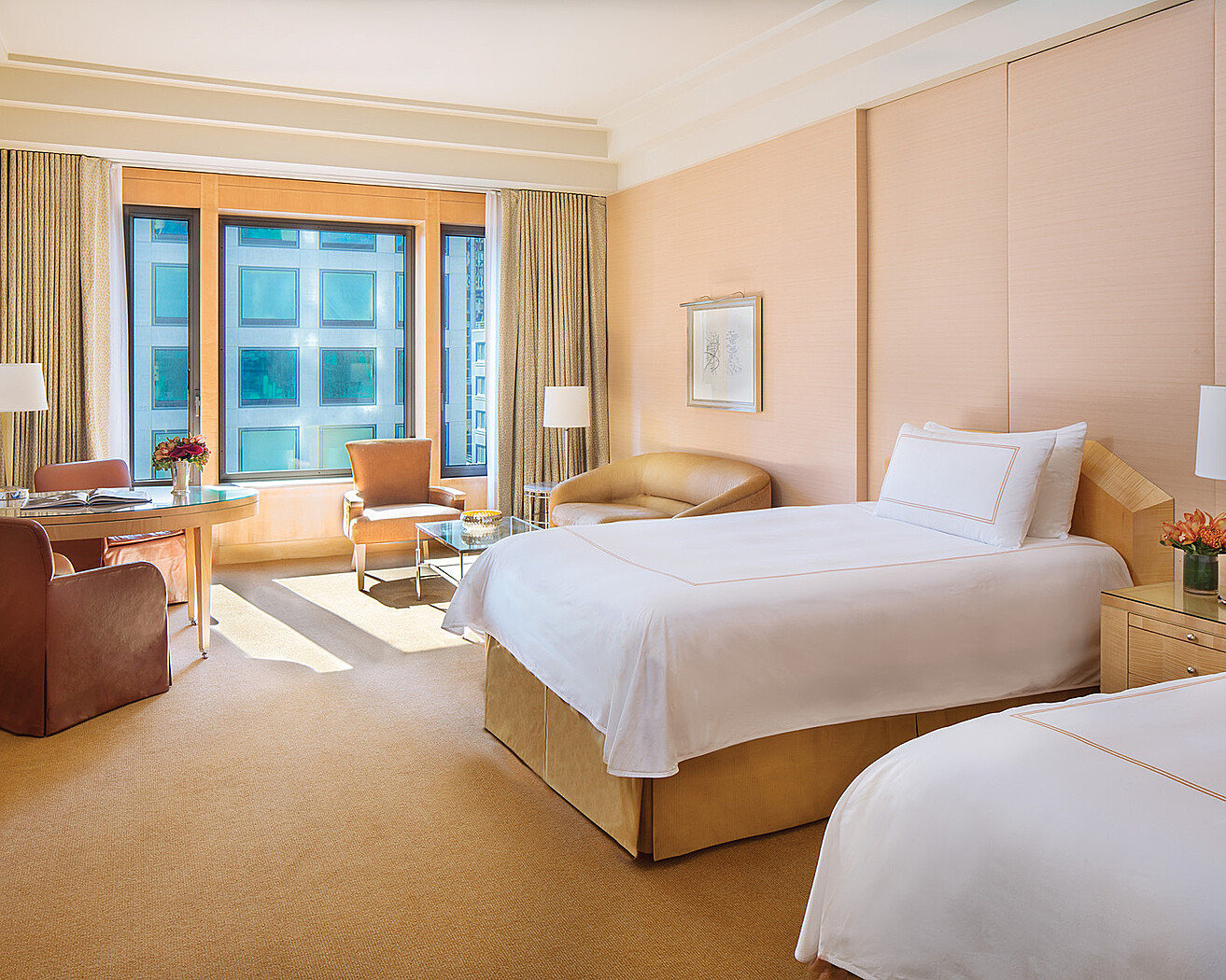
Assume a Manhattan luxury room at US$900 a night — a realistic mid-range figure outside peak weeks — for three nights. Room: US$2,700. Taxes: New York City applies combined state and city sales taxes of 8.875 percent plus a city hotel occupancy tax of 5.875 percent, roughly 14.75 percent, plus per-night fees of US$2 city and US$1.50 state — about US$409 on this booking. Breakfast: two people at around US$60 each for three mornings, US$360. Dining on property: one dinner in the hotel restaurant for two at about US$300, plus a couple of visits to the bar at around US$120, so US$420. In-room dining: one order with service charge and tray fee, about US$120. Transfers: a car to and from the airport, roughly US$200. Tips: housekeeping at US$10 a night plus porters and the door, about US$55. Incidentals such as laundry and the minibar, say US$80. Running total: about US$4,344 — with the room at roughly 62 percent of it. Note what is not in this list: every meal eaten outside the hotel, which in New York is most of them. Add those and the room's share falls further.
Worked Example Two: Five Nights at a Hawaiʻi Resort, Two People
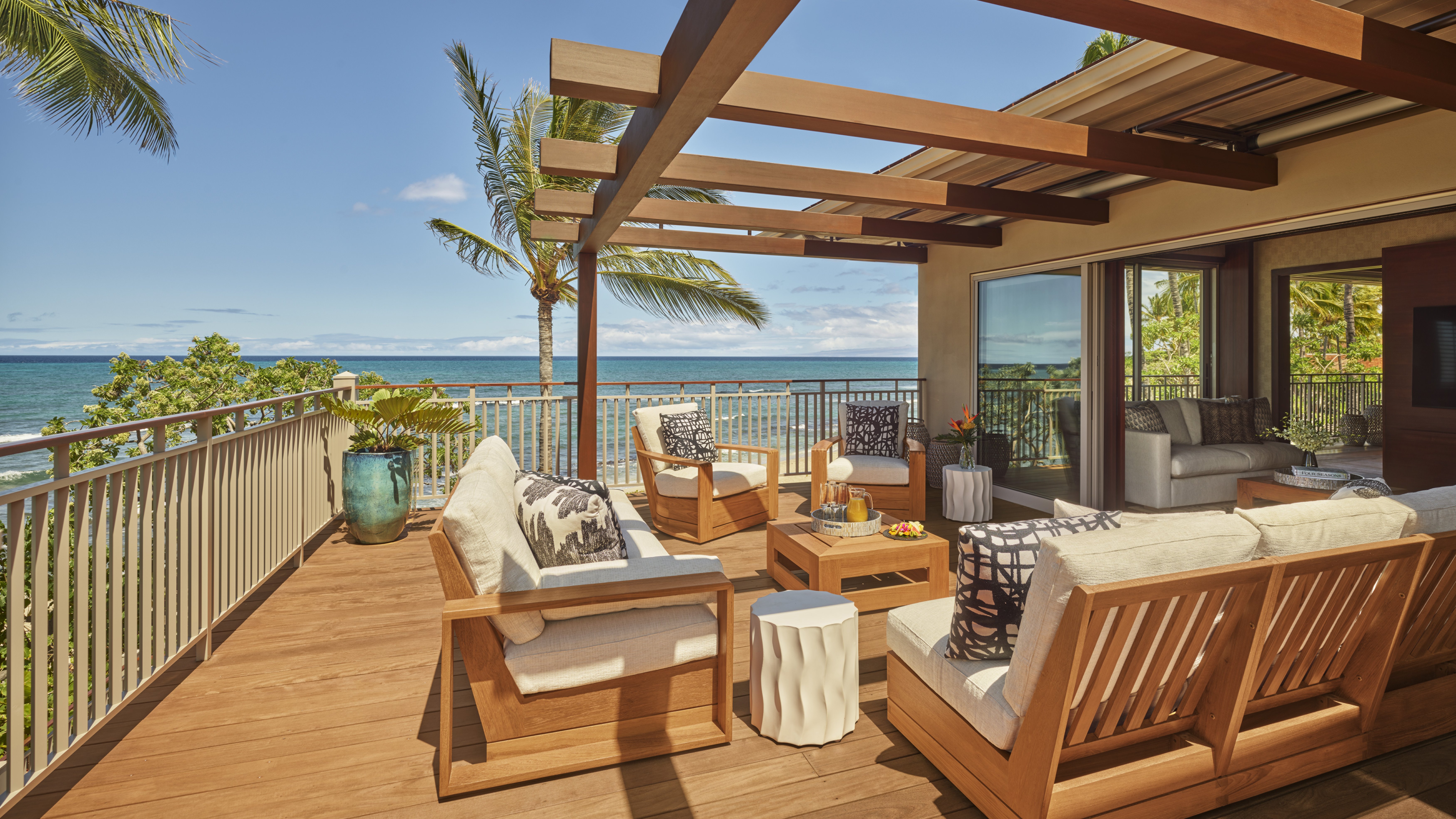
Resorts shift the arithmetic, because you eat, drink and spend where you sleep. Assume US$1,200 a night for five nights. Room: US$6,000. Taxes: Hawaiʻi's state transient accommodations tax rose to 11 percent on 1 January 2026 — the 0.75-point increase known as the "green fee" — on top of a 3 percent county transient accommodations tax and general excise tax of roughly 4.7 percent, taking the total layer above 18 percent, or about US$1,120. Resort fee: at US$50 a night, US$250 plus tax. Breakfast: two people at about US$55 each for five mornings, US$550. Lunches by the pool at roughly US$80 a day, US$400. Dinners: three on property at about US$250 each, US$750. Drinks across five days, US$300. Spa: two 60-minute treatments at around US$270, US$540. Activities — snorkelling, a lesson, an excursion — US$300. Transfers from the airport, US$150. Tips, about US$100. Running total: roughly US$10,460, with the room at about 57 percent. The pattern is consistent: the longer the stay and the more self-contained the property, the smaller the room's share and the larger everything else becomes.
What Moves the Total Most — and What Barely Matters
Four lines do nearly all the work. Taxes and mandatory fees are the largest addition and the only one you cannot influence at all except by choosing a different destination: compare roughly 14.75 percent in New York with more than 18 percent in Hawaiʻi, or Dubai's stack of a 10 percent service charge, 7 percent municipality fee, 5 percent VAT and a per-night Tourism Dirham. In Europe the mechanism is different — Rome charges €10 per person per night at five-star hotels for up to ten nights, Venice €5 — small per night, but it compounds for a family. Food and drink is the biggest controllable block and scales with both people and nights: in the resort example above it came to US$2,000, a third of the room cost. Breakfast alone was US$360 and US$550 in the two examples, which is why a rate that includes it is frequently cheaper in total than a lower rate that does not. Spa and activities can add a four-figure sum at a resort and almost nothing in a city. What barely matters: wi-fi, which is included at this tier; the minibar water; a single tip; and the small change people agonise over. The practical test is to price the trip as room plus tax plus roughly US$150 to 250 per person per day of on-property spending, and see whether the number still feels right.
Cutting the Real Cost Without Downgrading — and Where WhataHotel! Fits
Because the additions are predictable, they can be reduced deliberately. Shift the season, which moves the room rate and therefore the tax on it. Choose the destination with the lighter tax layer if two places are otherwise equal. Take breakfast as an inclusion rather than a purchase. Eat one or two meals off property at a resort, and most of them in a city. And book through a channel that attaches value to the same rate. That is the structural saving. Through WhataHotel! — operated by Lorraine Travel, a luxury advisory since 1948 — every property books at the hotel's own flexible rate through the brands' invitation-only preferred-partner programmes — Marriott STARS, Belmond Bellini Club, Hyatt Privé, Rosewood Elite, Four Seasons Preferred Partner, Mandarin Oriental Fan Club, IHG Destined — with daily breakfast for two, a US$100-plus property or spa credit, upgrade priority, early check-in and late checkout where available, and VIP recognition, at no minimum stay. Apply that to the examples above: breakfast alone removes US$360 from the New York total and US$550 from the resort, and the credit takes out another US$100 — roughly 11 percent of the New York trip and 6 percent of the Hawaiʻi trip, for the same price you would pay the hotel directly. The room is the smaller half of what a 5-star stay costs. It is worth knowing the other half before you book it.