Are 5-Star Hotel Spas and Wellness Centers Worth It?
A 5-star hotel spa is worth it when you buy the facility and the time, and it is rarely worth it when you buy a single treatment off the rate card and leave. The treatment is the most expensive and least distinctive thing a luxury spa sells — 60-minute massages at resort and luxury hotel spas commonly run around US$200 to US$300, and couples' treatments US$350 to US$600, for work a good therapist at home may do just as well for a fraction of it. What you cannot buy at home is the rest of it: a 20-metre mosaic pool under marble columns, a hot-and-cold thermal circuit, a hammam, a hot-spring bath fed from the ground beneath the hotel, and several unhurried hours. The real question is not "is this massage worth $280?" but "am I going to use the building it sits inside?" This guide covers what a genuine 5-star spa contains, when the spend pays off and when it doesn't, how wellness-led properties change the calculation, and the one booking lever that makes the whole thing cheaper. It builds on our guides to what's included versus what costs extra at luxury hotels and the amenities you should actually expect at a 5-star hotel.
Browse Luxury Hotels With Spa Credits on WhataHotel
What You Are Actually Buying: Treatment, Facility and Programme
A hotel spa sells three separate things, and guests almost always over-buy the first and ignore the other two. The treatment is an hour or ninety minutes of a therapist's time. It is the easiest thing to compare against home, and it is where a luxury spa's advantage is narrowest — a skilled therapist in your own city may be just as good. The facility is everything you can use without booking anything: the indoor pool, the thermal circuit of sauna, steam, hammam and plunge, the relaxation rooms, the gym. This is the part a luxury hotel can build and a high-street spa cannot — and frequently the part guests never touch. The programme is the expertise layered on top: the consultation before the treatment, the named practitioner, the sleep or movement or traditional-medicine protocol that runs across days rather than one appointment. Judge the spend against the combination. A guest who arrives ten minutes before a massage and leaves ten minutes after has bought a service at resort prices and nothing else. A guest who arrives two hours early, swims, works through the hot-and-cold circuit, takes the treatment and then reads in the relaxation room until the light goes has bought most of a day at a private club — and the arithmetic looks entirely different. Before deciding the spa is expensive, find out how much of it already comes with the room.
What a Genuine 5-Star Spa Contains
At the top tier, the spa is a building within a building, and the specifics are published before you book. Water is the first tell. The Bulgari Hotel Roma runs roughly 1,500 square metres of spa — among the largest in the city — with eight treatment rooms and, at its centre, a 20-metre indoor pool finished in mosaic and marble columns that deliberately evokes an ancient Roman bath, alongside a spa suite with a green-onyx bath and a Bvlgari Gymnasium. The Ritz-Carlton, Kyoto puts its spa below ground with seven treatment rooms, including couples' suites with their own relaxation space, around another 20-metre indoor pool. Scale and specialisation come next. Mandarin Oriental Jumeira, Dubai operates a 2,000-square-metre spa with nine treatment rooms, two couples' suites, a hammam-style suite and a sea-front VIP suite — a menu that assumes half a day, not fifty minutes. Sense, A Rosewood Spa at Miramar Beach pairs individual and couples' treatment rooms with dedicated relaxation rooms and a steam-and-sauna thermal programme. And Amanpuri in Phuket — the first Aman Spa ever built — runs twelve treatment rooms with a sea-view gym, yoga and Pilates studios and a Muay Thai ring, because the brand treats movement as part of the offer. Use that as your checklist: treatment rooms in meaningful numbers, water in some serious form, heat and cold, real relaxation space, a staffed gym. The warning signs are just as clear — two rooms behind the gym, no thermal facilities, and a spa that closes at six.
When It Is Worth Paying For — and When to Skip It
The spa usually pays for itself in five situations. On a long-haul arrival day, when a thermal circuit and a swim do more for the first 24 hours than anything else. When the facility is the destination — a hot-spring bath, a mosaic pool, a hammam — and you will use it for hours. When the cost is already covered by a spa credit on your booking or a rate that includes facility access. When the occasion justifies it: couples' suites, anniversaries, the day before a wedding. And when the practitioner is the reason — a named therapist, a traditional-medicine consultation, a physiotherapist who will assess you rather than read a script. It usually does not pay off when you squeeze one massage between meetings, when the spa is a token two-room facility, when the same money would buy a dinner you remember longer, or when the thermal area closes before you get to it. Ask four questions first. Are the pool, gym and thermal circuit open to all guests, or gated behind a treatment — and is there a separate access charge? What time does the thermal area close, and are there children's hours at the pool? How early may you arrive, and how long may you stay after? And is service charge already in the price, as it often is at luxury properties? Then take the first or last appointment of the day, when the spa is quietest.
The Wellness-Led Hotel Is a Different Proposition
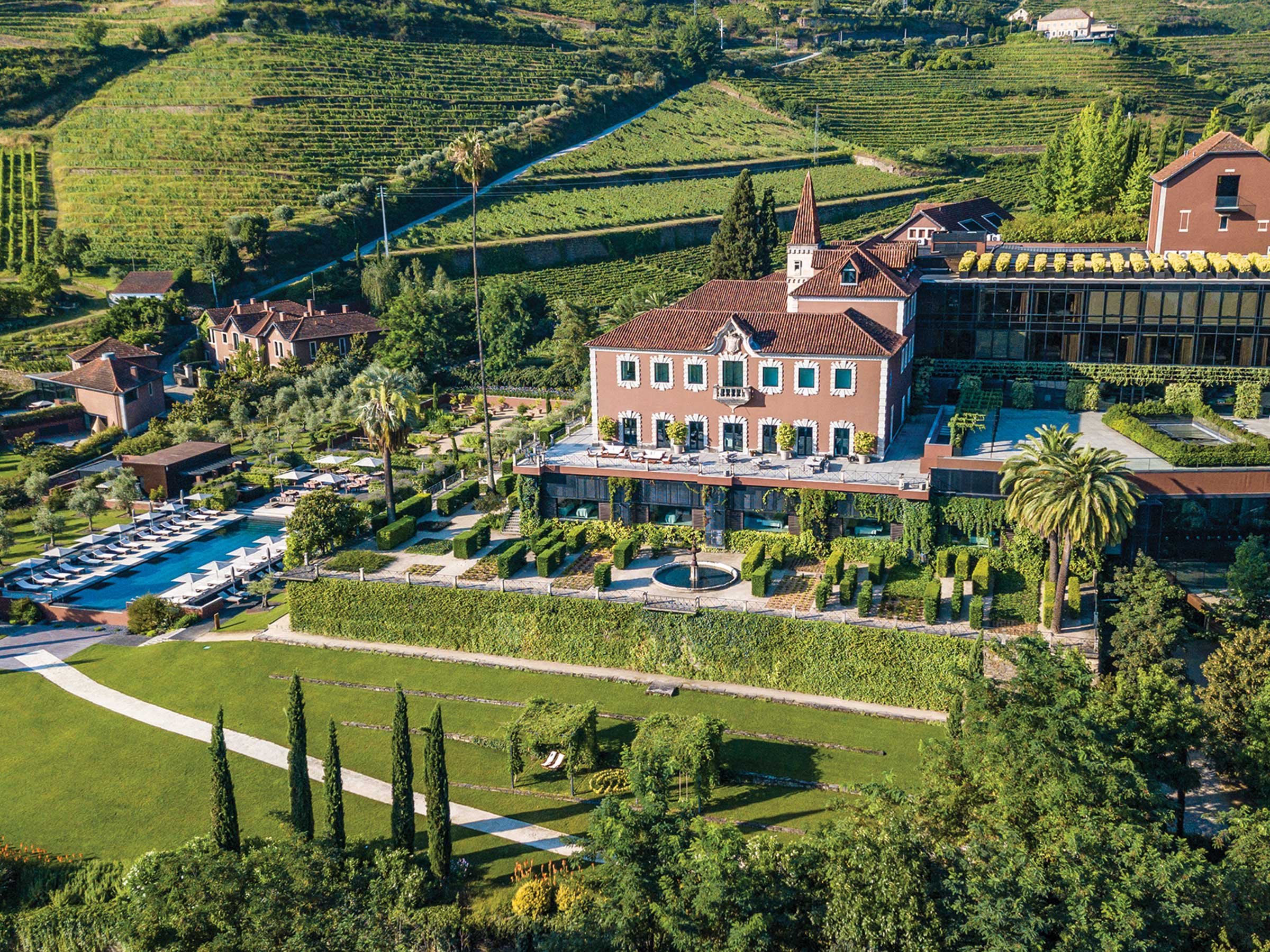
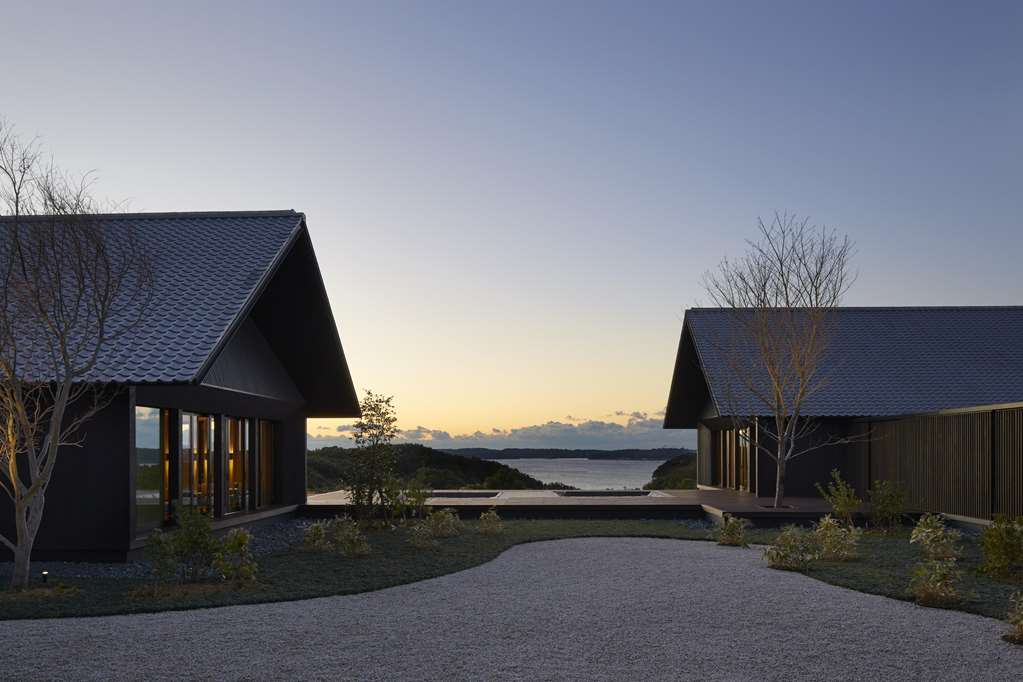
At a handful of properties the question inverts, because the spa is not an amenity attached to a hotel — it is the reason the hotel exists. Amanemu, in Ise-Shima National Park above Japan's Ago Bay, is built on mineral-rich hot-spring water: a roughly 2,000-square-metre Aman Spa organised around a large central onsen, two private spa pavilions each with their own indoor and outdoor onsen, Watsu suites and a glass-walled yoga studio — and every suite and villa has an onsen of its own. Six Senses Douro Valley runs roughly 2,200 square metres with ten treatment rooms, an organic pharmacy where products are mixed on site, yoga and Pilates pavilions, and a heated indoor pool whose hydrotherapy circuit finishes with a cold plunge at around five degrees and a vitality pool at around thirty-eight — plus an arrival screening, covering sleep and skin diagnostics and biofeedback, that produces a plan for the stay rather than a menu. Six Senses Fiji layers Fijian-healer programming over the same framework. At properties like these you are not deciding whether to add a treatment; you are buying a three-to-seven-night programme, and the room is where you sleep between sessions. Enough travellers are making that choice to move markets: the Global Wellness Institute's 2025 Global Wellness Economy Monitor put the global wellness economy at US$6.8 trillion in 2024, with spas growing 14.6% and wellness tourism 13.8% between 2023 and 2024. The consequence is simple: if wellness is the point of the trip, book a property built around it rather than paying city-hotel prices for a facility you will visit twice.
Making the Spa Pay for Itself — How WhataHotel! Fits
One lever changes the value equation before you arrive, and it costs nothing to pull. Booked through WhataHotel! — operated by Lorraine Travel, a luxury advisory in business since 1948 — every property comes through the brands' invitation-only preferred-partner programmes: Marriott STARS, Belmond Bellini Club, Hyatt Privé, Rosewood Elite, Four Seasons Preferred Partner, Mandarin Oriental Fan Club and IHG Destined. Each reservation carries a US$100-plus property or spa credit, which at most hotels can be applied directly against a treatment — so the massage that looked like a US$280 decision becomes a US$180 one. Alongside it come daily breakfast for two, upgrade priority, early check-in and late checkout where available, and VIP recognition — at the same rate as booking the hotel direct, with no minimum stay. Late checkout matters more here than people expect: it turns a departure morning into a final swim rather than a rushed shower. Your advisor also does the homework described above — confirming whether the pool and thermal areas are open to all guests or gated behind a treatment, what hours the circuit keeps, and reserving the quiet first or last appointment before the good slots go. A spa cannot make a mediocre hotel worth the rate. But where the facility is genuinely built — Bulgari's Roman bath, Mandarin Oriental's hammam, Amanemu's onsen — a credit, a late checkout and a booking made in advance are the difference between an expensive hour and a day you will still be describing a year later.