5-Star Hotel Room Upgrades: How to Get Them
You get a room upgrade at a 5-star hotel in one of four ways: the hotel gives it to you free because your reservation ranks high on its arrivals list, you confirm it in advance with an elite upgrade instrument such as a Hyatt Suite Upgrade Award or a Marriott Nightly Upgrade Award, you pay for it (usually at a discount) through a pre-arrival or check-in offer, or you book through a channel that tells the hotel to put you first. The free kind is the one everyone wants and the least predictable; the other three are the ones you can actually plan. Whichever route you take, the same three conditions decide whether it happens: there must be a better room unsold on every night of your stay, there must be a better room to move you to from the one you booked, and your reservation must give the rooms controller a reason to choose you over the other guests arriving that day. This guide goes deeper than our overview of 5-star hotel perks, upgrades and late checkout: it covers the upgrade ladder at a luxury hotel, how to book so that you have somewhere to climb, when and how to ask, how confirmed and paid upgrades work, and the upgrades you should turn down. It pairs with our guide to getting loyalty perks at 5-star hotels.
Book With Upgrade Priority Attached on WhataHotel
The Four Routes to an Upgrade — and Which Ones You Control
It helps to separate the routes, because they behave very differently. The complimentary upgrade is discretionary: the rooms controller, usually working through the next day's arrivals, moves some reservations up a category when higher categories are unsold. Nobody is entitled to it, and it cannot be confirmed in advance — it is a decision about inventory and priority made close to arrival. The confirmed upgrade is an elite benefit you spend deliberately. World of Hyatt Globalists receive Suite Upgrade Awards that can be applied at the time of booking for a stay of up to seven consecutive nights, which makes a suite at a Park Hyatt a certainty rather than a hope; Marriott Bonvoy's Nightly Upgrade Awards (the programme formerly called Suite Night Awards) are requested in advance and clear a few days before arrival if the premium room or suite is still available. The paid upgrade is a sale: hotels routinely email an offer to move up a category before arrival, and front desks often quote an upgrade price at check-in, frequently below the difference between the two published rates, because an unsold suite earns nothing that night. The priority upgrade comes from how the booking was made: a reservation placed through a brand's preferred-partner programme arrives already flagged for upgrade priority, which moves it up the controller's list before anyone else is considered. The first route is luck; the other three are choices, and the most reliable approach is to combine them — a flagged booking in a category with room to climb, on dates when the hotel has space.
Know the Ladder: What an Upgrade Actually Looks Like
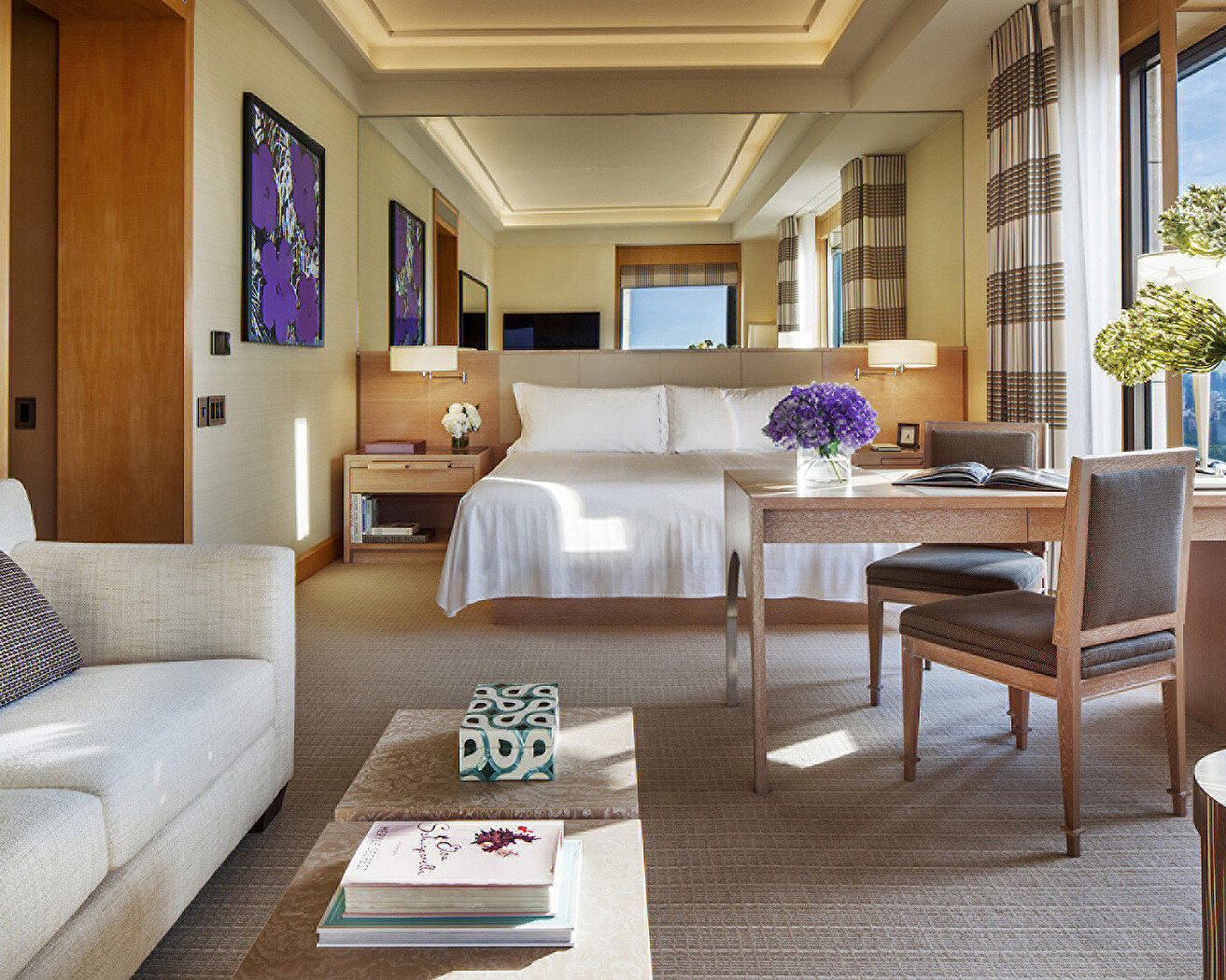
Most guests picture an upgrade as a move to a suite. In practice, the ladder at a luxury hotel has several rungs, and most upgrades are one step up rather than three. The same room, better placed: a higher floor, a quieter side of the building, a corner room with windows on two sides. The view: at many 5-star hotels this is the most valuable rung of all, because it is the one the rate card charges most for — the Opera House rooms at Park Hyatt Sydney, the Grand Canal rooms at The St. Regis Venice, the sea-facing rooms at Mandarin Oriental Jumeira, Dubai rather than those looking back towards the city. The larger category: a deluxe or premier room with a sitting area, a larger bathroom or a balcony. The junior suite, where the sitting area becomes a defined space. The full suite, with a separate living room and door — the rung that is rarest, because many luxury hotels have relatively few suites and sell them directly at high rates. At resorts the ladder is often about position rather than size: garden to ocean view, room to villa, villa to villa with a private pool. Knowing the ladder at your hotel changes how you ask. "Anything better" is vague; "if a room with the canal view is available, we'd love it" gives the controller a specific rung to find, and a specific request is far easier to say yes to. Study the hotel's room categories before you book — they are the upgrade map.
Book So You Have Somewhere to Climb
The category you book decides whether an upgrade is possible at all. Book the entry category in a class, not the top of it. If you book the highest-grade room below the suites, the only rung left is a suite, which is the hardest to get; book one or two categories lower and there are several rungs the controller can use. Where the price difference between two categories is small, weigh whether you would rather have the certainty of the better room or the chance of something better still — and be honest about which rooms you would be happy with if no upgrade comes. Short stays upgrade more easily than long ones. An upgrade has to hold for every night of the stay, and a suite free for two nights is far more common than one free for ten; on a long stay, a confirmed upgrade or a direct booking of the room you want is often the better route. Dates matter more than status. A sold-out week leaves no inventory for anyone, while shoulder seasons, midweek nights at resorts and weekends at business-district city hotels are when better rooms sit empty. Match the hotel to the goal. A large hotel with many categories and a deep suite inventory has more to give than a small boutique property where every room is already spoken for. And book through the channel that ranks you first — third-party travel websites tend to sit at the bottom of the list, and elite benefits are often not recognised on those bookings.
Asking, Paying and Confirming — and When to Say No
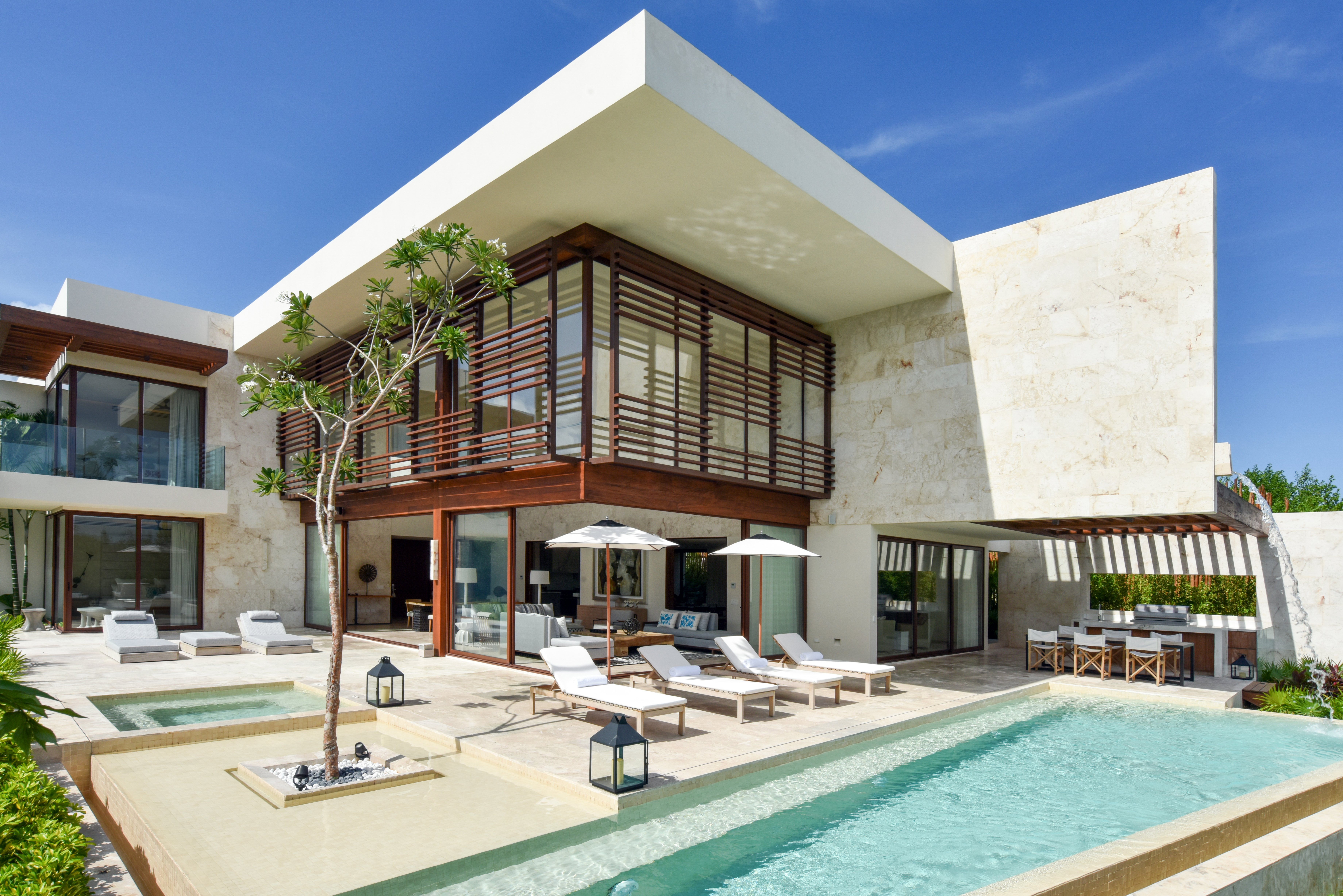
Ask before you arrive, not only at the desk. The best moment is a short, polite email a few days before arrival, when the controller is planning room assignments: confirm your arrival time, mention any occasion, and name the rung you would most like. At check-in, ask once and specifically — "if a higher floor or a room with the view is available, we'd be delighted" — and accept the answer gracefully; staff remember the guests who made their day easier. Consider the paid offer seriously. A pre-arrival or check-in upgrade price is often well below the difference between the published rates, and the question to ask is simple: would you pay this amount for this room if it were a separate purchase? For one special night of a longer stay, it can be the best-value spend of the trip. Use elite instruments where they work best. Hyatt Suite Upgrade Awards are most valuable where suites are costly and in demand, because they are confirmed at booking; Marriott Nightly Upgrade Awards are useful at St. Regis and Ritz-Carlton hotels (they are not redeemable at Ritz-Carlton Reserve), but they depend on availability a few days out, so they should never be what the trip relies on. And know when to decline. Not every upgrade is better. A larger room on a low floor may lose the view you booked; a suite over a busy street or beside the lift may be noisier; a two-bedroom unit may be wasted space when you wanted the room with the terrace. Ask what the new room faces and where it is before you accept. A good hotel will never be offended by a guest who prefers the room they chose.
Upgrade Priority by Contract — How WhataHotel! Delivers It
Everything above improves your chances; only one lever changes where you sit on the list before you arrive. Booked through WhataHotel! — operated by Lorraine Travel, a luxury advisory since 1948 — every property comes through the brands' invitation-only preferred-partner programmes: Marriott STARS, Belmond Bellini Club, Hyatt Privé, Rosewood Elite, Four Seasons Preferred Partner, Mandarin Oriental Fan Club and IHG Destined. Each reservation arrives flagged by the brand itself for upgrade priority, together with daily breakfast for two, a US$100-plus property or spa credit, early check-in and late checkout where available, and VIP recognition — at the same rate as booking direct, with no minimum stay. That matters most at the brands without a points programme — Four Seasons, Rosewood, Belmond and Mandarin Oriental — where there is no elite status to lean on and a partner booking is the clearest signal a controller receives. At Marriott and Hyatt properties, STARS and Privé bookings still earn points and elite night credits and recognise your status, so the partner flag and your own benefits work together. Your advisor also does the work described in this guide: reading the hotel's category ladder, suggesting the room that leaves space to climb, and noting occasions and preferences with the hotel before you travel. An upgrade can never be guaranteed without a confirmed award, but it can be made far more likely — and when it doesn't come, breakfast, credit and a room you actually chose are still waiting for you.