How to Complain Effectively at a 5-Star Hotel
Complain once, early, in person, to someone with the authority to fix it — and say exactly what you want to happen. That is almost the whole technique, and it works unusually well at luxury hotels because they are built to recover from failure: the best operators push decision-making power to the front line precisely so that a problem can be solved in minutes rather than escalated for days. The Ritz-Carlton's widely cited empowerment policy, introduced in the 1980s under Horst Schulze, authorises any employee to spend up to US$2,000 per guest, per incident, to resolve a problem without a manager's sign-off — and, tellingly, it is rarely used anywhere near that amount, because the point is the freedom to act, not the budget. What undermines a complaint is almost always timing and delivery: raising it at checkout when nothing can be done, raising it with someone who cannot act, raising ten grievances instead of one, or leading with a threat. The research is also worth knowing: the "service recovery paradox" — the idea that a well-handled failure leaves guests happier than no failure — was named in 1992 but has proved inconsistent in later studies, and hotel research has found that only complete resolution drives repeat stays, while partial fixes do not. So the aim is not compensation. It is resolution. This guide covers when to raise it, who to raise it with, how to phrase it, what outcome is reasonable, and what to do after you leave. It builds on the most common complaints and how to avoid them and what 5-star service should feel like.
Book With an Advisor Behind Your Reservation
Timing: Why the First Hour Beats the Checkout Desk
A hotel's ability to fix a problem shrinks with every hour you wait, and it hits zero the moment you leave. On arrival, the hotel still has rooms to move you into, a rooms controller who can rearrange tomorrow's allocations, and your whole stay ahead in which to make it right. By the second evening, the house may be full and the best it can offer is an apology and a credit. At checkout, the only tools left are money off the folio — which is not what you actually wanted — and a note on your guest profile. After you have gone, a problem becomes a correspondence. The practical rules follow directly. Raise a room problem within the first hour: wrong category, noise, a view that is not the one booked, a fault with the air conditioning or the shower. Walk the room as soon as you enter it. Raise a noise problem the first night, not the third, even if it is late — the night manager exists for exactly this. Raise a service failure when it happens, not in aggregate at the end, because a pattern described at checkout sounds like a list of grievances and a single issue raised on the spot sounds like something to fix. And do not save it for the review. A problem the hotel was never told about is one it never had the chance to solve.
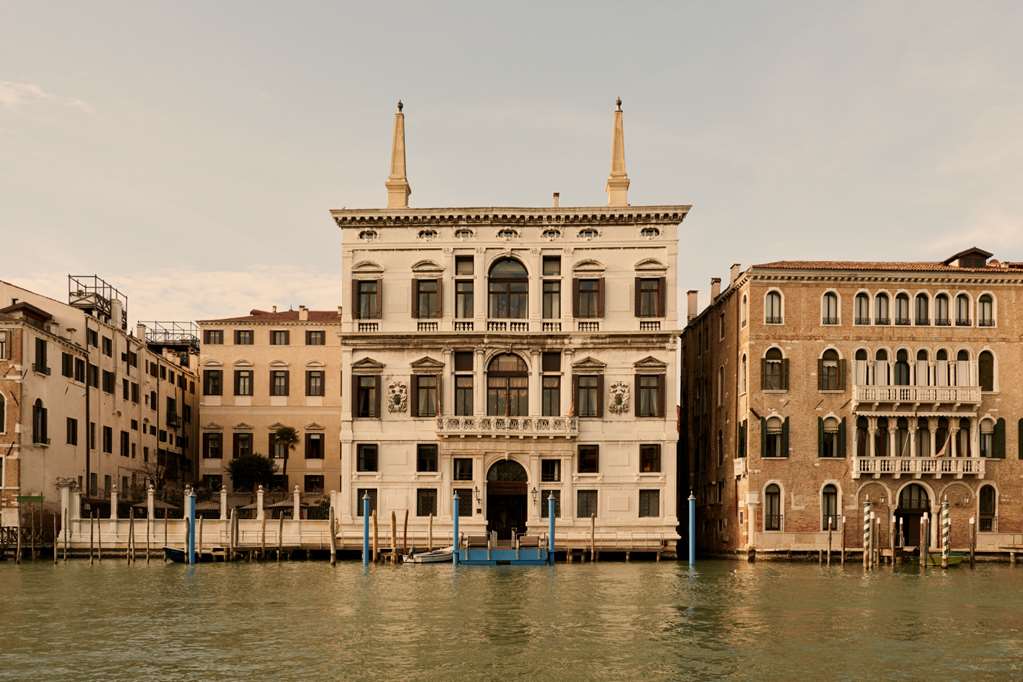
Who to Ask: The Escalation Ladder Inside a Luxury Hotel
Go to the lowest level that can genuinely solve the problem, and move up only if it cannot. For anything in the room — temperature, a fault, an amenity, housekeeping — call the in-room number for guest services, or the butler if your category includes one; these are routine fixes and the fastest route is the direct one. For the room itself — the wrong category, noise, the view — go to the front desk and ask for the front office manager or duty manager, because the agent at the counter often cannot move inventory and the manager can. For service failures in a restaurant, the spa or the bar, speak to the outlet manager at the time rather than the server. For anything that has not been resolved at those levels, ask for the guest relations manager or the director of rooms, and if it is serious, the hotel manager or general manager — at a well-run luxury property both are reachable during the stay and would far rather hear it from you in the lobby than read it online. Two rules on the ladder. Do not skip rungs for a small problem, because a general manager summoned for a cold cup of tea is a general manager less inclined to go further when it matters. And do not repeat the same complaint to several people in parallel; raise it once, get a name, and follow up with that person.
What to Say: The Four-Part Complaint That Gets Fixed
Luxury hotels train their teams on structured service-recovery models — listen, empathise, apologise, respond, follow up — and you get the best result by giving them what the model needs. One: the fact. Specific and neutral: "We booked a Grand Canal view room and this one faces the courtyard," not "this is unacceptable." Two: the impact. Briefly, why it matters to this stay: "It's our anniversary, and the view was the reason we chose the hotel." Three: the resolution you want. This is the part most people omit, and it is the one that speeds everything up: "Could we be moved to a canal-view room today, or tomorrow if nothing is free tonight?" A hotel that knows what would satisfy you can usually find a way to deliver it; a hotel left to guess will offer a generic credit. Four: the follow-up. Ask for the name of the person handling it and when you will hear back. Then stop talking. Tone matters more than volume — calm and specific is taken seriously, anger and generality are managed. Keep it to the issue that matters most; if there are several, lead with the one that actually spoils the stay and mention the others only if they are connected. And put anything important in writing — a short email to the front office manager after the conversation creates a record, confirms what was agreed, and gives the hotel something to act on beyond memory.
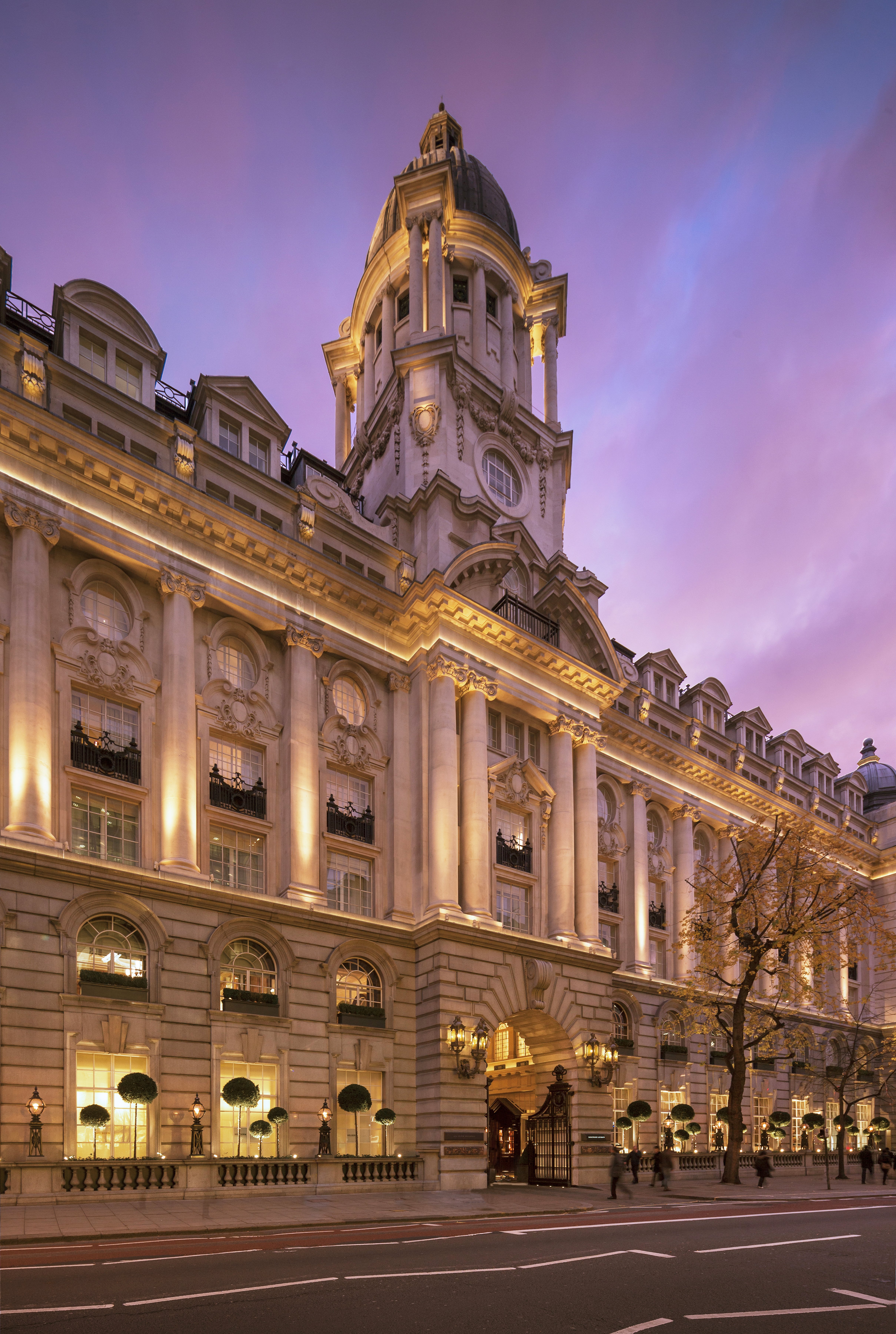
What Resolution Is Reasonable — and What Backfires
Calibrate the ask to the failure, because the hotel will. Reasonable, and usually offered readily: a room move or an upgrade when the room was wrong; an immediate repair or an engineer on the spot; a restaurant dish removed from the bill when it failed; a food-and-beverage or spa credit for a service lapse that cost you time or an experience; late checkout to recover hours lost to a problem. Reasonable for a serious failure — a genuinely unusable room, a major undisclosed closure, a night lost to noise the hotel knew about: a night's charge waived or a partial refund, alongside the fix. Unreasonable, and counter-productive: demanding a free stay for a minor problem, or asking for compensation before the hotel has had a chance to solve anything. Academic research on service recovery has specifically examined overcompensation and found it does not reliably buy additional satisfaction, which is one reason experienced hotel teams focus on fixing the problem rather than escalating the payout. What backfires every time: threatening a review. It converts you from a guest with a problem into a risk to be managed; the conversation becomes careful and documented rather than generous. Also avoid arguing with the person who is trying to help, venting at staff who did not cause the problem, and turning a single issue into a verdict on the entire hotel. The goal is the stay you booked, not a settlement.
After You Leave — and Where WhataHotel! Fits
If something was not resolved during the stay, you still have options, in this order. Write to the general manager within a few days: dates, confirmation number, what happened, who you spoke to, what was offered, and what you are asking for now — a luxury general manager reads these personally. If the property does not respond, contact the brand's guest-relations team with the same facts. For charges you did not agree to, dispute them with the property first and your card issuer only as a last resort, and only for billing errors or services not delivered rather than dissatisfaction with quality. A review is legitimate after the hotel has had a chance to respond — and fairest when it says what went wrong and how it was handled. Or skip most of that entirely, which is the practical advantage of booking through an advisor. Reservations made through WhataHotel! — operated by Lorraine Travel, a luxury advisory since 1948 — go through the brands' invitation-only preferred-partner programmes — Marriott STARS, Belmond Bellini Club, Hyatt Privé, Rosewood Elite, Four Seasons Preferred Partner, Mandarin Oriental Fan Club, IHG Destined — and carry VIP recognition alongside daily breakfast for two, a US$100-plus property or spa credit, upgrade priority, and early check-in and late checkout where available, at the hotel's own flexible rate with no minimum stay. That changes what a complaint looks like. A problem on a VIP-flagged booking is escalated inside the hotel faster, and there is a named advisor with a direct relationship to the property who can raise it with the right manager while you are still there — so the resolution happens during the stay, which is the only time it is worth anything.