Is a 5-Star Hotel Worth It for a Weekend Trip?
Yes — and arguably more worth it on two nights than on ten, provided you choose a city hotel rather than a resort and fix three things before you go. The reason is arithmetic. A standard weekend runs from a 3 p.m. check-in on Friday to a noon checkout on Sunday: 45 hours, of which you will sleep through roughly 16, leaving under 30 waking hours in the destination. On a short stay the hotel's position and the hours it gives you back are worth far more than its facilities, because you will not use the spa, the gym or the second restaurant — you barely have time to. That flips the usual value calculation: the things that make a resort expensive are wasted on a weekend, while the things a great city hotel does — a location that deletes taxi rides, a concierge who gets you the table, a 4 p.m. checkout that turns a departure day into a real one — pay for themselves almost immediately. The three fixes: book a property whose position removes transit time, secure early check-in and late checkout, and book through a channel that includes breakfast, which on a two-night stay is a large share of the total. This guide runs the weekend maths, the price picture, and the checklist. It builds on whether 5-star hotels are worth the money and the best time to book for the lowest price.
Find a Weekend Hotel With Perks Included
The Weekend Maths: What 48 Hours Actually Contains
Start with the clock, because it governs everything else. Check-in at most hotels starts at 3 p.m. and checkout falls between 10 a.m. and noon, with luxury properties more often stretching to 1 p.m. A Friday-to-Sunday stay is therefore not 48 hours but about 45, and after sleep you have somewhere under 30 waking hours on the ground. Now subtract the airport or station transfer at each end — an hour each way in most cities, considerably more in a few — and the real figure drops toward 25. Two consequences follow. First, every hour the hotel can hand back is worth a meaningful percentage of the trip: a 4 p.m. checkout instead of noon adds four hours to a stay that only had about 30 usable ones, which is close to a 15 percent increase in the holiday for no additional nights. Second, position stops being a preference and becomes the product. A hotel twenty minutes further out costs you roughly 80 minutes across four round trips — most of an evening — which no amount of marble in the bathroom compensates for. This is the single biggest mistake people make booking a luxury weekend: they optimise for the room and pay for it in taxis.
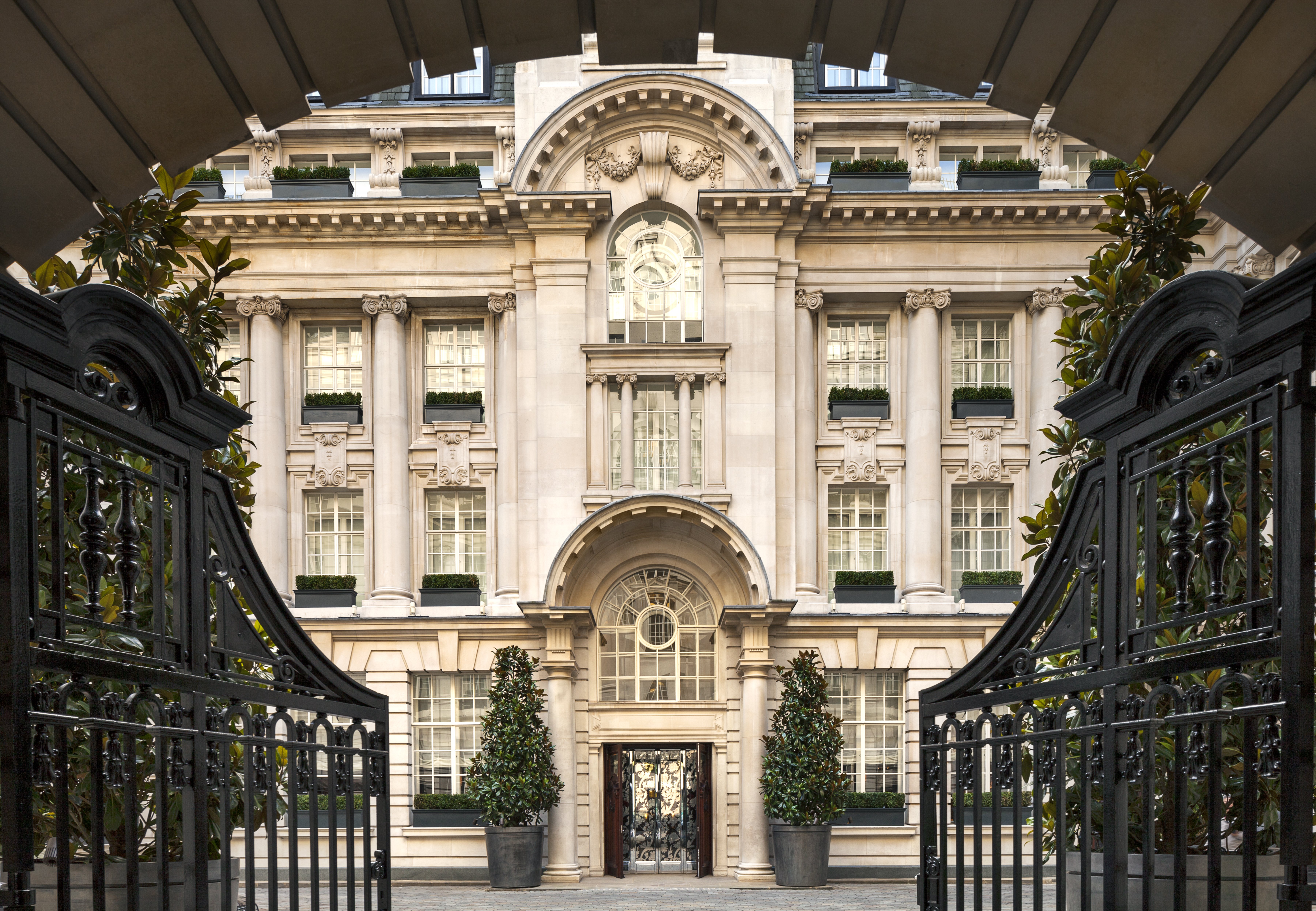
What a Weekend Buys at a 5-Star — and What It Wastes
Split the amenity list into things that pay off in 45 hours and things that do not. Pays off immediately: the location, because it converts directly into time; the concierge, who on a short trip is the difference between seeing the thing you came for and queuing for it; breakfast, which you will eat twice and which is genuinely excellent at this tier; the bar, which is where a city weekend actually happens; and housekeeping's small mercies — pressing, same-day laundry, a bathroom that does not need negotiating. Wasted: the gym, which even guests who intend to use it largely do not; the spa, which needs a half-day you have not got; the second and third restaurants; the pool in a city hotel in anything but summer; and almost the entire proposition of a resort, which is designed to be the destination rather than the base. The honest conclusion is a rule of thumb: for a weekend, buy position, service and breakfast, and refuse to pay for facilities. A grand hotel in the centre of Rome, London, Paris or Venice is a superb two-night purchase. A beach resort forty minutes from an airport, with a spa menu and four restaurants, is a terrible one — not because it is worse, but because a weekend cannot consume what it is selling.
The Price Picture: A Weekend Can Be the Cheapest Way In
Counter-intuitively, two nights is often the cheapest entry point to a hotel you would otherwise not book. Rate patterns split by hotel type, and knowing which you are looking at is worth real money. Across the market as a whole, Friday check-ins run around 8 percent above average and Sunday check-ins around 7 percent below, because leisure demand concentrates on Friday and Saturday nights. But hotels that live on business travel invert this completely — the city properties in financial and government districts empty out on Friday afternoon, and their weekend rates can be dramatically softer than their Tuesday ones. That is the arbitrage: a grand city hotel whose weekday guests are in suits will sell you its best weekend at a price its midweek guests would envy. Season compounds it: a European city hotel in late January or November, outside the Christmas fortnight, can run 30 to 50 percent below its own summer rate for the identical room. And the fixed costs are smaller than people assume — there is no minimum stay at the preferred-partner level, so a two-night booking carries the same included benefits as a two-week one, which means the per-night value of those benefits is at its highest on a short stay. Two nights, soft season, business-district hotel, weekend dates: that is the cheapest luxury weekend on the board.

How to Make Two Nights Worth It: The Checklist
Seven decisions, in order of how much they change the trip. One: pick the position, not the property. Open a map, mark the two or three things you are actually going to do, and choose the hotel inside that triangle — The St. Regis Venice on the Grand Canal, Bulgari Hotel Roma facing the Mausoleum of Augustus, Park Hyatt Sydney on the harbour. Two: request early check-in and late checkout at the time of booking, not on arrival, and confirm it in writing; it is the highest-yield ask on a short stay. Three: make sure breakfast is included — at US$40 to 90 per person, two breakfasts for two people is a substantial fraction of a two-night bill. Four: book the restaurant before you travel. Flagship rooms at small hotels fill weeks ahead and you do not have a spare evening to waste. Five: arrive Friday morning if you can, leaving your bags with the porter and starting the day immediately — the room being unready costs you nothing if the hotel is already your base. Six: use the concierge on day one, not day two; the value compounds with the time remaining. Seven: skip the spa unless it is the reason you came, and put the money into the room category instead — on a stay this short you are in the room for a much higher proportion of the time.
Why the Booking Channel Matters Most on a Short Stay — and Where WhataHotel! Fits
Everything above concentrates value into a small number of hours, which is precisely why the channel you book through matters more on a weekend than on a fortnight. The luxury brands' invitation-only preferred-partner programmes — Marriott STARS, Belmond Bellini Club, Hyatt Privé, Rosewood Elite, Four Seasons Preferred Partner, Mandarin Oriental Fan Club, IHG Destined — attach, at the hotel's own flexible rate and with no minimum stay: daily breakfast for two, a US$100-plus property or spa credit, upgrade priority, early check-in and late checkout where available, and VIP recognition. On a seven-night holiday that package is pleasant. On a two-night weekend it is transformative, because the fixed benefits — the credit, the upgrade, the extra hours at either end — are delivered once regardless of length, so their value per night roughly triples. Two breakfasts, a US$100 credit and a 4 p.m. checkout on a two-night stay is a large share of what you paid. Booked through WhataHotel! — operated by Lorraine Travel, a luxury advisory since 1948 — an advisor also knows which hotel in a given city sits where you actually want to be, which is the decision that determines whether the weekend works. Two nights is not too short for a 5-star hotel. It is too short to waste on the wrong one.