What Hotel Amenities Matter Most to Travelers?
Travellers say the amenities that matter most are free wi-fi, breakfast and parking — and the research on what they actually use says something different: the amenities that change a stay are the ones delivered by people, not installed in a building. Cornell research by Chekitan Dev and Prateek Kumar, which tracked 724 guests across 33 hotels, found that roughly 46 percent of guests expected to use the fitness centre and about 20 percent did; around 23 percent expected the spa and about 11 percent went; half expected to eat dinner in the hotel restaurant and about 9 percent did. The amenities that were under-predicted were the quiet ones: in-room dining at lunch, ordered by about 32 percent against the 11 percent who planned to, and the concierge, used by 64 percent of luxury guests on stays of five nights or more against the 44 percent who expected to. J.D. Power's 2026 North America Hotel Guest Satisfaction Index Study points the same way — overall satisfaction rose 13 points year over year to 665 on a 1,000-point scale, driven by front-desk courtesy, responsiveness to requests, and the upkeep of shared spaces rather than by new facilities. This guide separates what travellers ask for from what actually moves their stay, what changes at the luxury tier, and how to judge an amenity list before you book. It builds on what 5-star amenities you should expect and the features that genuinely improve a stay.
Browse Hotels Where the Amenities Are Included
What Travellers Say They Want — and Why They Say It
Survey after survey produces the same top of the list, and it is worth understanding why. Free in-room wi-fi, free parking and free breakfast dominate every ranking of traveller priorities, well ahead of pools, gyms and spas. The reason is not that guests love broadband; it is that these three are the items most likely to appear as a surprise charge, so they function less as amenities than as a test of whether the hotel is going to nickel-and-dime you. Personal care items — real toiletries, not sachets — rank surprisingly high for the same reason: they are a visible proxy for how much the property respects the guest. And expectations ratchet quickly. J.D. Power's 2026 study notes that smart TVs with streaming, a premium in-room feature a few years ago, have become a standard expectation; nobody chooses a hotel for one, but its absence now registers as a fault. The pattern is consistent: the amenities travellers name are the ones whose absence annoys them, which is a different question from the one that decides whether a stay was good.
What They Actually Use: The Intent-Versus-Use Gap
The Cornell numbers are the most useful thing in this article, because they measure the same guests twice — once for what they expected to use, once for what they did. The fitness centre is the most over-predicted amenity in hospitality: about 46 percent of guests intended to use it and roughly 20 percent did, and the gap was widest at luxury hotels. The spa ran about 23 percent expected against 11 percent actual. The pool held up better — around 46 percent expected, 35 percent actual — but split hard by traveller type, with leisure guests swimming and business guests essentially never. The hotel's dinner restaurant was the largest miss of all: roughly half planned to eat there, about 9 percent did. Automated check-in was expected by about one guest in ten and used by about one in a hundred. Meanwhile two things were under-predicted: in-room dining at lunch (about 11 percent expected, 32 percent actual, rising to half on stays of five nights or more) and the concierge at luxury properties (44 percent expected, 64 percent actual on longer stays). Read together, the lesson is blunt: people book the hotel they imagine being at and then use the hotel they are actually tired in. Facilities you have to get changed for lose. Services that come to you win.
The Amenities That Genuinely Change a Stay
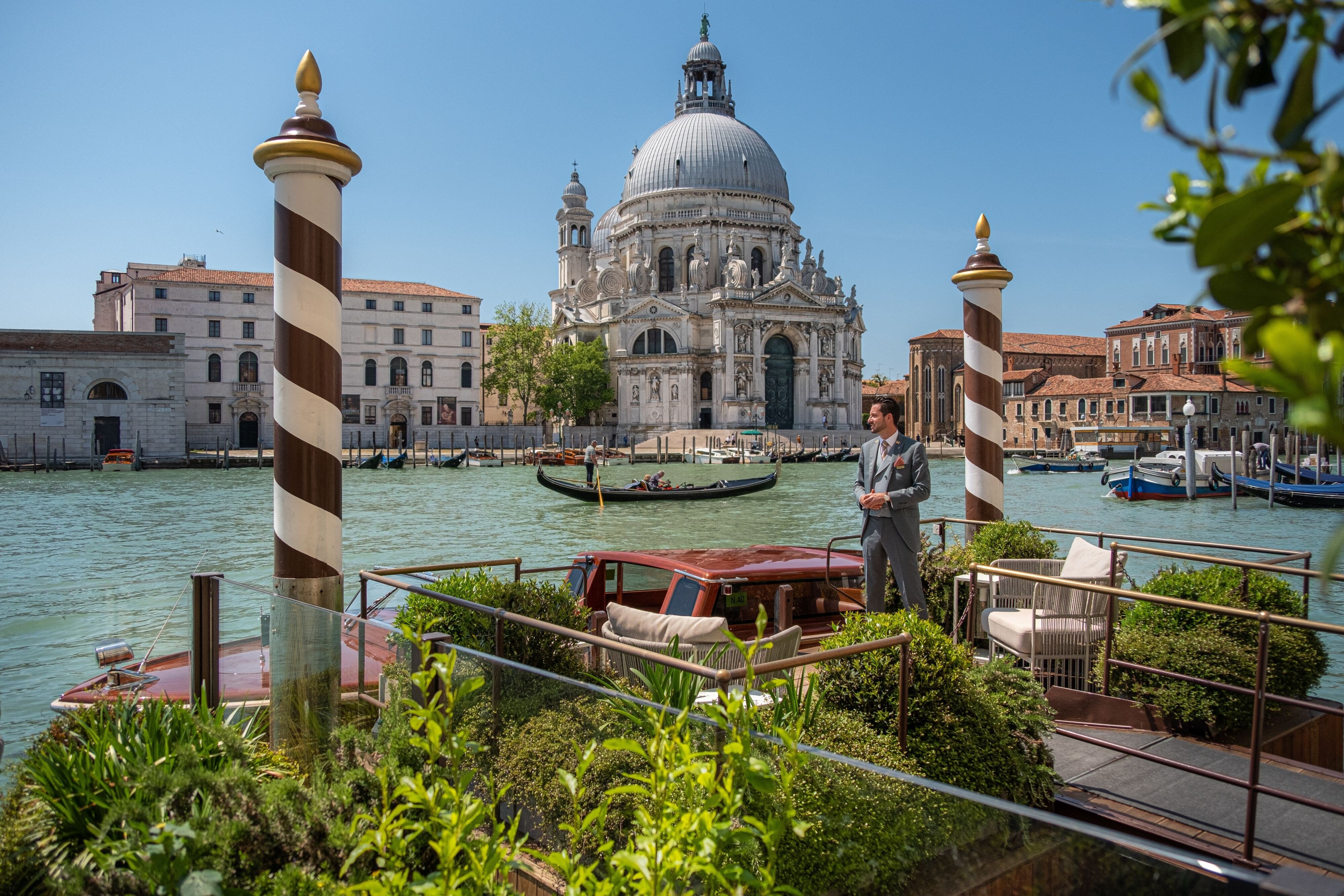
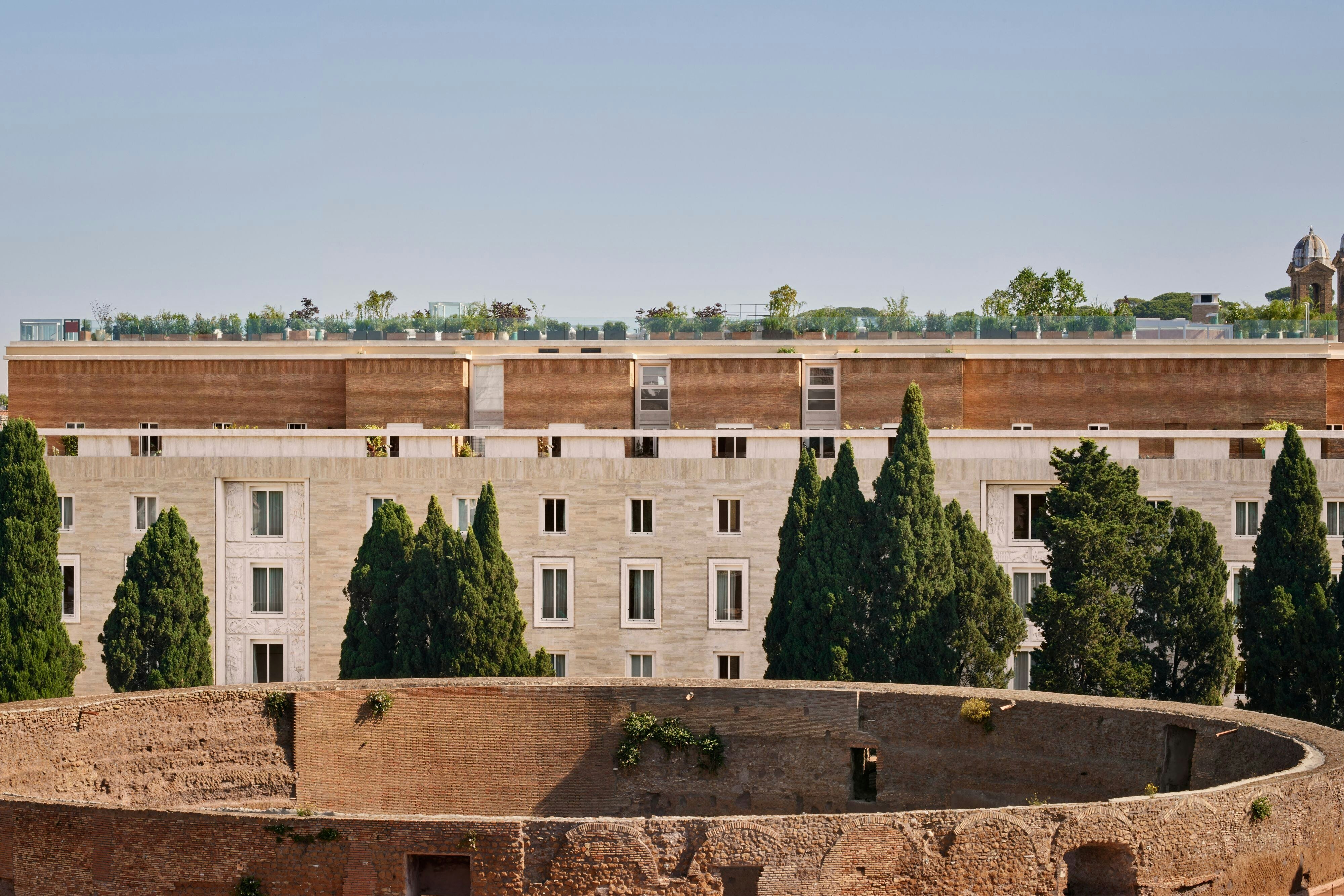
Five, in rough order of impact. Time control — early check-in and guaranteed late checkout — outranks every facility on the list, because it turns a travel day into a usable one and costs the hotel nothing but inventory management. Breakfast included is the highest-value recurring item at the luxury tier, running roughly US$40 to 90 per person; over three nights for two people it is a larger sum than most of the rest combined. A concierge who can actually do things — restaurant tables with no public availability, a private guide, a boat, a same-day repair — is the amenity the data says luxury guests under-estimate and then rely on; the reservations desk at a well-connected hotel is worth more than its spa. Position is the amenity you cannot install: a water-taxi dock on the Grand Canal at The St. Regis Venice, a harbour cove at Park Hyatt Sydney, sand at the foot of the lawn at Rosewood Miramar Beach, a terrace facing the Mausoleum of Augustus at Bulgari Hotel Roma. No facility list substitutes for a building in the right place. And upkeep, which is invisible until it fails — J.D. Power attributes much of 2026's satisfaction rise to maintenance of shared spaces and responsiveness to guest requests rather than to anything new. What did not move the needle: the gym, the business centre, the app, and the second and third restaurants you will not eat in.
How Priorities Shift by Traveller — and by Tier
There is no single ranking, and pretending otherwise is how people book the wrong hotel. Business travellers want speed and predictability: fast check-in and checkout, reliable connectivity, a desk and a chair that work together, laundry turned around overnight, and a breakfast that can be eaten in twenty minutes. They almost never use the pool. Leisure couples want the opposite — the long breakfast, the bar, the terrace, the late checkout — and will trade a gym for a view without hesitating. Families are driven by connecting rooms, a pool with shade and supervision, flexible dining hours, and in-room dining that does not price a child's meal like a tasting menu. Solo travellers value a bar where eating alone is comfortable and a concierge who will plan a day. Wellness-led travellers are the exception to the spa statistic — for them the treatment list and the thermal circuit are the reason for the trip, which is a different product from a hotel that happens to have a spa. And the tier changes the meaning of the words: at a mid-market hotel "breakfast included" means a buffet, at a 5-star it means a cooked-to-order meal worth US$80 to 180 for two; "concierge" means a desk in one and a network in the other. Match the amenity list to how you will actually spend the day, not to the hotel you imagine yourself being at.
Getting the Amenities That Matter Attached to Your Booking — and Where WhataHotel! Fits
The useful conclusion is that the amenities with the highest measured impact are almost all bookable rather than architectural — and the brands' invitation-only preferred-partner programmes attach precisely that list. Marriott STARS, Belmond Bellini Club, Hyatt Privé, Rosewood Elite, Four Seasons Preferred Partner, Mandarin Oriental Fan Club and IHG Destined add, at the hotel's own flexible rate and the same price as booking direct: daily breakfast for two (the highest-value recurring item on any amenity list), a US$100-plus property or spa credit (which converts the spa from a facility you walk past into one you use), upgrade priority, early check-in and late checkout where available (the time control that outranks every facility), and VIP recognition, which is what makes the concierge and the restaurant desk work harder for your reservation than for the one beside it. Across three nights that is typically US$400 to 700 of value, with no minimum stay. Booked through WhataHotel! — operated by Lorraine Travel, a luxury advisory since 1948 — you also get an advisor who knows which of two hotels in the same city has the position, the breakfast and the concierge worth having, rather than the longer facility list. The gym will still be there. You still will not use it.