The cheapest genuine 5-star hotel experience is an entry-category room, in low or shoulder season, at a top-tier property in a low-cost luxury market — five-star rooms in Bangkok, Istanbul, and Prague routinely publish under £200 (roughly US$250) a night, against US$800 to US$1,500 for the same standard of hotel in New York, London, or Paris. Cheaper still is the 5-star experience that does not involve a room at all: a spa day, an afternoon tea, a bar or restaurant booking, or a resort day pass at a genuinely luxury property, most of which cost less than a mid-range dinner and deliver the same building, the same staff, and the same service culture. And the most reliable way to lower the true cost of any 5-star stay is not to hunt for a discount — rate parity means there rarely is one — but to book the same room through a channel that attaches breakfast, credits, and upgrades to it, worth US$150 to US$250 a day at no change in price. This guide covers the four levers in order of how much they actually move the number, and builds on our guides to getting the best rate at a luxury hotel and whether 5-star hotels are worth the money.
Browse 5-Star Hotels with Perks Included
Lever One: The Cheapest Real 5-Star Is a Geography Question
Nothing else moves the number as much as choosing where to be luxurious. A 5-star hotel's rate is set far more by the land it sits on and the wages of the city around it than by the standard of the product inside, which is why a property with marble bathrooms, three restaurants, a full spa, and near-two-staff-per-room service can cost US$200 a night in one market and US$1,200 in another at the same quality tier. The strongest value markets are Southeast Asia (Bangkok, Hanoi, Kuala Lumpur), Türkiye, Portugal, Central and Eastern Europe (Prague, Budapest, Warsaw), Mexico, and much of Latin America — places where five-star stays are available for under £200 a night while the equivalent hotel in Western Europe or a US gateway city sits at three to six times that. This is not a downgrade in disguise: Bangkok's luxury hotels include some of the most decorated properties in the world, and Lisbon and Prague both hold internationally recognised five-star houses. The trap is confusing a cheap market with a cheap hotel. In a low-cost market the whole distribution shifts down, so the self-declared "5-star" at US$70 sits alongside a genuine one at US$220 — which makes the verification habits from our guide to spotting a fake 5-star hotel matter more in a bargain market, not less. Check room square footage, restaurant count, and independent recognition exactly as you would in Paris.
Lever Two: Season Moves More Money Than Any Discount Code
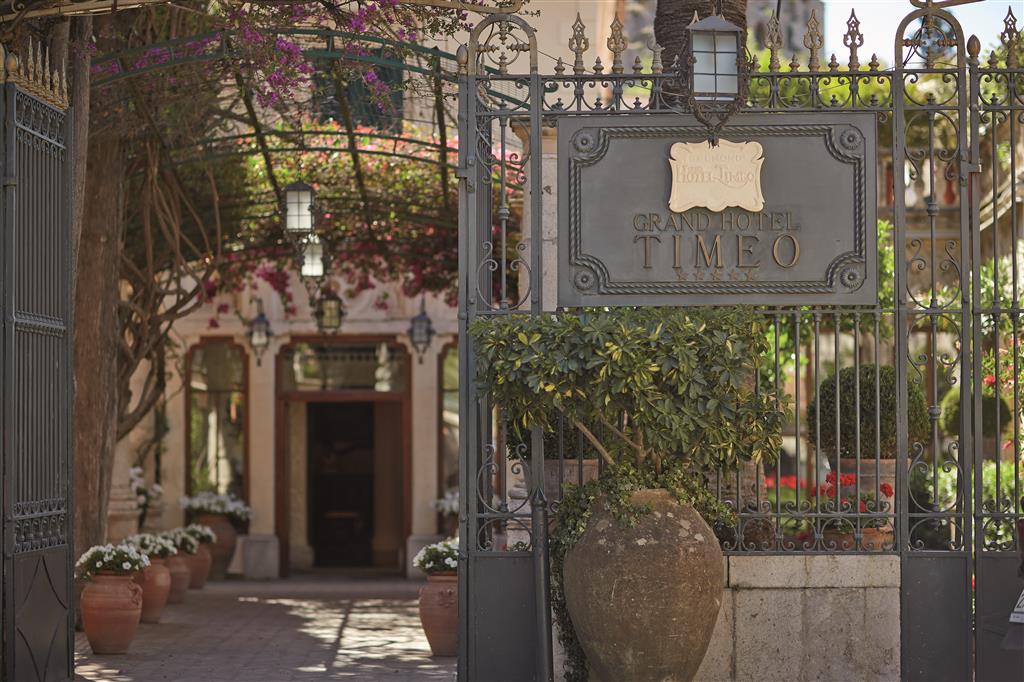
Within a single hotel, the calendar is the biggest variable there is: the same room routinely swings by a factor of two to four between peak and low season, dwarfing anything a promo code, a membership, or a booking-platform "deal" will produce. Three patterns are worth knowing. Shoulder season — the four to six weeks either side of peak — is the sweet spot, because rates have fallen sharply while the weather, the restaurants, and the staffing are still fully switched on: late April and early May or mid-to-late October in Sicily, June and September for Kyoto, and the weeks between the summer and Christmas peaks almost everywhere in Europe. True low season is cheaper still but carries trade-offs you should price honestly: Fiji's wet season runs roughly November to April, with February and March the cheapest months and also the wettest and highest in cyclone risk, while April is the common compromise — late wet season, falling rainfall, low rates. Seasonal properties simply close: Belmond's Grand Hotel Timeo in Taormina shuts for the winter and reopens in spring, so the cheapest Timeo night is the first or last few weeks of its own operating year, not January. Counter-seasonal cities are the most underrated: business hotels are cheapest at weekends, leisure hotels midweek, and a Sunday-to-Thursday stay in a corporate city can undercut the weekend rate by half at the same property.
Lever Three: The Smallest Room in the Best Hotel, Never the Best Room in a Lesser One
Given a fixed budget, the highest-value 5-star booking is almost always the entry-level category at the better property rather than an upgraded category at the weaker one, because the things that make a hotel excellent are overwhelmingly things you do not buy by the square metre. The lobby, the doormen, the concierge, the spa, the pool, the restaurants, the staffing ratio, the housekeeping standard, the recovery culture when something goes wrong: every one is shared property, identical for the guest in the cheapest room and the guest in the corner suite. What the suite buys is floor area and a view, which you occupy while asleep. The arithmetic is stark at the top of the market, because entry-level rooms in genuine luxury hotels are not small in any ordinary sense — The Ritz-Carlton, Kyoto opened with the largest entry-level rooms in its city at roughly 45 square metres, which is larger than a "junior suite" at many four-star properties, and Park Hyatt Sydney attaches butler service to every room category including the least expensive one. Two corollaries follow. Book the base category and let the upgrade come to you — upgrades are allocated at check-in from whatever is unsold, and paying for a category you might have been given is the most common way luxury travellers overspend. And resist the resort suite in low season: if the rate has already halved, bank the saving or add a night.
Lever Four: The 5-Star Experience Without the 5-Star Room Rate
If the question is literally the cheapest 5-star experience available, the honest answer is that the room is optional. Luxury hotels are largely public buildings, and most of their signature product is sold to non-residents at a fraction of a room rate. Spa and pool day passes are the biggest single value: many city and resort properties sell a treatment-plus-facilities day covering the thermal suite, pool, gym, and loungers for well under a room night, and you get the arrival ritual, the staff, and the grounds for a full day. Afternoon tea and breakfast at a landmark hotel are among the cheapest ways to sit inside a great lobby with 5-star service attached. Bars and restaurants are open to everyone — the rooftop, the terrace, the Michelin-recognised dining room, Belmond Grand Hotel Timeo's Michelin-starred Otto Geleng among them — and a drink at sunset on a legendary terrace is a genuine version of the experience at aperitivo pricing. A single bookend night is the hybrid: one night in the great hotel at the start or end of an otherwise ordinary trip buys the arrival, the bed, the breakfast, and the send-off for roughly a seventh of a week's cost. And the short-notice weekday night in a business city — booked seven to ten days out for a Tuesday or Wednesday — is often the lowest genuine 5-star rate you will see in an expensive market, because the hotel is pricing an empty room it cannot store.
The Floor Under All Four Levers: Same Room, Lower True Cost
Every lever above lowers the published rate. The last one lowers what the stay actually costs you, which is a different number and, for most travellers, a larger one. Luxury hotels enforce rate parity, so the same room is broadly the same price everywhere it is sold; what changes between channels is what comes attached. Booked inside the brands' invitation-only preferred-partner programmes — Marriott STARS, Belmond Bellini Club, Hyatt Privé, Rosewood Elite, Four Seasons Preferred Partner, Mandarin Oriental Fan Club, IHG Destined — that same reservation carries daily breakfast for two, a US$100-plus property or spa credit per stay, upgrade priority, early check-in and late checkout where available, and VIP recognition, at the hotel's own flexible rate and with no minimum stay. Breakfast for two at a 5-star property is commonly US$60 to US$100 a day on its own; add the credit and the upgrade and the package routinely covers US$150 to US$250 a day you would otherwise have paid on top of the room. Stacked with the other three levers the effect compounds: a shoulder-season entry-level room in a value market, booked through the programme, is the cheapest genuine 5-star experience there is — a low published rate with the extras already inside it. WhataHotel!, operated by Lorraine Travel since 1948, books every property on the platform through these programmes, which also means the "cheap" hotel you end up in has already cleared the brands' own admission bar. The cheapest 5-star experience is not the one with the smallest number on the booking page. It is the one where the number on the booking page is the last money you spend.