5-Star Hotel Service: What Should You Experience?
At a genuine 5-star hotel, service should feel anticipatory rather than reactive: you are greeted by name at the door because the arrivals list was read, escorted to a room that already reflects a preference you mentioned once, and never made to queue, repeat yourself, or chase a request. The concrete standard runs from before arrival to after departure — pre-arrival contact to capture preferences, a doorman and porter who move luggage invisibly, a seated or in-room check-in, twice-daily housekeeping with evening turndown, 24-hour room service and concierge, a concierge who solves problems rather than referring them back, staff who recognise you by day two, and recovery so fast that most problems are fixed before you would have escalated them. Forbes Travel Guide, whose anonymous inspectors define the global benchmark, weights service at roughly three-quarters of a hotel's score for exactly this reason: facilities qualify a hotel for the tier; people are what you actually experience. This guide walks the full service arc stage by stage, explains the difference between anticipation and mere politeness, describes what world-class recovery looks like, clarifies who does what among butlers, concierges, and guest-experience staff, and shows how to unlock the full layer rather than the version reserved for regulars. It builds on what 5-star amenities to expect and what makes a hotel truly 5-star.
Book With VIP Recognition Attached on WhataHotel
The Service Arc: Before Arrival to After Departure
Five-star service is a sequence, and each stage has a standard. Pre-arrival: a genuine luxury property contacts you before you travel — an email or call from guest relations asking about arrival time, dietary needs, pillow and bed preferences, occasions, and transfer requirements — and the answers appear in the room, not in a file. Arrival: the doorman uses your name because the arrivals list carries your photograph or description; luggage disappears from the car and reappears in the room; check-in is seated, in the room, or takes two minutes at most; and a member of staff walks you to the room and orients you rather than handing over a key. The stay: housekeeping twice daily with evening turndown; room service and concierge around the clock; requests fulfilled without follow-up; recognition from the restaurant host, the pool attendant, and the bar by the second day; and the small, unrequested touches — a birthday amenity, a bath drawn after a long excursion, a pressed shirt returned before you noticed it was gone. Departure: a folio reviewed in advance and correct, luggage collected on schedule, a car waiting, and — at the best properties — a follow-up after the stay. Some brands formalise the arc with a named person: St. Regis and Park Hyatt Sydney attach a butler to every room category; Six Senses assigns a Guest Experience Maker; Aman's properties operate at staffing ratios of several employees per guest so that the arc is delivered by people who are never rushed.

Anticipation vs. Politeness: The Real Tell
Every hotel above budget level is polite. What separates 5-star service is that it acts on information you did not have to repeat. The tell is small and unmistakable: you mention on the first morning that you take your coffee black, and on the second morning it arrives black without a word; you ask the concierge about a restaurant once, and the reservation, the car, and the return car are handled together; you leave a half-read book on the nightstand, and turndown places a bookmark in it rather than tidying it away. Forbes inspectors score this specifically — their standards test whether staff "read" the guest and adapt, whether a request is fulfilled with a follow-up, whether problems are anticipated (a spare umbrella when rain is forecast, a late-checkout offer when the flight is at night) — and they penalise scripted warmth that ignores what the guest actually said. Anticipation also has a quieter form: invisibility. A great 5-star is as notable for the service you never see — the room made up while you were at breakfast, the luggage that moved without you — as for the service you do. If you find yourself managing the hotel, chasing housekeeping, or explaining your preferences for the third time, the property is polite but not 5-star, whatever the plaque says.
Recovery: What Happens When Something Goes Wrong
Things go wrong at the best hotels; the tier is defined by what happens next. The 5-star standard for recovery is speed, ownership, and follow-through: the first person you tell owns the problem rather than transferring you, the fix arrives within minutes rather than after a call-back, and someone senior follows up unprompted — often with a gesture that exceeds the fault. The Ritz-Carlton made this explicit decades ago by empowering every employee, without a manager's approval, to spend up to US$2,000 per guest to resolve a problem on the spot, and the principle — that front-line staff can act, not just apologise — now runs through every serious luxury operator. What you should experience if a room is not ready, a dish is wrong, or a booking was lost: an immediate solution (a lounge and a drink while the room is finished; the dish replaced and removed from the bill; the reservation rebuilt by the concierge, not by you), an acknowledgement from a manager, and a follow-up before departure. What you should not experience: being asked to prove the problem, being told it is another department's fault, or being offered a form. Handled well, recovery is the moment a 5-star earns its rate — many guests remember a fixed problem more fondly than a flawless stay.
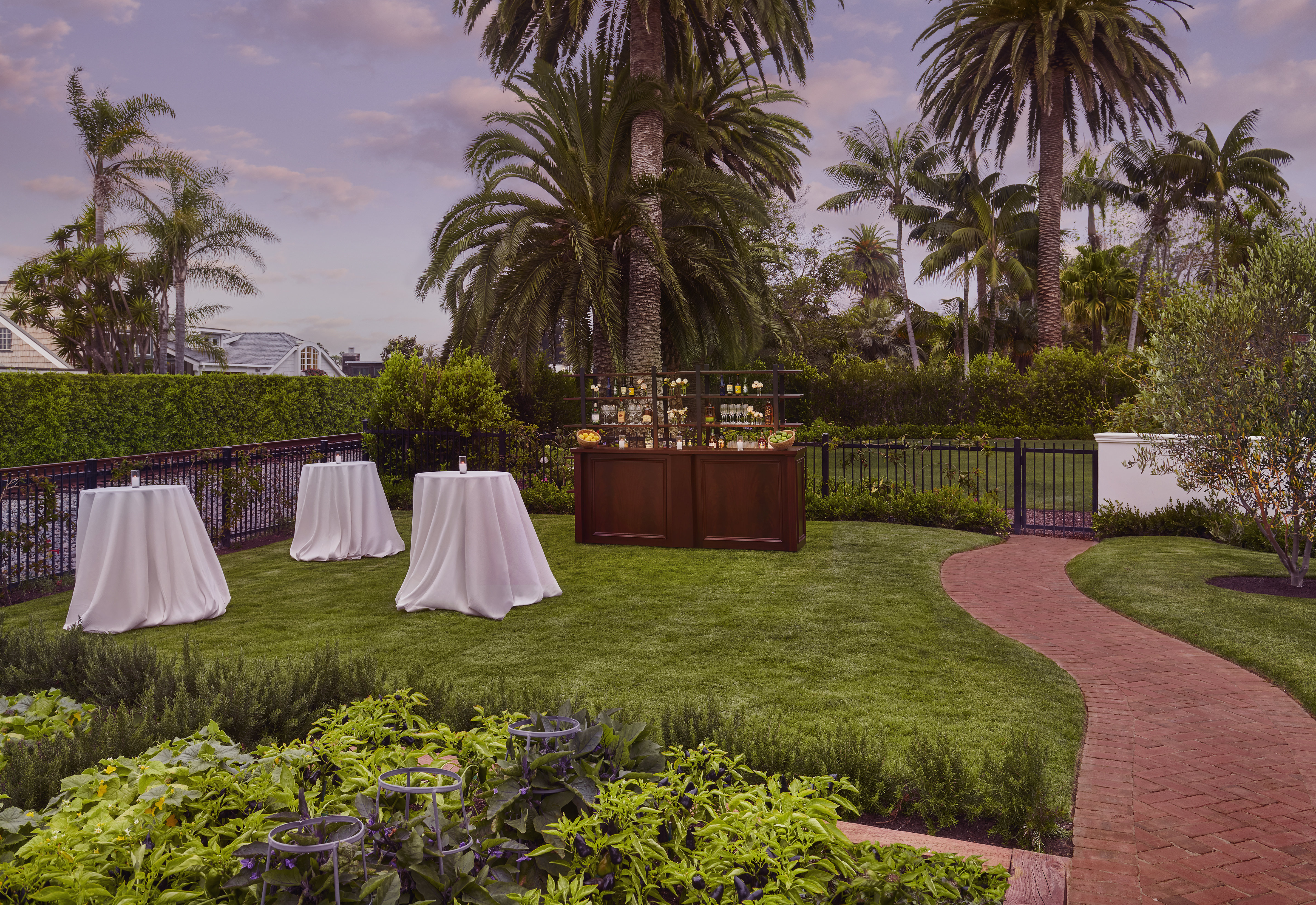
Who Does What: Butlers, Concierges, and Guest-Experience Staff
Luxury hotels distribute service across roles that guests often confuse. The concierge is the outward-facing expert — restaurants, tickets, transport, the city — and at a real 5-star holds relationships that produce tables and access that do not exist online; use them early and specifically. The butler, where the brand provides one, is the inward-facing manager of your stay: unpacking and packing, pressing, in-room dining service, drawing baths, coordinating housekeeping around your schedule, and acting as a single point of contact for anything in the building — at St. Regis properties and Park Hyatt Sydney every room has one; at most other 5-stars, butler service is attached to suites. Guest relations or a guest-experience manager (Six Senses calls the role a GEM) sits above both, handling pre-arrival preferences, occasions, and recovery. Housekeeping at this tier is a precision operation — twice-daily service, turndown, and the small resets between — and a good property's housekeepers notice more about your preferences than anyone else. Knowing who to ask matters: the concierge cannot press a shirt, the butler cannot get you into a fully booked restaurant, and guest relations is who you call when the arc has broken. At the best properties, of course, you ask anyone and the request reaches the right person — which is itself the standard.
How to Unlock the Full Service Layer — and Where WhataHotel! Fits
Five-star service scales with how much the hotel knows about you and how much it has been asked to care. Three things move you from the default version to the full one. Share preferences before arrival — occasions, dietary needs, bed and pillow choices, arrival time — because anticipation requires information. Use the people: ask the concierge early, meet the butler on arrival, and tell guest relations immediately if anything falls short, since recovery is where the culture shows. And arrive flagged. The luxury brands' invitation-only preferred-partner programmes — Marriott STARS, Belmond Bellini Club, Hyatt Privé, Rosewood Elite, Four Seasons Preferred Partner, Mandarin Oriental Fan Club, IHG Destined — attach VIP welcome recognition to the reservation, which means your name reaches the general manager's arrivals list before you land, your preferences are pre-loaded by an advisor who knows them, and any problem is escalated on your behalf by a partner the hotel has a standing relationship with. The same programmes add daily breakfast for two, a US$100-plus property or spa credit, upgrade priority, and early check-in and late checkout where available, at the hotel's own flexible rate with no minimum stay. Booked through WhataHotel! — operated by Lorraine Travel, a luxury advisory since 1948 — you experience the service layer the way the hotel's best regulars do, from the first stay.