Best 5-Star Hotel Features That Actually Improve Your Stay
The 5-star features that measurably improve a stay are the unglamorous ones: a genuinely quiet room, curtains that black out completely, a bed and linen programme that lets you sleep through the night, a bathroom with real water pressure and a separate tub and shower, a location you can walk out of, 24-hour room service, and a concierge who solves problems rather than referring them back to you. The features that photograph best — the rooftop infinity pool, the celebrity-chef restaurant you eat at once, the tablet that controls the curtains — rank far lower in what guests actually report as the difference between a good stay and a great one. The pattern holds across every price point at the top: the features you use every hour matter more than the features you use once. This guide ranks the features that earn their place, explains what to check before you book, names the ones that reliably underperform their marketing, and closes with the single feature that multiplies the value of all the others — the channel you book through. It builds on what 5-star amenities you should actually expect and what's included in a 5-star hotel room.
Browse 5-Star Hotels With Perks Included on WhataHotel
The Features That Actually Improve a Stay, Ranked
Rank features by hours of use, not by photograph. One: acoustic isolation. You spend more time asleep in a hotel than doing anything else, and nothing else on the list survives a corridor door that slams or a chiller unit above the ceiling. Two: the sleep set — mattress, linen, genuine down or a proper alternative, a pillow menu, and blackout curtains that overlap in the middle rather than leaking a stripe of streetlight across the bed. Three: the bathroom, because it is the room you use with the most attention: water pressure, a separate soaking tub and walk-in shower, a double vanity, and lighting you can actually shave or apply makeup by. Four: location, the only feature you cannot upgrade after arrival, and the one that decides whether your day starts with a walk or a taxi. Five: service responsiveness — how long a request takes, and whether it comes back solved. Six: the food you eat every day, meaning breakfast and room service, not the tasting menu. Seven: usable space, which at the top tier means roughly 40 to 45 square metres at entry level in cities and considerably more at resorts — The Ritz-Carlton, Kyoto's entry-level rooms start at approximately 45 square metres, among the largest base accommodations in that city. Everything beyond these seven is a bonus, and much of it is a bonus you will use twice.
In the Room: Silence, Sleep, and the Working Details
The in-room features worth checking before you book cluster into four groups. Silence: ask for a room away from the lift lobby, ice machine, service pantry, and street-facing corner; at conversion properties and heritage buildings, ask specifically whether the room has secondary glazing. A luxury hotel will move you without argument if a room is noisy — that willingness is itself a feature. Sleep: a proper pillow menu, a mattress topper on request, blackout curtains, and a room temperature you control rather than a building system that decides for you. The bathroom: stone or marble, separate tub and rain shower, full-size or refillable premium toiletries, heated floors or towel rails in cold-climate properties, and a deep-soaking configuration in Japanese properties. The working details that quietly decide the stay: bedside power and USB on both sides, a desk with a real chair and a light, luggage space that does not require unpacking onto the bed, free high-speed Wi-Fi with no device cap, a coffee set-up that does not require calling anyone at 6am, and a wardrobe with enough hangers for two people who packed properly. None of these appear on a booking page's feature list, which is exactly why they separate hotels that are photographed well from hotels that are run well.
Service Features That Outperform Facilities
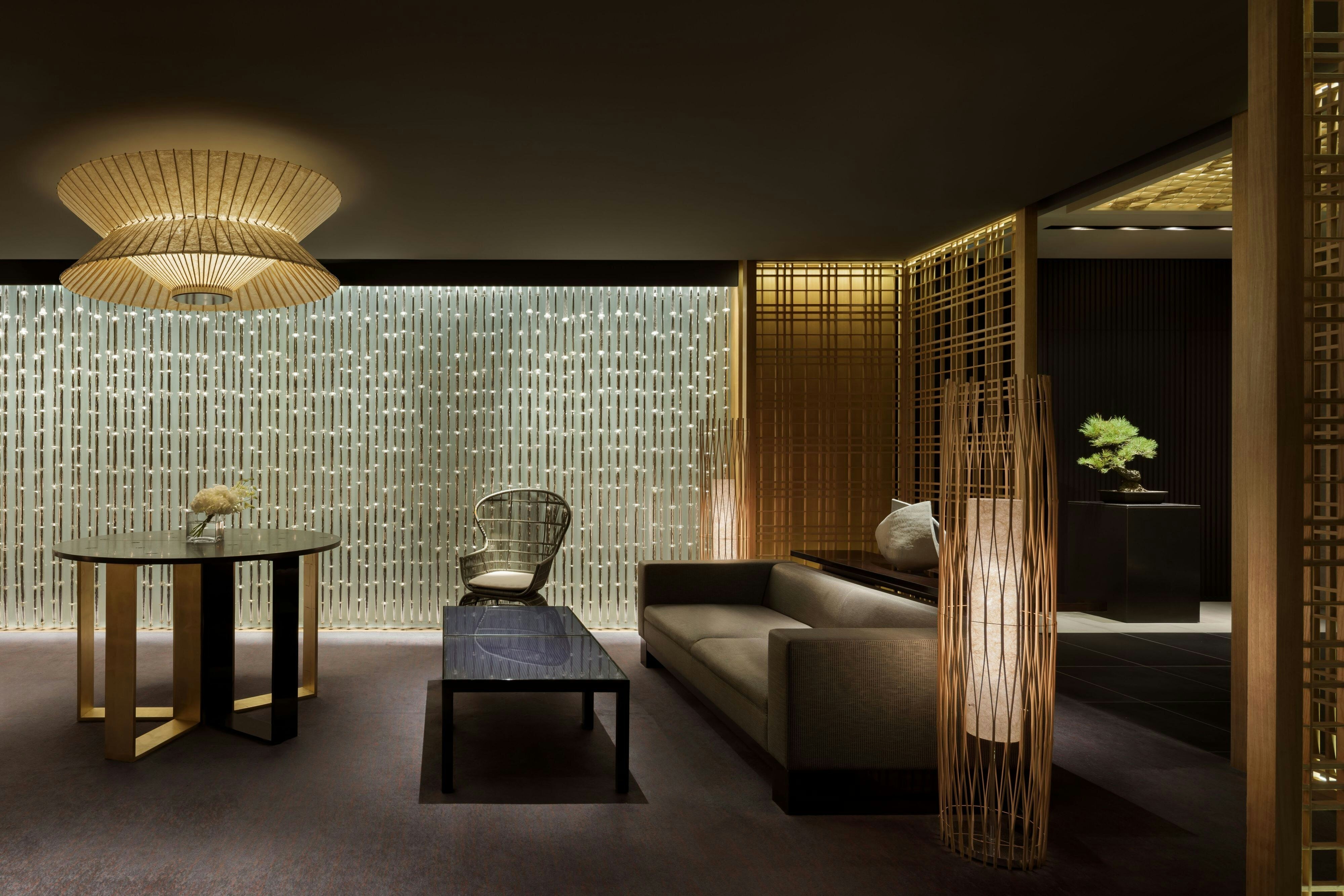
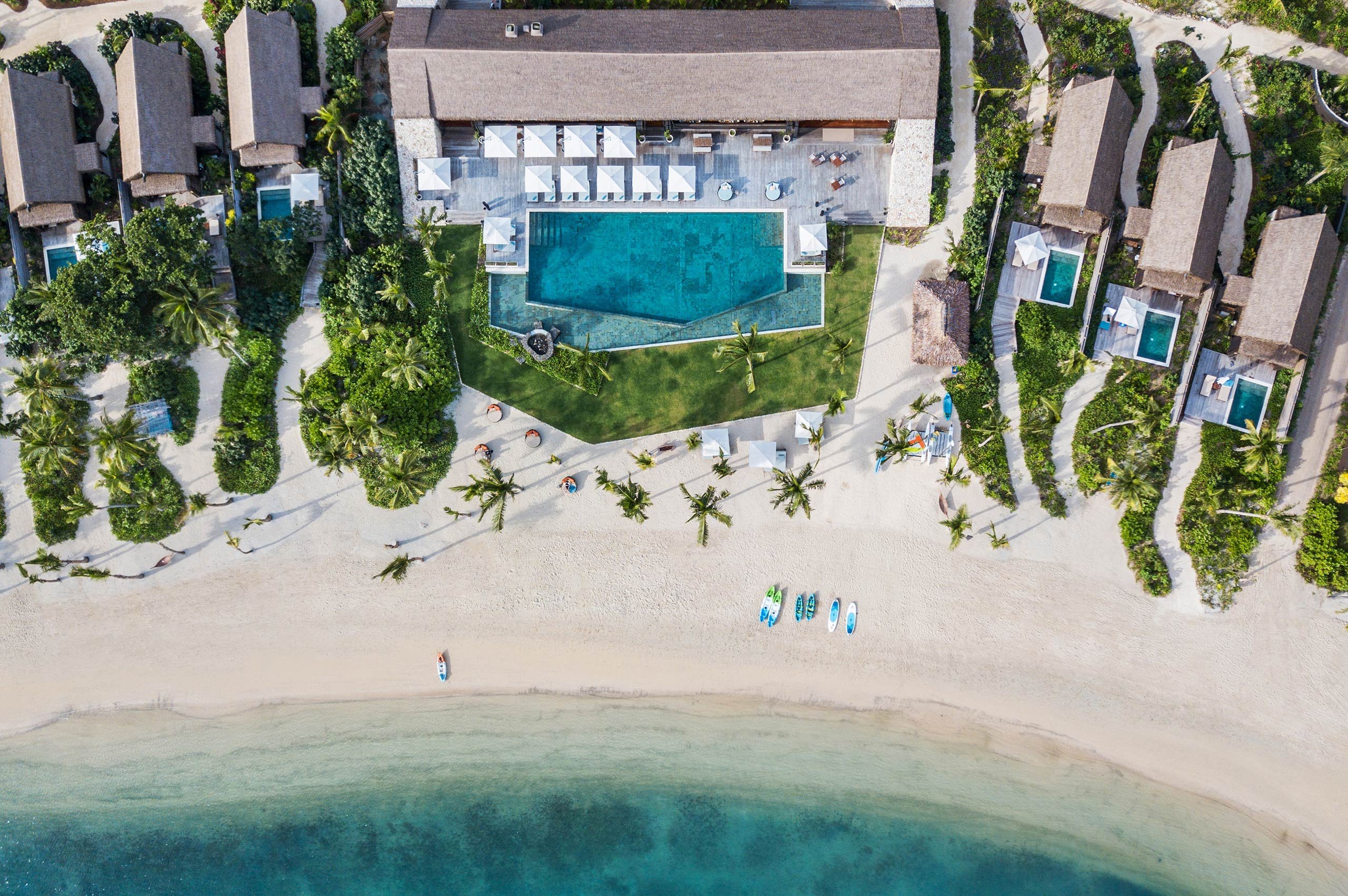
The highest-value 5-star features are staffing, not square footage — a point covered at length in our guide to whether 5-star hotels are worth the money. 24-hour room service is the feature most used by anyone crossing time zones, and the one most quietly withdrawn by properties cutting costs — check it before booking a long-haul arrival. Same-day laundry and pressing turns a carry-on into a week's wardrobe and is worth more than any amenity kit. A concierge with real relationships gets you the restaurant table, the sold-out ticket, and the private guide at short notice; a concierge with a search engine sends you a link. Butler service, standard on every room category at St. Regis properties and at Park Hyatt Sydney, converts small friction — unpacking, pressing, a bath drawn, a reservation moved — into someone else's job. Twice-daily housekeeping with evening turndown means returning to a reset room rather than your own morning mess. And the underrated free features almost nobody uses: house bicycles (The Ritz-Carlton, Kyoto runs a complimentary programme along the Kamogawa riverside promenade; Park Hyatt Sydney runs one for the harbour foreshore), luggage storage on either side of the stay, house cars for short local hops at many city properties, kids' clubs at resorts, and the weekly cultural programming — tea ceremony, calligraphy, artisan ateliers in Kyoto; village visits, kava ceremonies, and marine-conservation sessions at Six Senses Fiji — that costs nothing and is the part guests remember.
Features That Photograph Better Than They Perform
Some of the most heavily marketed 5-star features are worth less in practice than the space they occupy in the brochure. The rooftop infinity pool is often small, shared with the bar crowd, in shade by mid-afternoon, and closed for a private event on one of your three nights — a resort's ordinary lap pool with attendant service, or a villa's own plunge pool, delivers more usable water time. The celebrity-chef signature restaurant is a genuine feature if you eat there; if you don't, the all-day dining room and the room-service menu are the venues that actually feed you. Smart-room technology — tablets that control lights, curtains, and climate — regularly performs worse than a labelled switch, and its failure mode is calling engineering at midnight. Enormous marble lobbies tell you about capital spend, not service. The pillow menu with eleven options is a good sign only if the hotel also fixed the mattress. The spa's headline square metreage matters less than whether the thermal circuit — sauna, steam, vitality pool — is included with the rate, which is where the daily value sits: Bulgari Hotel Roma's roughly 1,500-square-metre spa with its 20-metre Roman-bath pool is genuinely exceptional precisely because access rides on the reservation. And the view is a real feature, but only from the room you booked — "harbour glimpse" and "partial sea view" are room categories, not descriptions, and the upgrade that converts one into the other is worth more than most facilities on the list.
The Feature That Multiplies Every Other One: How You Book
The highest-leverage feature is not in the building. Booking through the luxury brands' invitation-only preferred-partner programmes — Marriott STARS, Belmond Bellini Club, Hyatt Privé, Rosewood Elite, Four Seasons Preferred Partner, Mandarin Oriental Fan Club, IHG Destined — attaches, contractually and at the hotel's own flexible rate: daily breakfast for two (the meal you eat every morning, worth US$80 to 180 a day at this tier), a US$100-plus property or spa credit per stay (US$200 for suites at properties including The Ritz-Carlton, Kyoto), upgrade priority at check-in — the mechanism that converts a city-view room into the river-view or harbour-view room that actually changes the stay — early check-in and late checkout where available, which adds usable hours at both ends of a short trip, and VIP welcome recognition that moves your name up every queue in the building, including the housekeeping and engineering ones. Read against the ranked list above, that package upgrades four of the seven features that matter: the room itself, the daily food, the hours you have, and the speed of service. Booked through WhataHotel! — operated by Lorraine Travel, a preferred partner since 1948 — it costs the same as booking direct, carries no minimum stay, and adds an advisor who knows which room numbers at a given property are quiet.