Hidden Costs at 5-Star Hotels: What They Don't Tell You
The hidden costs at a 5-star hotel rarely come from the hotel padding your bill — they come from the gap between the rate you were quoted and the total you were always going to pay: government taxes and fees that can add 15 to 25 percent in some cities, mandatory service charges, breakfast at US$40 to 90 per person, valet parking at US$60 to 90 a night in American cities, airport transfers at US$100 to 300, automatic 18 to 20 percent gratuities on spa treatments and room service, and the currency-conversion surcharge quietly offered at checkout. Add the incidental hold placed on your card at check-in — often US$100 to 300 per night — and a US$900 room can produce a folio that surprises even experienced travellers. None of this is dishonest, but almost all of it is avoidable or offsettable if you know where it hides. This guide lists every line item by category, flags the ones that mark a property as less than luxury, gives the destination-by-destination tax reality for the places our readers actually book, and closes with the three habits — and the one booking channel — that keep the quoted rate and the final bill close together. It builds on what's actually included at a 5-star hotel and how to get the best rate.
Book With Breakfast & Credits Included on WhataHotel
Taxes and Government Fees: The Biggest Gap Between Rate and Folio
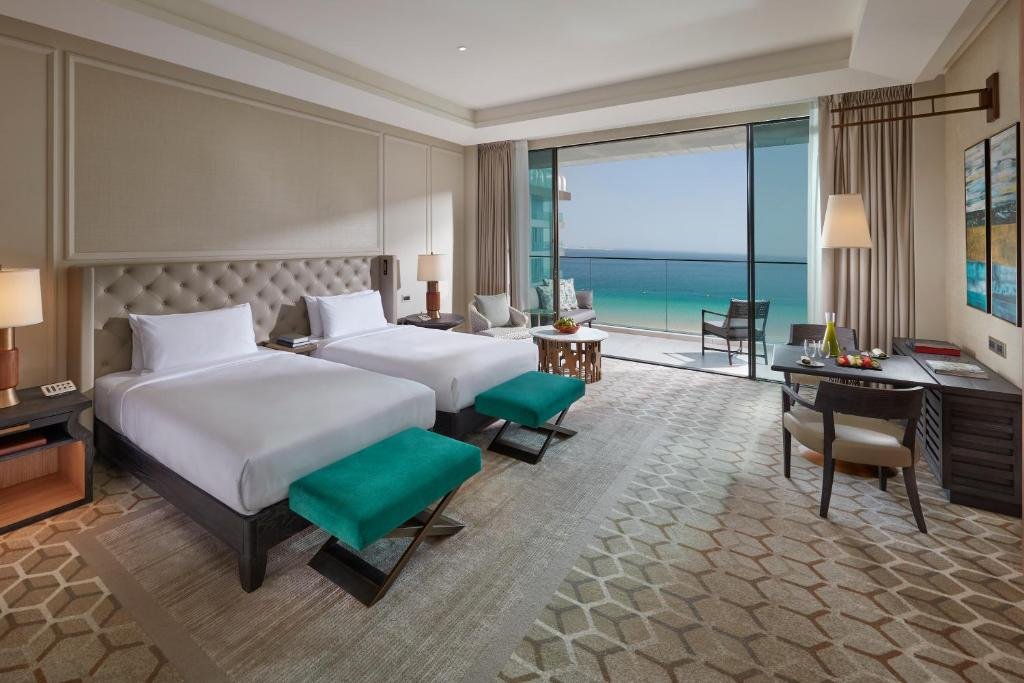
The largest hidden cost is the one the hotel has least control over, and it varies wildly by destination. Dubai layers a 10 percent service charge, a 7 percent municipality fee, 5 percent VAT, and a per-room "Tourism Dirham" fee of AED 20 per night at 5-star properties — so a quoted rate at Mandarin Oriental Jumeira, Dubai carries roughly 22 percent on top unless the quote says "inclusive." The United States adds occupancy taxes of roughly 12 to 17 percent depending on the city, plus flat per-night surcharges in some, and — the American speciality — "resort" or "destination" fees of US$30 to 75 a night bundling Wi-Fi, gym access, and "amenities" that a genuine luxury property includes anyway; most true 5-stars refuse these on principle, and their presence is a tier signal. Italy charges a per-person, per-night city tax scaled by star rating — up to €10 per person per night for 5-star hotels in Rome, and around €5 in Venice — collected at the desk and never in the online rate. Japan levies accommodation taxes in Tokyo, Osaka, and Kyoto; Kyoto's is tiered by room rate and, under its 2026 revision, climbs steeply for rooms above ¥100,000 a night, so a stay at The Ritz-Carlton, Kyoto now carries a meaningful per-person nightly levy. Australia is the relief: its 10 percent GST must be included in the displayed price by law, so Park Hyatt Sydney's quoted rate is the rate. Fiji combines 15 percent VAT with a 10 percent environment levy, usually shown inclusive by resorts but not always by third-party sites. The rule: before booking anywhere, ask for the total inclusive of all taxes, fees, and service charges — the only number that survives checkout.
On-Property Charges: Where the Folio Grows
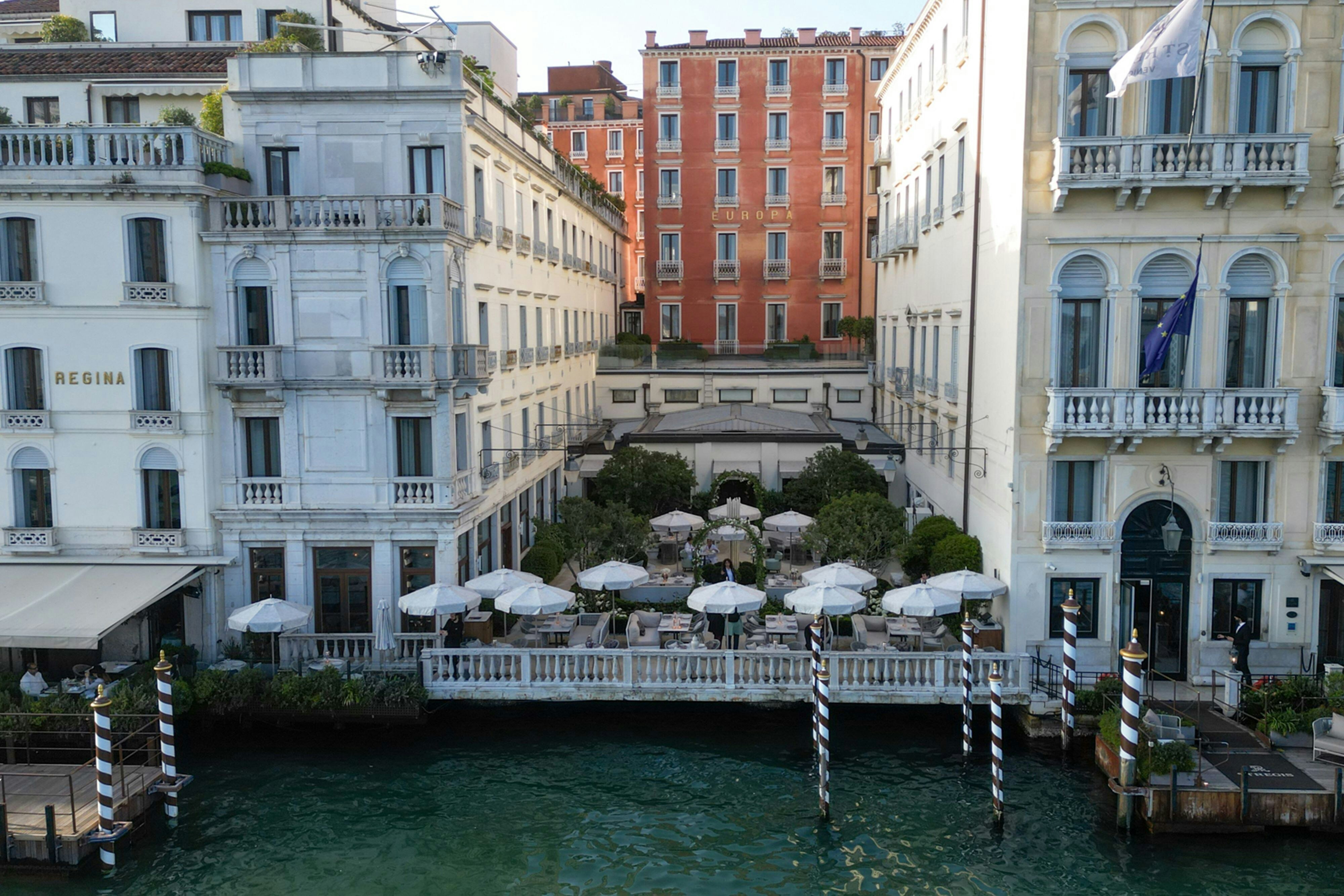
Inside the hotel the costs are predictable, which is exactly why they catch people — nobody budgets for the predictable. Breakfast is the big one: US$40 to 90 per person at the top tier, US$80 to 180 a day for two, and billed unless your rate or booking channel includes it. Transfers by house car run US$100 to 300 each way; a water taxi to The St. Regis Venice's private dock is in the same range. Parking in American and European city centres is US$60 to 90 a night for valet — a four-night stay can add the price of a fifth. Minibar pricing at luxury properties is deliberate: a bottle of water can cost what a café charges for lunch, and some rooms carry sensor bars that charge when an item is lifted. Laundry and pressing are priced per piece at rates that surprise everyone the first time. In-room dining stacks a delivery charge, a service charge, and, in the United States, an expected gratuity on top of the menu price. Spa treatments carry automatic service charges of 18 to 20 percent in many markets. Kids' clubs are free at some resorts and US$100-plus per session at others; late checkout beyond an hour or two is often billed as a half-day; and early check-in can be charged where a room must be held overnight. None of these are scandals — they are the running costs of a staffed operation — but they are why the question "what's included?" matters more at 5-star than at any other tier.
The Ones That Mark a Property as Less Than Luxury
A short list of charges should not appear on a genuine 5-star folio, and each is worth reading as a warning about the property. Wi-Fi fees — a luxury hotel charging for connectivity, or gating "premium" speed behind a fee, is operating a mid-market playbook. Gym or pool access charges: facilities that come with the rate at any real luxury property. Resort fees for basics — bottled water, coffee, towels, newspapers, local calls — packaged as "amenities." Extra-person fees for a second adult in a room built for two. Housekeeping "opt-in" upsells, where daily service has quietly become a request. And the subtler modern ones: dynamic currency conversion, where the desk offers to charge your card in your home currency at a 3 to 5 percent worse rate — always decline and pay in the local currency — and incidental holds that release slowly, tying up US$100 to 300 a night on a card for a week after checkout. When you see these, you are not being nickel-and-dimed by a great hotel; you are learning that the hotel is not what its stars suggested, which is exactly the fake-versus-real signal covered in our earlier guide.
Three Habits That Keep the Quote and the Bill Together
One: ask for the all-in number before you book. A single email or advisor question — "total for three nights including all taxes, fees, and service charges, and the price of breakfast and airport transfer" — surfaces 90 percent of hidden costs before they exist. Two: check the folio every morning, not at checkout. Every luxury property will print or send your running bill on request; a US$45 minibar error or a double-charged dinner is trivial to fix on day two and tedious on the morning of a flight. Review the final folio line by line at checkout, and query anything unfamiliar politely and specifically — genuine 5-stars remove disputed minor charges almost reflexively. Three: pay in local currency and decline the conversion. Use a card with no foreign-transaction fee, refuse dynamic currency conversion at the desk and on the terminal, and ask when the incidental hold will release. Add two smaller habits — order breakfast in-room only if it is included or priced, and ask the concierge for transfer and parking prices at booking rather than arrival — and the checkout total stops being a surprise.
The Channel That Turns Hidden Costs Into Included Ones
The most effective defence is not vigilance; it is booking through a channel that moves the biggest hidden costs into the included column before you arrive. The luxury brands' invitation-only preferred-partner programmes — Marriott STARS, Belmond Bellini Club, Hyatt Privé, Rosewood Elite, Four Seasons Preferred Partner, Mandarin Oriental Fan Club, IHG Destined — price at exactly the hotel's own flexible rate and attach, contractually: daily breakfast for two (the single largest on-property cost, gone), a US$100-plus property or spa credit per stay (which absorbs the spa service charge, the transfer, or a dinner), upgrade priority, early check-in and late checkout where available (the two "fees" most often charged elsewhere, waived), and VIP recognition that makes folio disputes disappear faster. Booked through WhataHotel! — operated by Lorraine Travel, a luxury advisory since 1948 — you also get an advisor who quotes the all-in total up front and advocates on your behalf if a charge is wrong. Taxes are the government's; everything else on the hidden-cost list is either included, credited, or waived. That is the difference between a 5-star folio that surprises you and one that matches the number you agreed to.