How to Get the Best Rate at a Luxury 5-Star Hotel
The best rate at a genuine 5-star hotel is almost never a discounted room rate — luxury brands enforce rate parity, so the same flexible price appears on the hotel's website, the booking platforms, and through advisors on the same night. The real savings live in three other places: timing (shoulder seasons and the right days of the week routinely cut 30 to 50 percent off the same room), legitimate offers (stay-longer promotions, advance-purchase rates, and seasonal packages the hotel itself publishes), and the booking channel's included value (a preferred-partner reservation attaches daily breakfast for two, a US$100-plus property credit, and upgrade priority at that same parity rate — typically US$400 to 700 of value over three nights). Stack all three and a 5-star stay can cost less than a 4-star booked carelessly in peak season. This guide explains why the headline number rarely moves, which levers actually do, the "deals" that quietly cost more than they save, and the formula that produces the lowest true cost. It builds on what 5-star amenities are actually included and what's in the room itself.
Compare 5-Star Rates With Perks Included on WhataHotel
Why the Headline Rate Barely Moves: Rate Parity Explained
Travellers waste hours hunting for a cheaper version of a luxury room that does not exist. Every major luxury operator — Marriott's Ritz-Carlton and St. Regis, Hyatt's Park Hyatt, Four Seasons, Rosewood, Mandarin Oriental, Belmond, IHG's Six Senses — runs rate parity: contractual agreements that the flexible rate distributed to booking platforms and advisors matches the flexible rate on the brand's own website. Most back it with a best-rate guarantee. The practical consequence is that opening six tabs to compare the same night at The St. Regis Venice will show you the same number six times, give or take currency rounding. What does vary is what rides on that number: a platform booking usually arrives with nothing attached, a direct booking arrives with loyalty points, and a preferred-partner booking arrives with a contractual benefit package. Where you see a materially cheaper price for a genuine 5-star, it is almost always one of three things — a prepaid non-refundable rate, an opaque wholesale rate that the hotel does not recognise at check-in (no upgrades, no loyalty credit, last in line for room assignment), or a different room category dressed as the same one. The rate is not the lever. The calendar, the offer, and the channel are.
Timing: The Calendar Is Your Biggest Lever
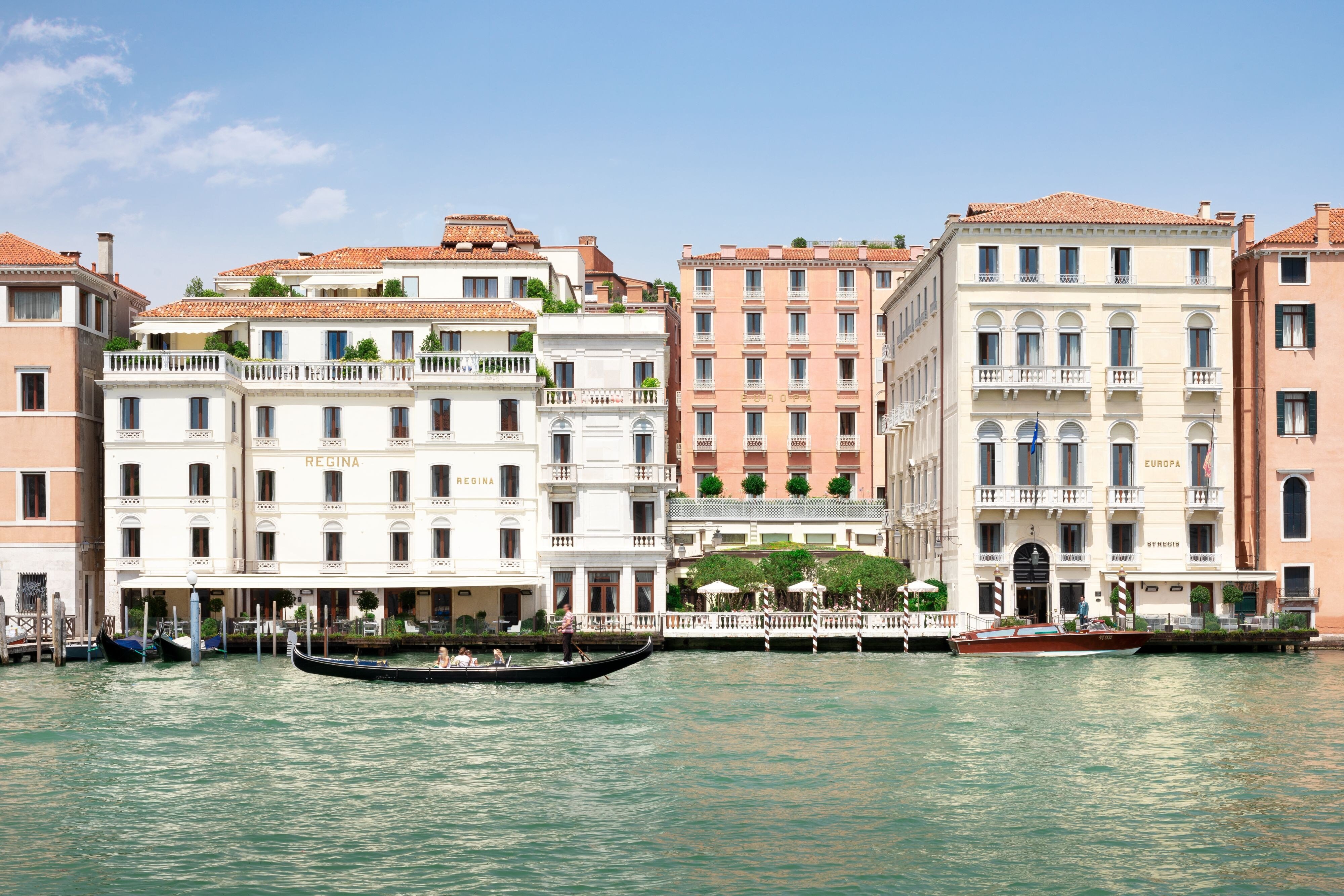
Nothing moves a luxury rate like the date. The same room at the same property can swing by half or more across the year, and the pattern is predictable once you know each destination's rhythm. Shoulder and low seasons: Venice is at its most expensive from Carnival through October and drops sharply from November to February outside Carnival week — the canal-front rooms at The St. Regis Venice that command peak pricing in September sit at a fraction of it in late January, with the city to yourself. Kyoto's peaks are cherry-blossom season (late March into early April) and autumn foliage (November); The Ritz-Carlton, Kyoto is markedly better value in the June rainy season and deep winter, when the Kamogawa is no less beautiful. Sydney's winter (June to August) is Park Hyatt Sydney's softest period despite being whale-migration season with mild, clear days. Fiji's wet season (November to April) brings Six Senses Fiji's lowest rates, and Dubai's summer (June to September) is when Mandarin Oriental Jumeira's beachfront rooms cost the least of the year, sea temperatures notwithstanding. Day of week: city hotels that live on business travel — Bulgari Hotel Roma, The St. Regis Venice in the off-season, The Ritz-Carlton, Kyoto — are cheapest Friday to Sunday; resorts that live on weekend leisure — Rosewood Miramar Beach, Six Senses Fiji — are cheapest Sunday to Thursday. Booking window: luxury hotels rarely dump rates last-minute; their revenue systems would rather hold price and sell fewer rooms. Book 30 to 90 days out for the best combination of rate and room choice, and note that low-occupancy dates are also when upgrade priority actually converts into a better room.
Offers That Actually Cut the Bill
Because the flexible rate is fixed, the discounts luxury hotels do offer are structured — and they are worth knowing by name. Stay-longer offers are the most valuable: third-night-free and fourth-night-free promotions run periodically across the top brands (Rosewood, Belmond, Four Seasons, and Mandarin Oriental all cycle them seasonally), and a fourth night free on a three-night plan is a 25 percent cut on the whole stay. Advance-purchase rates typically shave 10 to 20 percent for paying in full at booking, non-refundable — worth it only when your dates are certain, which we return to below. Seasonal and opening packages bundle credits, transfers, or experiences at a modest premium; the good ones are those where the bundled item is something you would have bought anyway, such as the airport transfer or the dinner. Suite-specific promotions appear when a property wants to move its top inventory — the moment a suite is priced within 20 percent of the room below it, the suite is the value. The two rules of thumb: read offers on the hotel's own site, since brands publish everything they run, and ask whether an offer is combinable with your booking channel's benefits. Many are — Belmond, for one, states its Bellini Club advisor benefits combine with the property's exclusive offers — which means the free night and the daily breakfast can sit on the same reservation.
The False Economies: "Deals" That Cost More Than They Save
Several savings that look real on a booking page evaporate at the folio or the front desk. Platform "discounts" on luxury rooms are usually a stripped rate: no breakfast, no credit, no loyalty recognition, and — because the hotel sees the booking as low-yield — last priority for room assignment and upgrades. Saving 8 percent on the rate while forgoing US$150 of daily breakfast for two is a loss, not a deal. Prepaid non-refundable rates are a genuine discount that becomes a genuine trap the moment plans change; at this price tier a single cancelled night can erase a year of careful booking. Points redemptions are often poor value at the top end — burning 100,000-plus points for a room that costs US$900 is a worse conversion than most travellers realise, and a cash booking that earns points while carrying included benefits frequently comes out ahead. "Member rates" on brand sites are typically 2 to 5 percent and do not stack with much. And resort and destination fees, where they exist, can quietly add US$50 to 100 a night that a headline comparison never shows — a reason to compare total cost, not nightly rate. The simplest defence is to price every option as total cost for the whole stay including what you will actually consume, which is the only comparison that survives contact with the checkout desk.

The Best-Rate Formula: Same Rate, More Included
Put the three levers together and the formula is short. Pick the date your destination is soft; take any published stay-longer or seasonal offer that fits your plan; and book through the channel that attaches value to the parity rate. That last step is the invitation-only preferred-partner programmes — Marriott STARS, Belmond Bellini Club, Hyatt Privé, Rosewood Elite, Four Seasons Preferred Partner, Mandarin Oriental Fan Club, IHG Destined — which price at exactly the hotel's own flexible rate and add, contractually: daily breakfast for two (US$40 to 90 per person at this tier), a US$100-plus property or spa credit per stay, upgrade priority at check-in, early check-in and late checkout where available, and VIP welcome recognition. Over three nights that is routinely US$400 to 700 of value that the guest in the next room — same rate, booked on a platform — is paying for à la carte, and in most cases the reservation still earns the brand's loyalty points. Booked through WhataHotel! — operated by Lorraine Travel, a luxury advisory since 1948 — a soft-season stay with a stay-longer offer and the programme benefits attached is, in true total-cost terms, the lowest price a genuine 5-star hotel will ever give you.