The Ritz-Carlton, Kyoto is among the most architecturally significant urban-luxury properties in the broader Japanese luxury market — and the property where the Ritz-Carlton brand's specific approach to contemporary Kyoto luxury hospitality has been most carefully calibrated for the substantial Kamogawa River context. Set on the substantial banks of the Kamogawa (Kamo) River at the Nijo-Ohashi bridge in Nakagyo-ku (a riverside site favoured by Japanese nobility since the 17th century, designed by architecture firm Nikken Sekkei with interiors by Remedios Studio, opened in February 2014 on the former Hotel Fujita Kyoto site), the property opened with a substantial Ritz-Carlton brand identity calibrated for the substantial Heian-era Kyoto cultural context. The 134 rooms and suites (the largest average room size in Kyoto), the celebrated multi-restaurant programme (including the four-part Mizuki Japanese collection and the substantive La Locanda Italian configuration), the dedicated La Prairie Spa (Asia's first La Prairie hotel spa), the substantive Kamogawa-River-and-Higashiyama orientation (approximately 15 minutes from Kyoto Station), the substantial Japanese-garden-and-waterfall programming, and the substantial Marriott STARS preferred-partner benefits together produce a Kyoto luxury experience meaningfully different from the alternative regional accommodations. For broader context, see our Best Luxury Hotels in Japan guide and the Ritz-Carlton chain guide.
Check Rates & Exclusive Perks at The Ritz-Carlton, Kyoto
The Setting: The Kamogawa River and Central Kyoto
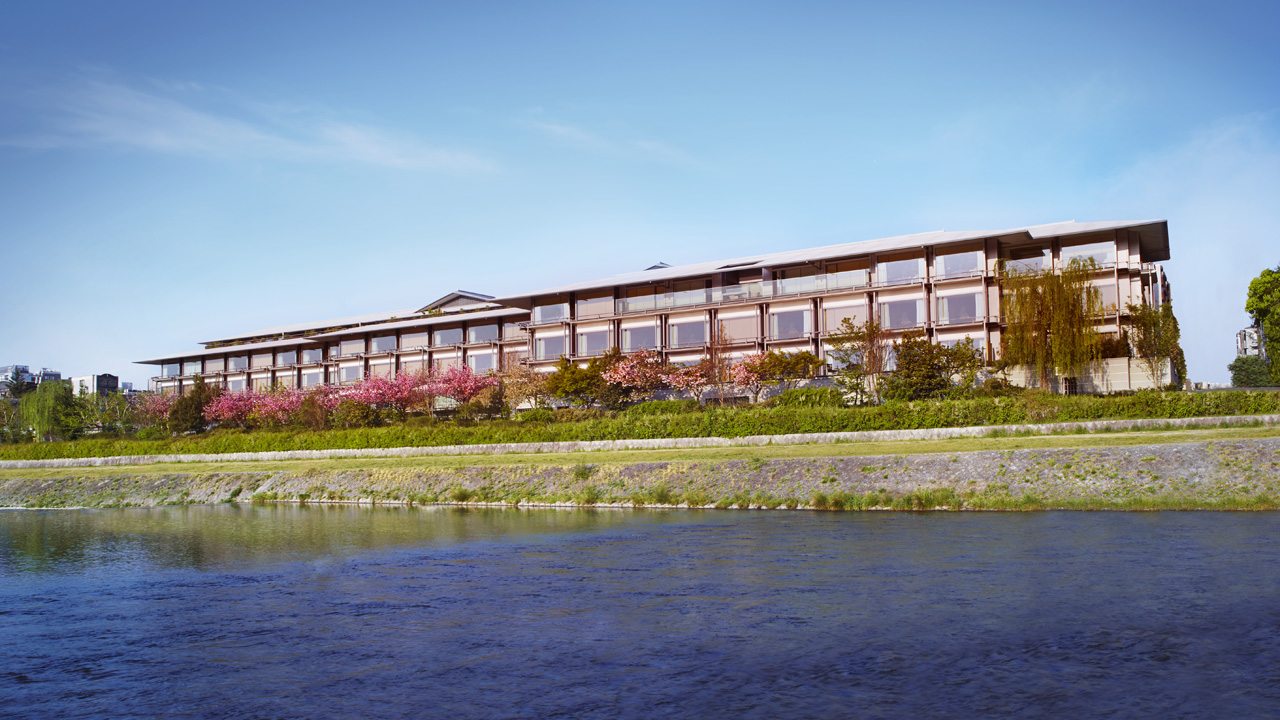
The Ritz-Carlton, Kyoto occupies the substantial Kamogawa River position at the Nijo-Ohashi bridge — in the substantial central Nakagyo ward of the ancient capital. The position produces several specific advantages over the alternative Kyoto luxury accommodations. First, the substantial riverside-and-mountain context: the property is positioned along the substantial dedicated Kamogawa River bank with the substantive Higashiyama Mountains beyond (the substantial dedicated river-and-Daimonji orientation, the substantive engawa-verandah relationship to the water, and the substantive broader central-Kyoto setting — among the most-substantive single riverside settings in the broader Japanese luxury market). Second, the substantial central Kyoto circuit: the property is positioned for substantial walking-and-short-drive access to the substantial Gion geisha quarter and the celebrated Pontocho lantern-lit alley (a short walk across the river), the dedicated Nijo Castle (approximately 2 kilometres), the substantive Kyoto Imperial Palace, the substantial Kyoto Station (approximately 15 minutes by car), and the substantive broader Higashiyama temple circuit. Third, the substantial Kyoto summer programming: the property is positioned for the substantial dedicated Kamogawa summer yuka riverside-dining-platform season and the celebrated Gozan no Okuribi (the August 16 Daimonji bonfire lit on the Higashiyama mountainside directly visible from the riverfront — among the most-substantive single seasonal spectacles in the broader Kyoto cultural calendar).
The architectural philosophy emphasises the substantial Heian-era Kyoto architectural vocabulary — the dedicated Nikken Sekkei low-rise envelope (the substantial seven-storey-above-ground and three-storey-underground configuration conceived to meet Kyoto's strict height limits and harmonise with the cityscape), the substantive Remedios Studio interior identity (the dedicated ryotei-and-engawa inspiration, the Zen rock gardens, and the water features), the celebrated collection of more than 400 mostly Kyoto-based artworks themed on the eleventh-century Tale of Genji, and the carefully calibrated contemporary Kyoto-and-Ritz-Carlton luxury vocabulary. The result is meaningfully different from the more resort-oriented Kyoto luxury alternatives (the substantial Aman Kyoto forested-foothills configuration, the dedicated Park Hyatt Kyoto Higashiyama-hillside identity, the substantial Four Seasons Kyoto pond-garden configuration). The Ritz-Carlton, Kyoto's specific identity is the central-riverside-and-Kamogawa calibration of the broader Ritz-Carlton brand standard for the Kyoto context.
The Room Categories and the Contemporary Kyoto Interior Identity
The Ritz-Carlton, Kyoto operates 134 rooms and suites across the substantial low-rise riverside configuration. The accommodations are organized across the substantial property with the room categories reflecting the substantial contemporary Kyoto-and-Ritz-Carlton interior identity and the dedicated river-or-garden orientation — and, at an average of roughly 50 square metres, the substantial distinction of the largest average rooms in Kyoto. The interiors carry the substantive Heian-inspired detailing with the dedicated tatami-and-washi accents.
The entry-level Deluxe Rooms feature the dedicated contemporary Kyoto-and-Ritz-Carlton interior detailing, the substantial garden or city orientation, and the substantive marble-and-tatami bathroom configuration. The dedicated Garden Terrace Suites feature the substantial private Japanese garden with the dedicated personal terrace deck and mountain views. The substantial Suite Tsukimi is the dedicated moon-viewing configuration — with the substantial private moon-viewing deck, the dedicated Daimonji-and-Higashiyama orientation, and the substantive garden with historic lanterns. The substantial Kamogawa Suite is the flagship configuration — with the substantial expanded riverside layout, the dedicated panoramic Kamogawa-and-Higashiyama orientation, the substantial expanded living-and-dining configuration, and the dedicated personalised service.
The Restaurant Programme and the Kyoto Culinary Identity
The Ritz-Carlton, Kyoto operates a substantial multi-restaurant programme calibrated to the substantive 134-key riverside property scale and the substantial Kyoto culinary market — one of the most refined dining cities in the world. The signature dining includes the substantial Japanese, Italian, and patisserie configurations with the dedicated riverside-and-garden orientation.
The substantial Mizuki is the property's signature Japanese configuration — a substantive four-part collection comprising the dedicated Kaiseki Mizuki, the substantial Sushi Mizuki (an eleven-metre Edomae counter with Wajima lacquerware), the dedicated Tempura Mizuki (a 2026 Michelin Guide selection), and the substantive Teppan Mizuki. The dedicated La Locanda is the property's Northern Italian configuration — set partly within the historic Ebisugawa-tei estate house preserved from the site and holding a Wine Spectator Best of Award of Excellence. The substantial Chef's Table by Katsuhito Inoue is the dedicated intimate Japanese-Italian fusion configuration, the substantive Lobby Lounge presents the celebrated afternoon tea featuring Pierre Hermé within a machiya-inspired setting, and The Bar completes the programme with the dedicated cocktail-and-curated-wine offering. The substantive Pierre Hermé Paris boutique — one of few in Japan — completes the offering.
The La Prairie Spa and the Wellness Programme
The La Prairie Spa at The Ritz-Carlton, Kyoto is the property's most operationally substantive wellness amenity — the substantial dedicated facility billed as Asia's first La Prairie hotel spa, positioned below the celebrated three-storey waterfall that runs from the lobby down into the spa level. The facility operates a substantial configuration of seven treatment rooms (including the dedicated private spa suite), the substantial heated indoor twenty-metre lap pool, the dedicated poolside dry-sauna-and-steam configuration, the substantive 24-hour fitness centre, and the specific signature treatments (the dedicated Harmonizing Stone Journey, the substantive Bamboo Vitality Ritual, and the Swiss Energizing Leg & Scalp Ritual) drawing on both the regional Kyoto wellness tradition and the contemporary La Prairie holistic wellness identity. The dedicated central Japanese garden with historic stone lanterns completes the operational programme.
Position in the Kyoto Luxury Market and the Marriott STARS Booking Through WhataHotel!
The Kyoto luxury market is substantial and competitively concentrated — the dedicated Aman Kyoto /[ID]/ forested-foothills configuration, the substantial Park Hyatt Kyoto /[ID]/ Higashiyama-hillside identity, the dedicated Four Seasons Kyoto /[ID]/ pond-garden configuration, the substantial HOTEL THE MITSUI Kyoto /[ID]/ Nijo-Castle Michelin-Key configuration, the dedicated Banyan Tree Higashiyama Kyoto /[ID]/ ryotei-and-onsen identity, the substantial Suiran Luxury Collection /[ID]/ Arashiyama-riverside configuration, and the substantive Hyatt Regency Kyoto /[ID]/ Higashiyama-museum configuration. The Ritz-Carlton, Kyoto's specific position among these is the combination: the substantial central Kamogawa riverside position, the substantial 2014 Nikken-Sekkei-and-Remedios-Studio contemporary-Heian identity, the substantial 134 rooms-and-suites scale with the largest average rooms in Kyoto, the substantial multi-restaurant programme (four-part Mizuki Japanese collection, historic-estate La Locanda, Pierre Hermé afternoon tea), the dedicated La Prairie Spa with twenty-metre lap pool and three-storey waterfall, the substantial Japanese-garden programming, and the Marriott STARS preferred-partner benefits.
The Ritz-Carlton, Kyoto books through the Marriott STARS preferred-partner programme (bookable only through a credentialed STARS travel advisor — not on Marriott.com). The benefits at this property include daily breakfast for two at the restaurant or in-room, a US$100 property credit per stay (typically applied at Mizuki, La Locanda, the Lobby Lounge programming, The Bar, or the La Prairie Spa), upgrade priority at check-in (the Deluxe Room to Garden Terrace Suite upgrade is the primary value lever), early check-in and late checkout on priority basis, and a personalised welcome amenity. The Marriott STARS rate matches the rate on ritzcarlton.com directly. The advisor team specifically supports the substantial combined-Japan programming with the substantial sister The Ritz-Carlton, Tokyo /[ID]/ and The Ritz-Carlton, Nikko /[ID]/ for the substantial multi-property Japan identity and the substantial dedicated Kyoto peak-summer cultural programming.