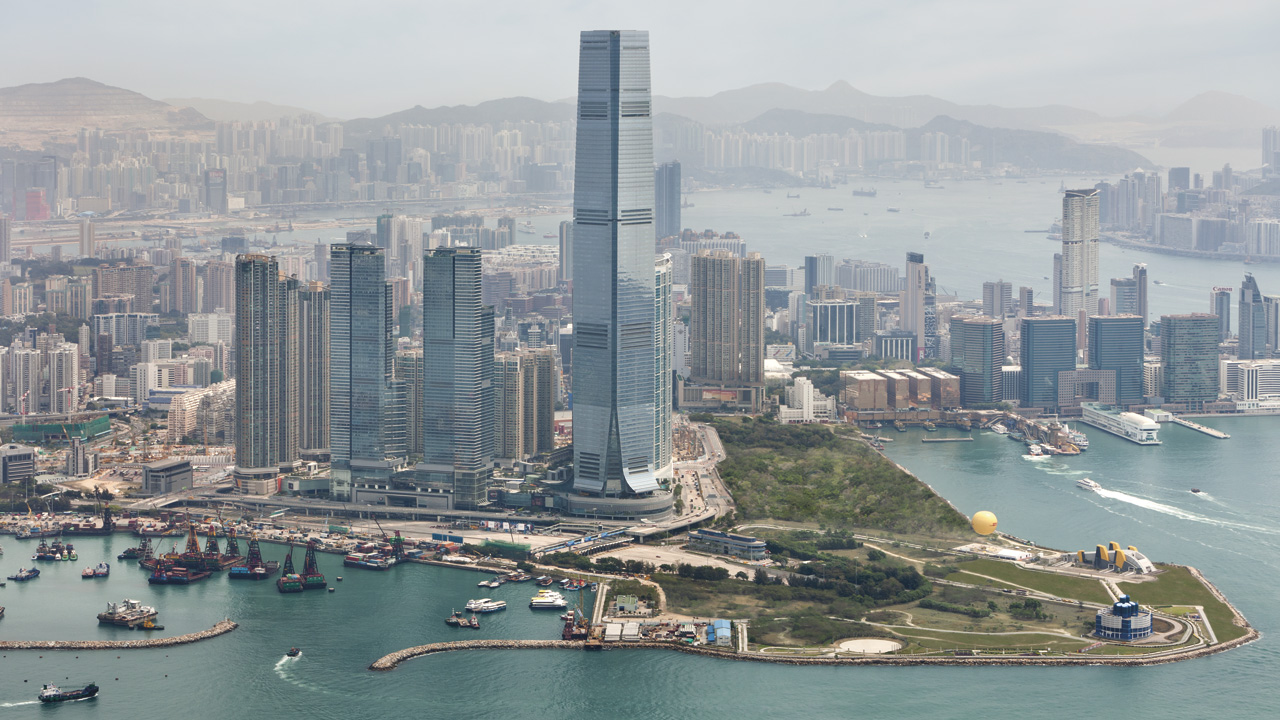
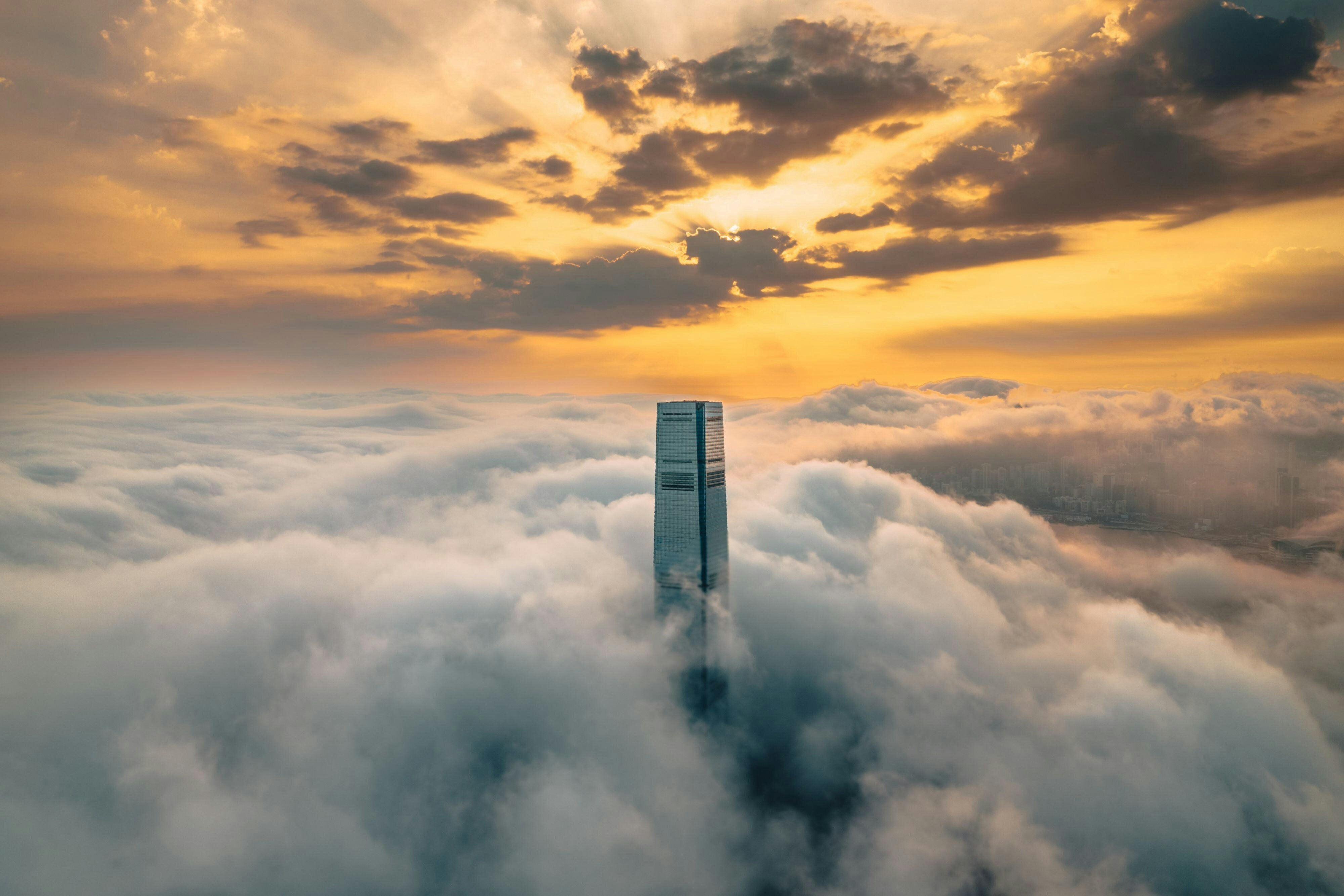
The Ritz-Carlton, Hong Kong is among the most architecturally distinctive luxury hotels in the world — and the property where the Ritz-Carlton brand's specific approach to vertical metropolitan luxury reaches its global apex. Opened in 2011 occupying floors 102 through 118 of the International Commerce Centre (the tallest building in Hong Kong, in the West Kowloon district), the hotel is among the highest hotels in the world, with the unobstructed panoramic Victoria Harbour view across to Hong Kong Island. The 312 rooms and suites, the celebrated Tin Lung Heen Cantonese restaurant (a two-Michelin-star fine dining destination) and the broader restaurant programme, the dedicated Ritz-Carlton Spa, the world's highest bar at Ozone on the 118th floor, and the Marriott STARS programme together produce a Hong Kong luxury experience that the alternative Hong Kong luxury properties cannot match. For broader context, see our Best Luxury Hotels in Hong Kong guide and the Ritz-Carlton chain guide.
The Setting: The International Commerce Centre and West Kowloon
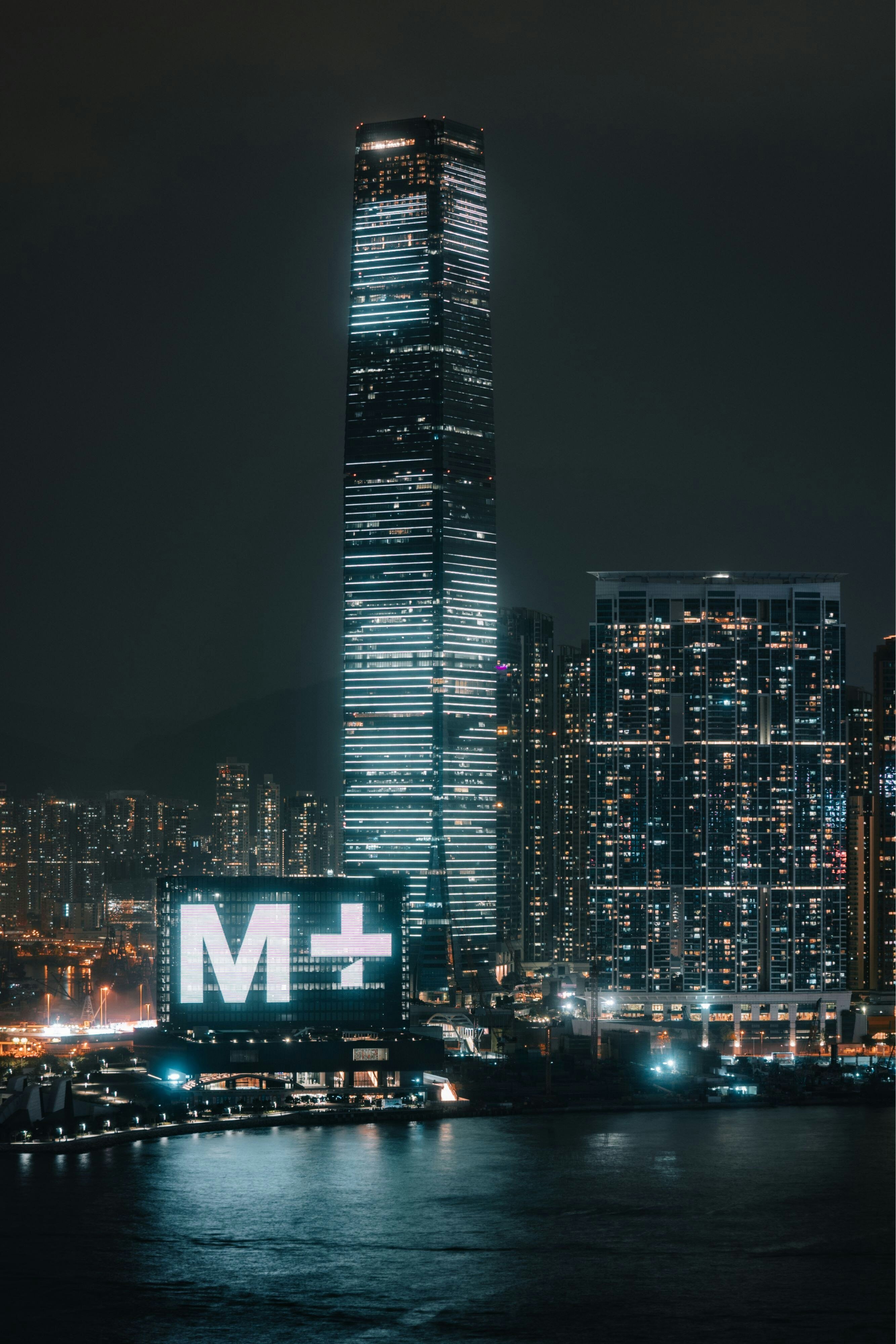
The Ritz-Carlton, Hong Kong occupies floors 102 through 118 of the International Commerce Centre (the ICC) — the tallest building in Hong Kong, in the substantial West Kowloon district at the heart of Hong Kong's contemporary development. The position produces several specific advantages over the alternative Hong Kong luxury accommodations. First, the vertical position: the hotel occupies the top floors of the 118-storey ICC tower, among the highest hotels in the world — the unobstructed panoramic Victoria Harbour view across to Hong Kong Island and the substantial Hong Kong cityscape is essentially unmatched among the world's luxury hotels. The substantial elevation produces a fundamentally different luxury experience from the harbour-level alternatives (the Peninsula Hong Kong, the Rosewood Hong Kong, the Four Seasons Hong Kong). Second, the West Kowloon position: the property is at the heart of the substantial West Kowloon development — the dedicated West Kowloon Cultural District (the substantial M+ contemporary art museum, the Hong Kong Palace Museum, the dedicated Xiqu Centre), the substantial Elements shopping mall directly at the ICC base, and the dedicated Airport Express connection (the property is approximately 24 minutes from Hong Kong International Airport by the dedicated Airport Express from the adjacent Kowloon station). Third, the Victoria Harbour access: the property's West Kowloon position supports the substantial Victoria Harbour programming (the dedicated Star Ferry, the substantial Tsim Sha Tsui waterfront promenade, the dedicated Symphony of Lights nightly harbour light show).
The architectural and interior philosophy emphasised the substantial vertical-metropolitan luxury identity — the contemporary interiors developed for the elevated position, with the dialogue between the substantial contemporary luxury vocabulary and the dedicated Chinese-influenced contemporary design detail. The substantial floor-to-ceiling window programming across the elevated floors produces the most architecturally distinctive single feature — the unobstructed panoramic Hong Kong-and-Victoria-Harbour view across essentially every public space and accommodation.
The Room Categories: 312 Across Multiple Tiers
The Ritz-Carlton, Hong Kong operates 312 rooms and suites across floors 102 through 117 of the ICC tower (the 118th floor houses the dedicated Ozone bar and the swimming pool). The room categories reflect both the floor position and the specific view orientation — and at the Ritz-Carlton Hong Kong, the view orientation is the defining differentiation (the Victoria Harbour-and-Hong-Kong-Island direction or the substantial Kowloon-and-mainland orientation).
Deluxe Room (the entry-level luxury accommodation)
The Deluxe Rooms — at 50 sq m, with the contemporary luxury palette and the substantial floor-to-ceiling window orientation — are the property's standard accommodation, and they meaningfully exceed the typical Hong Kong luxury hotel room standard. The configuration includes the marble bathroom with the dedicated Ritz-Carlton amenities programme, the king bed with the substantial linen specification, the substantial floor-to-ceiling window with either the Kowloon or harbour orientation, and the carefully calibrated contemporary luxury palette. The substantial elevation means even the entry-level Deluxe Room delivers a fundamentally distinctive elevated city view.
Grand Harbour Room and Club configurations (the upgraded view tiers)
The Grand Harbour Rooms feature the unobstructed direct Victoria Harbour-and-Hong-Kong-Island view — the defining view orientation at the property. The Club-level configurations add access to the dedicated Club Lounge (the substantial Club Lounge on the elevated floor with the dedicated food-and-beverage presentations and the panoramic harbour view) — the most-requested specific categories for guests booking through the WhataHotel! preferred partner channel.
Suite and the flagship configurations
The Suites add separate living rooms with the substantial harbour orientation. The Ritz-Carlton Suite is the property's signature flagship single accommodation — the substantial living and dining areas across the elevated floor, the dedicated panoramic Victoria Harbour view, and the dedicated 24-hour butler service. The flagship configurations have hosted the substantial international cultural-and-business programming that the property's specific vertical-luxury position has supported across its operational history.
The Restaurant Programme: Tin Lung Heen, Tosca, and Ozone
Tin Lung Heen is the resort's signature Cantonese fine dining destination — the two-Michelin-star contemporary Cantonese restaurant on the 102nd floor, drawing on the regional Cantonese culinary tradition (the substantive contemporary Cantonese tradition, the dedicated dim-sum programme, the substantial Cantonese seafood-and-barbecue programmes) at the contemporary luxury level. The dining room's substantial elevated position with the panoramic harbour view, the substantial Chinese tea-and-wine programme, and the celebrated head chef's specific approach to the contemporary Cantonese tradition produce one of the most celebrated single Cantonese fine dining experiences in Hong Kong — a city that is itself the global centre of the Cantonese culinary tradition.
Tosca di Angelo is the dedicated Italian fine dining destination — the Michelin-starred contemporary Italian restaurant on the 102nd floor with the substantial elevated position and the panoramic view. Ozone on the 118th floor is among the most distinctive single bars in the world — the world's highest bar, with the substantial cocktail programming, the dedicated outdoor terrace configuration, and the unobstructed panoramic view across Victoria Harbour and the broader Hong Kong cityscape. Ozone has been consistently ranked among the world's most distinctive hotel bars across the property's operational history. The dedicated Café 103 and the broader dining programming complete the operational programme.
The Ritz-Carlton Spa and the 118th-Floor Pool
The Ritz-Carlton Spa at Hong Kong occupies a dedicated wellness facility with multiple treatment rooms, the dedicated couples' suite, and the specific signature treatments drawing on both the regional Chinese wellness tradition (the substantive Traditional Chinese Medicine-influenced wellness programming, the dedicated Chinese botanical aromatherapy programme) and the contemporary international luxury spa standards. The property's most distinctive single wellness amenity is the dedicated 118th-floor swimming pool — among the highest hotel swimming pools in the world, with the substantial LED-ceiling configuration (the dedicated LED-screen ceiling above the pool produces a substantial atmospheric experience) and the panoramic Victoria Harbour view. The dedicated fitness facility on the elevated floor completes the operational programme — the substantial elevated wellness amenities are among the most architecturally distinctive single wellness configurations in the global luxury hotel market.
Position in the Hong Kong Luxury Market
Hong Kong's luxury hotel market is among the most concentrated and prestigious luxury hotel markets in Asia — the Peninsula Hong Kong (the iconic 1928 heritage flagship in Tsim Sha Tsui), the Rosewood Hong Kong (the contemporary luxury at Victoria Dockside in Tsim Sha Tsui), the Four Seasons Hotel Hong Kong (the contemporary luxury in Central on Hong Kong Island), the Mandarin Oriental Hong Kong (the iconic heritage in Central), the Upper House (the dedicated boutique luxury in Admiralty), the St. Regis Hong Kong (the contemporary luxury in Wan Chai), and the broader Hong Kong luxury programming. The Ritz-Carlton, Hong Kong's specific position among these is the combination: the highest hotel in Hong Kong (floors 102-118 of the ICC tower, among the highest hotels in the world), the unobstructed panoramic Victoria Harbour view, the two-Michelin-star Tin Lung Heen Cantonese fine dining, Ozone (the world's highest bar) on the 118th floor, the 118th-floor swimming pool among the highest in the world, and the Marriott STARS preferred partner benefits. For the traveler whose Hong Kong motivation includes the maximum vertical-metropolitan luxury at the substantial elevated position with the panoramic harbour view, The Ritz-Carlton, Hong Kong is the strongest single recommendation.
The Marriott STARS Booking Through WhataHotel!
The Ritz-Carlton, Hong Kong books through the Marriott STARS preferred partner programme — the Ritz-Carlton brand's tier-1 preferred partner relationship that WhataHotel! holds across the global Marriott luxury portfolio. The benefits at this property include daily breakfast for two at Café 103 or in-room (the elaborate Asian-international breakfast configuration), $100 USD hotel credit per stay (typically applied at Tin Lung Heen, Tosca di Angelo, Ozone, or the Ritz-Carlton Spa), upgrade priority at check-in (the Deluxe Room to Grand Harbour Room or Club-level configuration upgrade is the primary value lever — and at the Ritz-Carlton Hong Kong, the upgrade to the harbour view is the defining value), early check-in and late checkout on priority basis, and a personalised welcome amenity. The STARS rate matches the rate on ritzcarlton.com directly. The benefits arrive at zero additional cost.
For the Marriott Bonvoy loyalty program member, the STARS booking stacks with Platinum, Titanium, and Ambassador elite benefits — the configuration that produces the strongest possible outcome at any Ritz-Carlton property. The Club-level upgrade at the Ritz-Carlton Hong Kong is among the most substantive Club Lounge experiences in the broader Ritz-Carlton portfolio — the dedicated elevated Club Lounge with the panoramic harbour view and the substantial food-and-beverage presentations.
When to Visit
Hong Kong's subtropical climate produces meaningful seasonal variation. The peak season runs from October through December — the dry, comfortable autumn-and-early-winter weather (daytime temperatures between 20°C and 27°C, lower humidity, the clearest skies of the year for the substantial harbour view) combined with the substantial Hong Kong cultural-and-business calendar. This is the peak rate season, with the substantial autumn business-and-cultural programming. The spring shoulder (March through May) delivers pleasant weather before the substantial summer humidity, with meaningfully good preferred partner availability.
The summer months (June through September) feature warmer-and-more-humid weather with the substantial typhoon-season probability (the peak typhoon probability in July-September) — the considered traveler weighs the typhoon-season probability, though the substantial elevation and the indoor luxury amenities produce a meaningfully comfortable experience. The winter months (January through February) deliver the substantial Chinese New Year programming (typically late January or February — among the most significant Hong Kong cultural-and-commercial moments, with the substantial harbour fireworks programming visible from the elevated position) and the cooler dry weather. For specific moments: the Chinese New Year (late January-February), the substantial Hong Kong Arts Festival (February-March), and the dedicated Hong Kong Sevens rugby (typically late March-early April) align with the broader seasonal calendar.