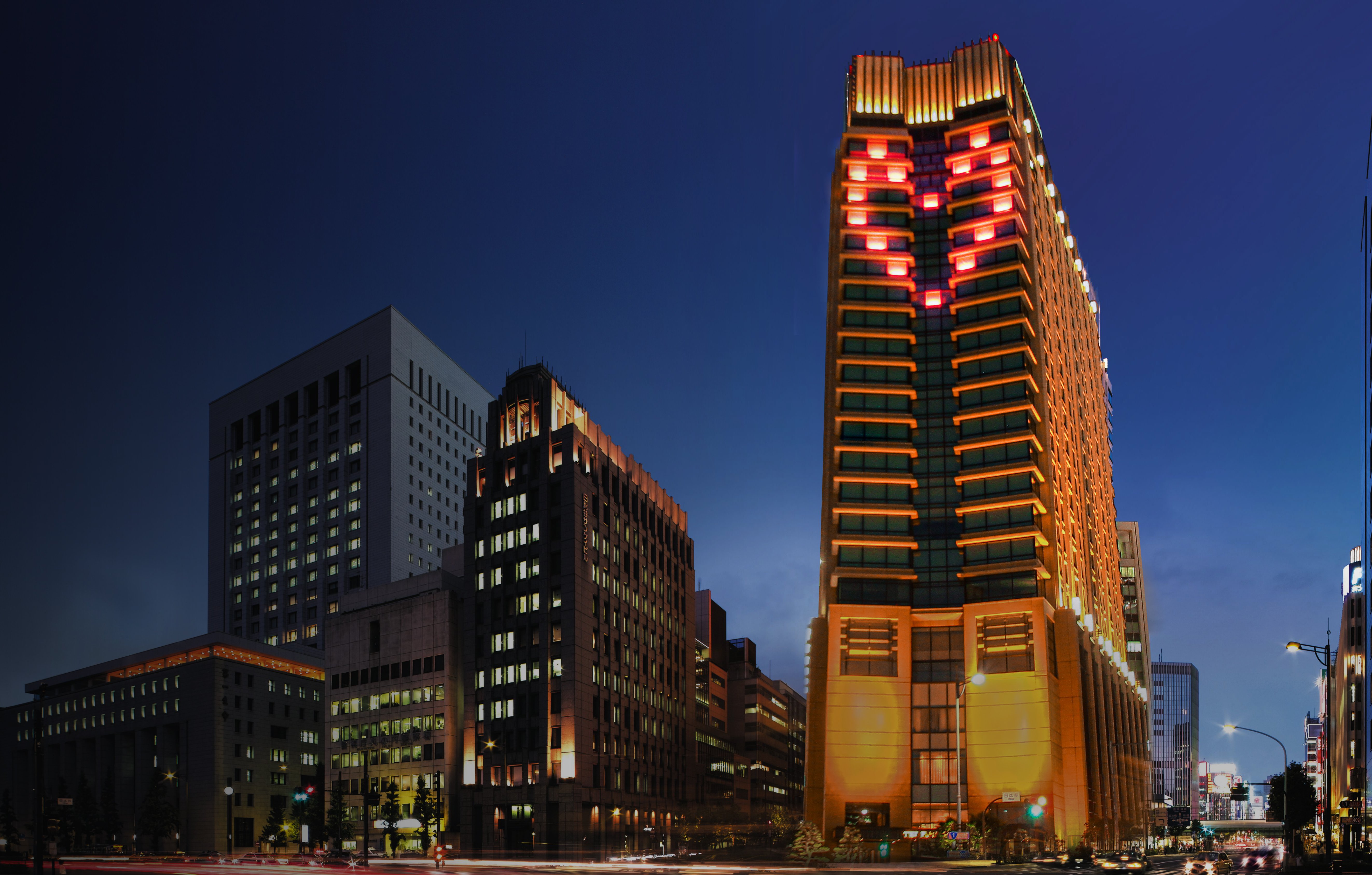
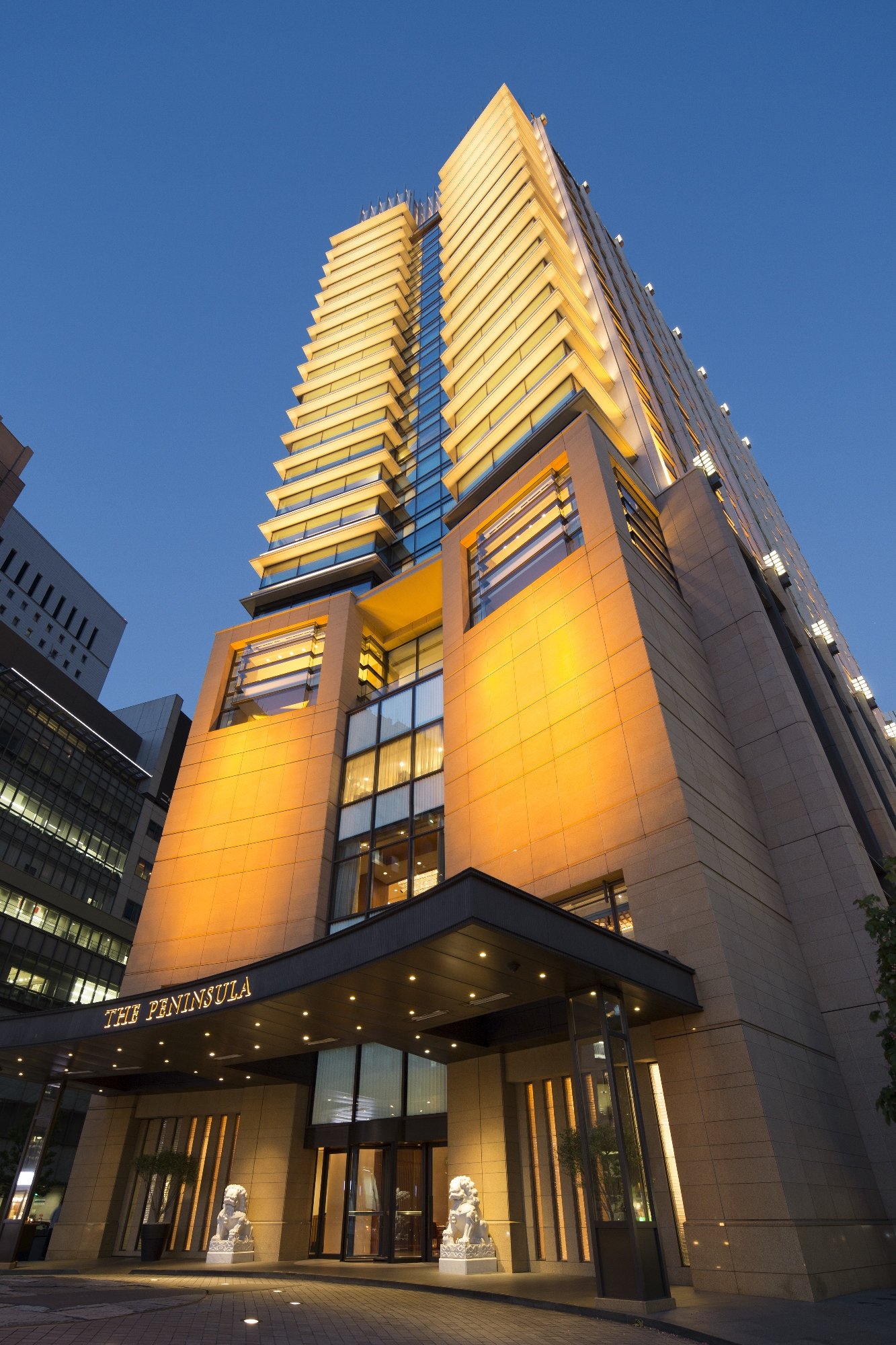
The Peninsula Tokyo is the most operationally complete expression of the Peninsula Hotels brand's specific approach to East Asian luxury hospitality outside the brand's Hong Kong heritage flagship — and the property where the Peninsula's commitment to its "Peninsula service philosophy" has been most carefully calibrated for the Japanese business and leisure markets. Opened in September 2007 directly facing the Imperial Palace and Hibiya Park in the heart of Tokyo's Marunouchi business district, the hotel occupies a dedicated 24-storey purpose-built tower with the unobstructed Imperial Palace garden view from every Imperial Palace-facing accommodation. The 314 guest rooms and suites, the celebrated Hei Fung Terrace contemporary Cantonese restaurant, Peter (the property's signature rooftop bar), the dedicated Peninsula Spa with the substantial Asian wellness programming, and the Peninsula brand's specific commitment to operational excellence together produce a luxury hotel where the Marunouchi business-district position has been most carefully calibrated for the international luxury market. For broader context, see our Best Luxury Hotels in Japan guide and the Peninsula Hotels chain guide.
The Setting: Marunouchi and the Imperial Palace
The Peninsula Tokyo occupies a dedicated 24-storey purpose-built tower in the heart of Tokyo's Marunouchi business district — the historic Tokyo financial quarter and the seat of essentially every major Japanese corporate institution, immediately adjacent to the Imperial Palace East Gardens and Hibiya Park. The position produces several specific advantages over the alternative Tokyo luxury hotels. First, the Imperial Palace adjacency: the property faces directly onto the Imperial Palace East Gardens and the Hibiya Park public open space, with the unobstructed Imperial Palace garden view from the Imperial Palace-facing rooms — a view orientation no other Tokyo luxury hotel can match at this scale. Second, the central position: Marunouchi is the geographic centre of Tokyo, with Tokyo Station immediately adjacent (supporting the shinkansen-bullet-train connections to Kyoto, Osaka, and the broader Japanese national rail network), the substantial Marunouchi commercial and retail concentration, and the substantial walking-distance access to the Ginza retail district, Nihonbashi, and the broader central Tokyo cultural sites. Third, the dedicated purpose-built tower: unlike the alternative central Tokyo luxury hotels that occupy upper floors of mixed-use commercial towers (Mandarin Oriental Tokyo, Aman Tokyo at Otemachi), The Peninsula Tokyo occupies a dedicated 24-storey purpose-built tower exclusively for the hotel operation, supporting the architectural and operational coherence that the brand's identity requires.
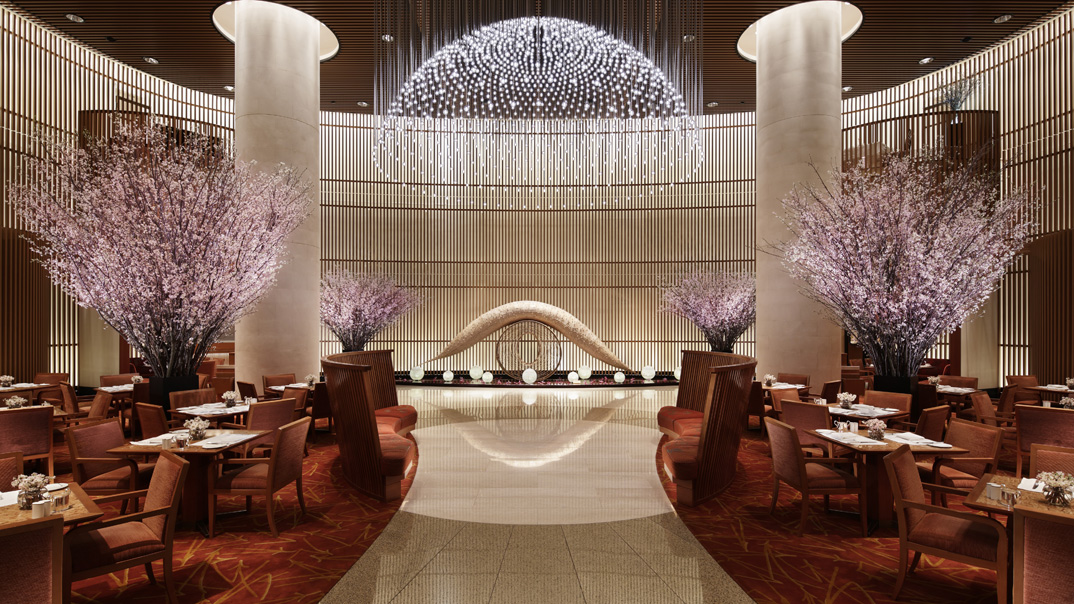
The architectural philosophy was developed by Kazuhiko Namba and the New York-based Hirsch Bedner Associates — emphasising the Japanese contemporary interpretation of the broader Peninsula Hotels architectural language. The materials palette emphasises the Japanese vernacular: the carved Hinoki cypress, the substantial natural-stone work, the dark polished granite, the woven washi paper light fixtures, and the substantial Japanese contemporary art programme that distinguishes the property from the more globally homogenised contemporary luxury hotel programmes. The result is the most architecturally Japanese-specific contemporary expression of the Peninsula Hotels brand in the global portfolio — meaningfully more deferential to the Japanese cultural identity than the brand's New York, Chicago, or Beverly Hills properties.
The Room Categories: 314 Across Multiple Tiers
The Peninsula Tokyo operates 314 guest rooms and suites across the property's 24-storey tower configuration — a meaningfully larger inventory than the smaller-scale Tokyo luxury boutique alternatives, supporting the broader operational programme that the Peninsula brand's identity requires. The accommodations are organized by floor (the lower floors with the Imperial Palace-direction or city-direction view, the upper floors with the panoramic views including Mount Fuji visibility from the western-facing upper floors), with the room categories reflecting both the floor position and the specific view orientation.
Deluxe Room (the entry-level luxury accommodation)
The Deluxe Rooms — at 54 sq m (581 sq ft), with floor-to-ceiling windows and the contemporary Japanese palette — are the property's standard accommodation. The configuration includes the marble bathroom with the deep ofuro-style soaking tub (the specific Japanese reference that the Peninsula's design language requires), the king bed with the substantial linen specification and the dedicated Peninsula bedside electronics control panel (the brand's signature in-room technology programme that the Peninsula has refined across its global property network), and the carefully calibrated view orientation that the room category supports. The Deluxe Room size meaningfully exceeds the typical Tokyo luxury hotel standard at the entry-level luxury tier.
Grand Deluxe Imperial Palace View and Grand Deluxe Park View (the upgraded view configurations)
The Grand Deluxe Imperial Palace View Rooms specifically feature the unobstructed direct Imperial Palace East Gardens view — the most photographically distinctive Tokyo hotel room view. The Grand Deluxe Park View Rooms feature the unobstructed Hibiya Park view with the substantial green open-space orientation. These categories are the most-requested specific configurations for guests booking through the WhataHotel! preferred partner channel — the upgrade priority specifically targets these tiers.
Suite categories (the larger configurations)
The Deluxe Suites add separate seating areas. The Premier Suites add separate living rooms with the wraparound Imperial Palace-and-city view configuration. The Imperial Suite at 305 sq m is the property's flagship single accommodation — three bedrooms, multiple living and dining areas, the substantial outdoor terrace with the most extensive Imperial Palace view at the property, the dedicated butler service, and the most architecturally distinctive single accommodation in the central Tokyo luxury market. The Imperial Suite has hosted heads of state, international celebrities, and the most significant private events in the property's contemporary history.
The Restaurant Programme: Hei Fung Terrace, Peter, and Tsuruya
Hei Fung Terrace is the resort's signature contemporary Cantonese fine dining destination — the menu drawing on the Hong Kong fine-dining Cantonese tradition that the broader Peninsula Hotels brand has refined across more than 90 years (the property's brand heritage rests on the original 1928 Peninsula Hong Kong, and the Hei Fung Terrace specifically references that culinary heritage). The dining room's elevated position, the substantial wine programme alongside the substantive Chinese rice wine and Japanese sake programmes, and the celebrated head chef's specific approach to the contemporary Cantonese culinary tradition produce one of the most architecturally and gastronomically distinctive Chinese restaurants at any Japanese luxury hotel.
Peter is the property's signature rooftop bar — the 24th-floor restaurant and bar designed by the celebrated Toronto-based Yabu Pushelberg practice, with the panoramic Tokyo skyline view including Mount Fuji visibility on clear days from the western-facing seating positions. The Peter cocktail programme and the substantial Japanese whisky programme make this one of the most architecturally distinctive single rooftop bars in central Tokyo. Tsuruya is the property's signature Japanese restaurant — the contemporary teppanyaki and Japanese fine dining configuration with the dedicated open-grill counter seating that the Japanese teppanyaki tradition specifically supports.
The Lobby serves the dedicated afternoon tea programme — the most architecturally distinctive afternoon tea venue at any Tokyo luxury hotel, with the Peninsula brand's signature afternoon-tea tradition (the original 1928 Peninsula Hong Kong afternoon tea establishing the brand's specific approach across the global property network) adapted for the Tokyo cultural context.
The Peninsula Spa and the Wellness Programme
The Peninsula Spa at Tokyo is the property's most operationally substantive amenity — a dedicated wellness facility with multiple treatment rooms, the dedicated couples' suite, the indoor wellness pool, and the specific signature treatments drawing on both Asian and Japanese wellness traditions. The signature programmes include the dedicated Japanese-tradition treatments (the deep ofuro-bathing experiences in private suites, the shiatsu pressure-point therapy delivered by qualified Japanese practitioners), the broader Peninsula brand wellness vocabulary, and the contemporary luxury spa standards calibrated to the international clientele. The dedicated 20-metre indoor swimming pool, the substantial sauna and steam circuit, and the dedicated fitness centre with the substantive equipment specification complete the operational programme.
Position in the Tokyo Luxury Market
Tokyo's luxury hotel market is the most concentrated cluster of luxury hotels in any global city. The market's principal competitors include the Aman Tokyo (the contemplative-Japanese specialist at the Otemachi Tower), the Park Hyatt Tokyo (the Lost in Translation cultural icon at Shinjuku), the Mandarin Oriental Tokyo (the 12-Michelin-star Nihonbashi property), the Ritz-Carlton Tokyo (the Roppongi Midtown tower), the Four Seasons Hotel Tokyo at Marunouchi (the immediate Marunouchi neighbour), the Bvlgari Hotel Tokyo, and the Imperial Hotel Tokyo. The Peninsula Tokyo's specific position among these is the combination: the only Peninsula Hotels property in Japan, the most operationally substantive purpose-built dedicated luxury hotel tower in central Tokyo, the unobstructed Imperial Palace garden view configuration, the Peter Yabu Pushelberg-designed rooftop bar, the substantial Peninsula service philosophy, and the Peninsula Partners preferred partner relationship. For the traveler whose Tokyo motivation includes the maximum operational substantiveness at the Peninsula's specific Asian luxury hospitality standard, The Peninsula Tokyo is the strongest single recommendation.
The Peninsula Partners Booking Through WhataHotel!
The Peninsula Tokyo books through the Peninsula Partners preferred partner program — the brand's tier-1 preferred partner relationship that WhataHotel! holds across the global Peninsula Hotels portfolio. The benefits at this property include daily breakfast for two at The Lobby or in-room (the elaborate Japanese-international breakfast configuration is among the most generous breakfast experiences in Tokyo's luxury market), $100 USD hotel credit per stay (typically applied at Hei Fung Terrace, Peter, Tsuruya, or the Peninsula Spa), upgrade priority at check-in (the Deluxe Room to Grand Deluxe Imperial Palace View Room upgrade is the primary value lever), early check-in and late checkout on priority basis, and a personalised welcome amenity. The Peninsula Partners rate matches the rate on peninsula.com directly. The benefits arrive at zero additional cost.
When to Visit
Tokyo's most pleasant weather runs across the two specific cultural-aligned windows: late March through early April (the cherry blossom season — the most internationally celebrated period for Tokyo travel, with the cherry trees of the immediately adjacent Imperial Palace East Gardens, Hibiya Park, and Aoyama Cemetery at their most photographically rewarding) and early-to-mid November (the autumn foliage season — the maple trees of the Imperial Palace East Gardens, Rikugien, and the Yoyogi area at their most photographically rewarding, with meaningfully better availability than the cherry blossom weeks). The Peninsula Tokyo's specific Marunouchi position places it within walking distance of the Imperial Palace East Gardens — supporting the cherry blossom and autumn foliage immersion that no other Tokyo luxury hotel can match at this proximity.
The summer months (July-August) are typically Tokyo's most humid; the winter months (December-February) are cold but produce the most reliable Mount Fuji visibility from the western-facing upper-floor rooms and the dedicated Peter rooftop bar. For specific cultural calendar moments: the Sumida River Fireworks Festival (late July, viewable from upper-floor rooms), the Tokyo International Film Festival (late October), and the Tokyo Marathon (typically early March, with the start point at the Tokyo Metropolitan Government Building and the substantial route through central Tokyo passing within proximity of the Peninsula Tokyo) produce the strongest cultural engagement and optimal preferred partner outcomes during the alignment windows.