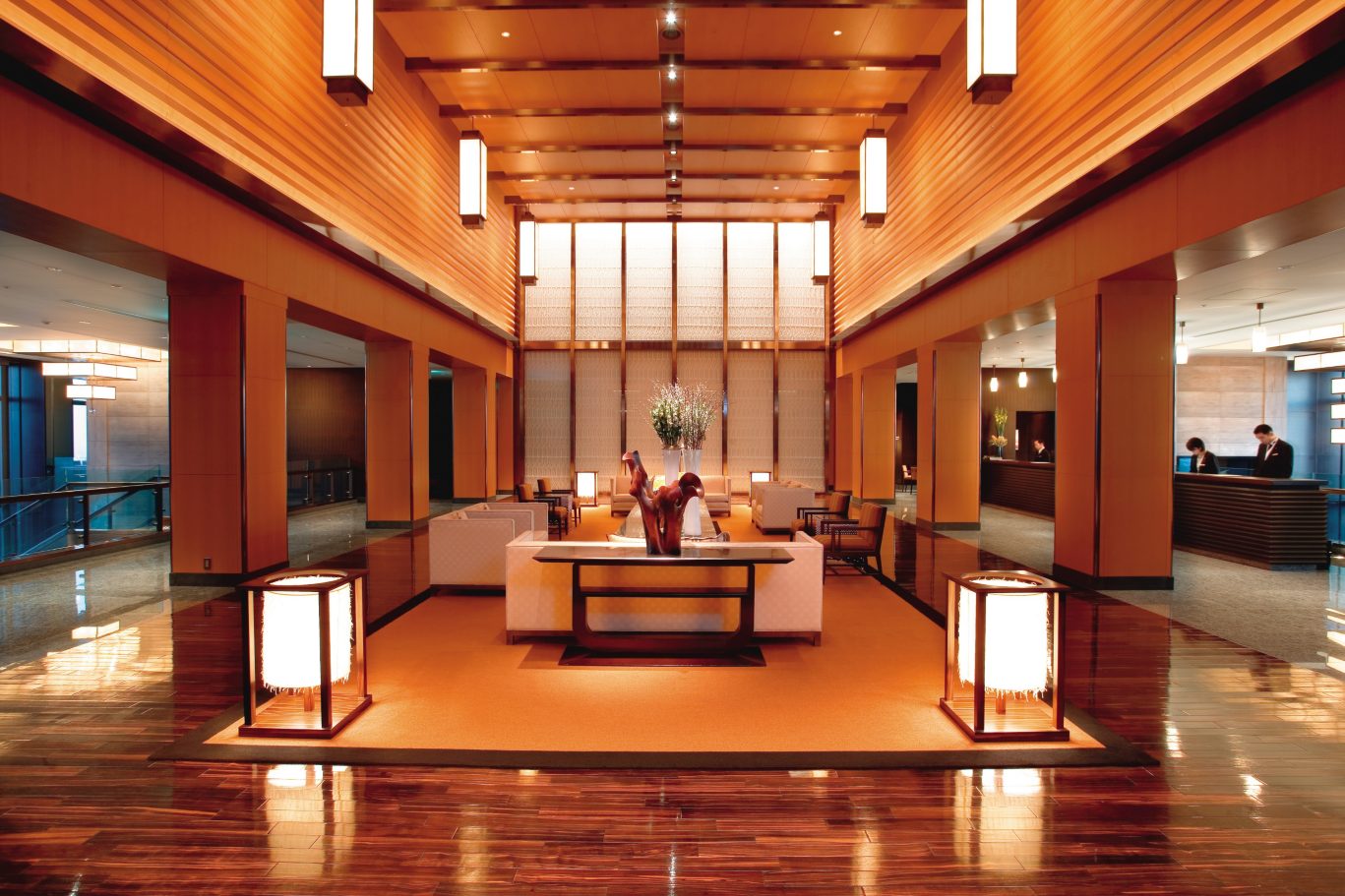
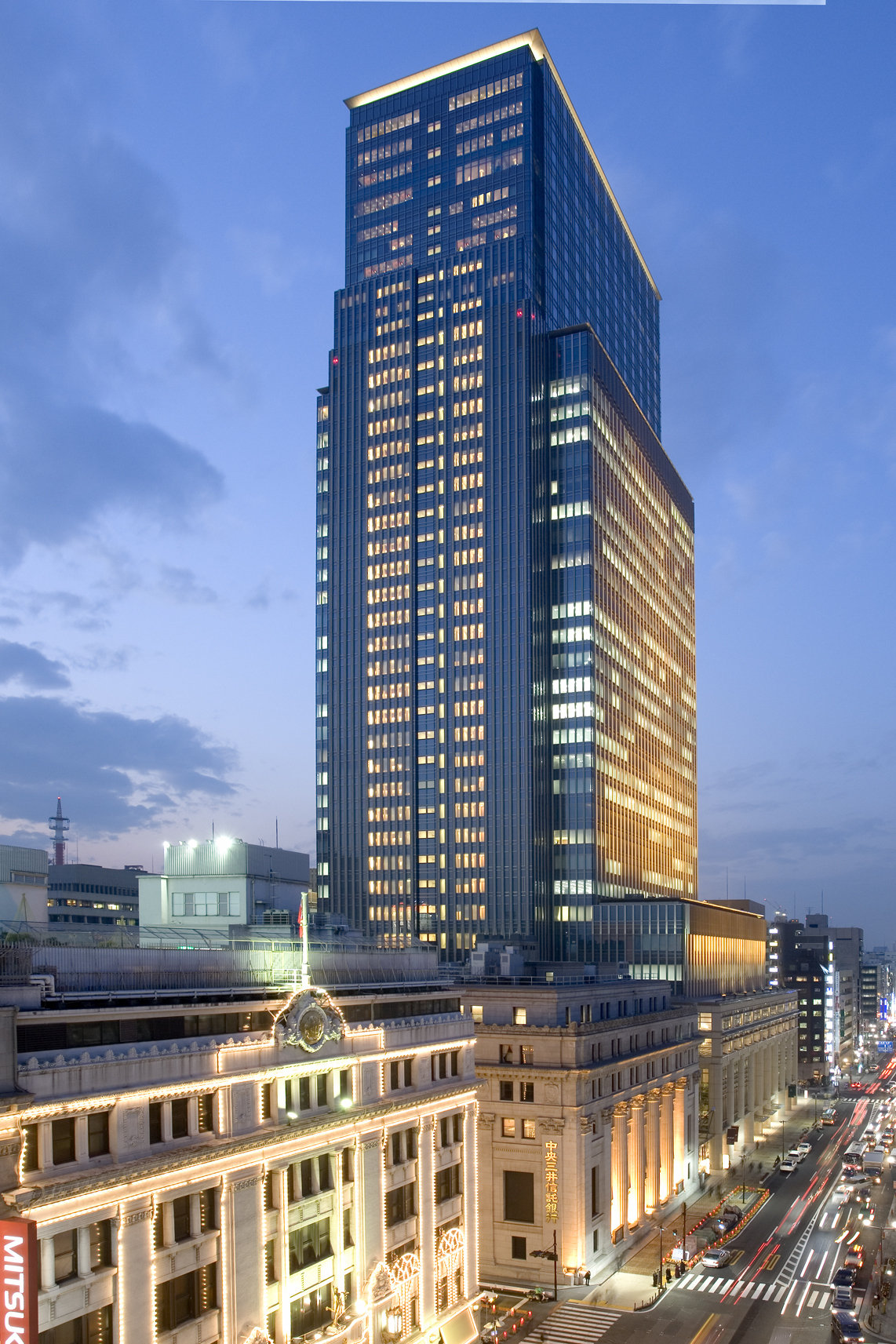
Mandarin Oriental Tokyo is the most operationally complete expression of contemporary Tokyo luxury hospitality at the international hotel-brand scale — and the property where the Mandarin Oriental group's specific approach to Asian luxury has been most carefully calibrated for the Japanese business and leisure markets. Opened in December 2005 on the upper floors of the Nihonbashi Mitsui Tower in central Tokyo's historic Nihonbashi business district, the hotel occupies floors 30 through 38 of the 195-metre commercial tower with the unobstructed panoramic Tokyo skyline view from every guest room and the Mount Fuji visibility from western-facing accommodations on clear days. The 178 guest rooms, the celebrated Sense of Place philosophy in the property's architectural identity, the Michelin-starred restaurant programme (the property holds 12 Michelin stars across its restaurant collection — the most decorated single hotel restaurant programme in the world), and the dedicated Mandarin Oriental Spa together produce a luxury hotel where the contemporary Tokyo position has been most carefully calibrated for the international luxury market. For broader context, see our Best Luxury Hotels in Tokyo guide and the Mandarin Oriental Hotels chain guide.
The Setting: Nihonbashi and the Mitsui Tower
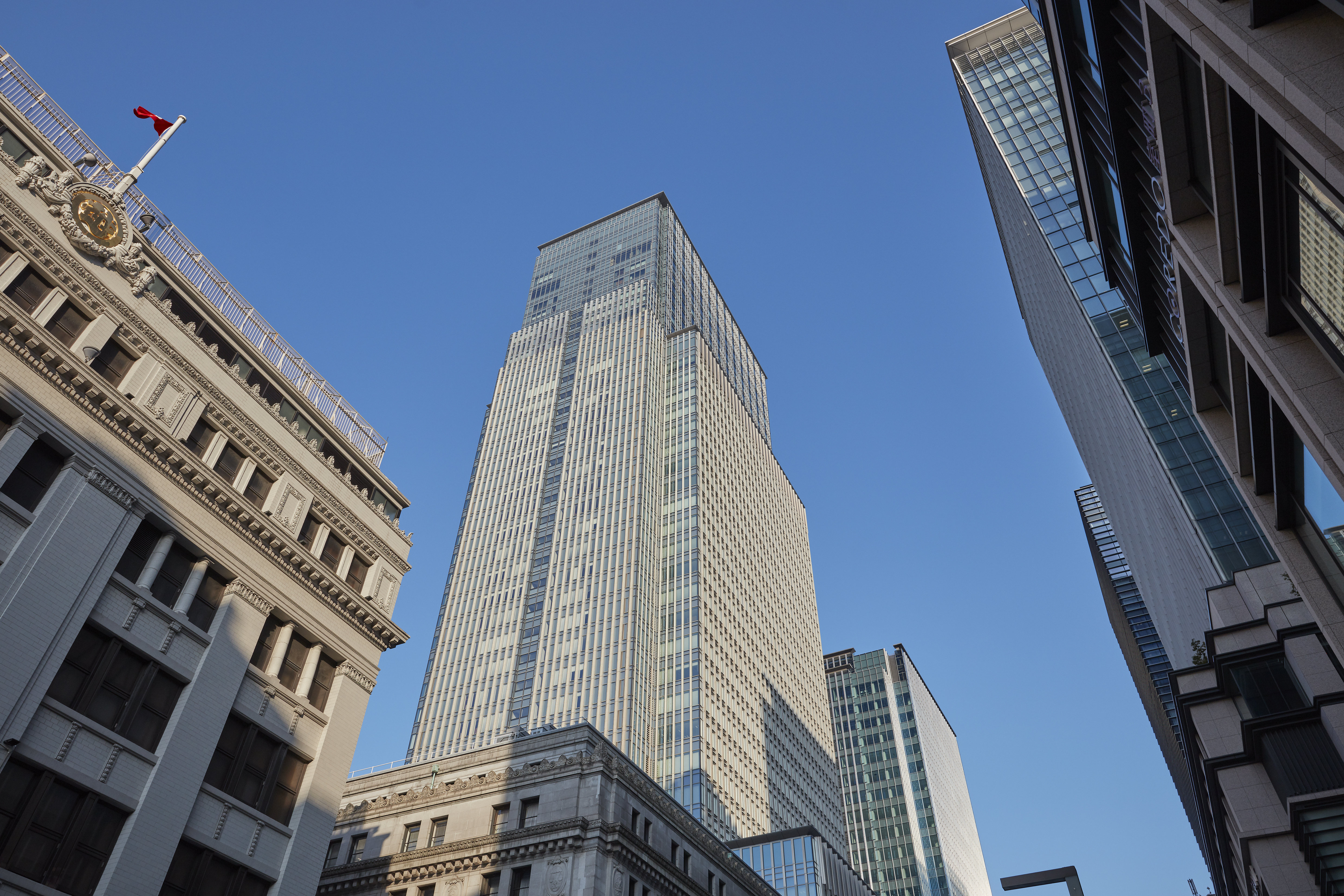
Mandarin Oriental Tokyo occupies floors 30–38 of the Nihonbashi Mitsui Tower — the 195-metre, 38-storey commercial tower in the historic Nihonbashi business district, the centre of Tokyo's traditional financial quarter and the original starting point of Japan's five major historical highways (the Tōkaidō, Nakasendō, Kōshū Kaidō, Ōshū Kaidō, and Nikkō Kaidō, with the Nihonbashi bridge as the symbolic mile-zero). The Nihonbashi position produces several distinctive advantages over the alternative Tokyo luxury hotels. First, the cultural significance: the Nihonbashi district is among the most culturally substantive Tokyo neighbourhoods, with the substantial proximity to the Edo-Tokyo cultural sites (the Imperial Palace gardens, the Tokyo National Museum at Ueno, the Mitsukoshi flagship department store with more than 350 years of continuous operation). Second, the elevation: the floor 30–38 position produces the unobstructed panoramic view in every direction with the Mount Fuji visibility from western-facing rooms on clear days. Third, the business infrastructure: the Nihonbashi position serves both the corporate-traveler demographic (the major Japanese financial institutions are clustered in the immediate area) and the leisure-traveler demographic with the substantial restaurant and retail programmes that the surrounding district supports.
The architectural philosophy was developed under the Mandarin Oriental group's "Sense of Place" design principle — the brand's specific commitment to interior architecture that references the host city's particular cultural character rather than imposing a globally homogenised hotel-brand aesthetic. At the Tokyo property, the Sense of Place expression draws on the four traditional Japanese seasons and the specific cultural references that the Nihonbashi district's heritage supports (the Edo-period merchant culture, the Mitsui banking dynasty heritage, the surrounding traditional shop and craft programmes). The architectural materials palette emphasises the Japanese vernacular: the carved Hinoki cypress detailing, the woven washi paper light fixtures, the dark polished granite, and the substantial natural-stone work that the contemporary Japanese architectural canon specifically values.
The Room Categories: 178 Across Multiple Tiers
Mandarin Oriental Tokyo operates 178 rooms and suites across the property's upper floors — the panoramic view configuration meaning every accommodation produces the floor-to-ceiling-window experience that the Tokyo position supports. The room categories reflect both the floor position and the specific view orientation (the Tokyo Sky Tree direction, the Mount Fuji direction, the Tokyo Bay direction, and the Imperial Palace direction).
Deluxe Room (the entry-level luxury accommodation)
The Deluxe Rooms — at 50 sq m (538 sq ft), with floor-to-ceiling windows and the panoramic city view — are the property's standard accommodation. The configuration includes the marble bathroom with the deep ofuro-style soaking tub at the window (the morning bath with the city view is among the most photographed Tokyo hotel experiences), the king bed with the specific Japanese-textile programming, and the Japanese-craft-detail palette that the Sense of Place philosophy specifically references. The Deluxe Room size meaningfully exceeds the typical Tokyo luxury hotel standard at the entry-level luxury tier.
Premier Room and Premier Corner Room (the upgraded view configurations)
The Premier Rooms feature the larger 56 sq m footprint with the upgraded view position. The Premier Corner Rooms specifically feature the corner configuration — the two-direction panoramic view (typically the Mount Fuji direction plus the Tokyo Sky Tree direction, depending on the corner orientation) producing the most distinctive single-room view configuration at the property. The Premier Corner Rooms are the most-requested specific category for guests booking through the WhataHotel! preferred partner channel; the upgrade priority specifically targets this tier.
Suite categories (the larger configurations)
The Mandarin Junior Suites add separate seating areas to the bedroom configuration. The Mandarin Suites at 90+ sq m add separate living rooms with the wraparound view configuration. The Presidential Suite at 250+ sq m is the property's flagship — three bedrooms, multiple living and dining areas, the most extensive wraparound terrace footprint at the property, and the dedicated butler service that the rate justifies. The Presidential Suite has hosted heads of state, international celebrities, and the most significant private events in the property's contemporary history.
The Restaurant Programme: 12 Michelin Stars and Counting
Mandarin Oriental Tokyo's restaurant programme is the most decorated single hotel restaurant collection in the global luxury hotel market — the property holds 12 Michelin stars across its restaurant venues in the current Michelin Guide Tokyo, the highest single-hotel Michelin star count anywhere in the world. The restaurants include:
Signature is the contemporary French fine dining destination — chef Olivier Rodriguez's contemporary French menu draws on the Japanese ingredient palette with the carefully calibrated French technique. The wine programme of 1,000+ references emphasises the French regional depth alongside the substantial Japanese craft sake and Japanese craft whisky programmes. Sense is the property's contemporary Cantonese fine dining venue — the menu drawing on the traditional Cantonese culinary canon with the dim sum lunch and the formal evening Cantonese programme. Tapas Molecular Bar is the resort's most architecturally distinctive dining venue — an 8-seat counter restaurant with the contemporary molecular gastronomy programme that has retained Michelin star recognition since the property's opening.
Sushi Sora is the property's celebrated sushi destination — a 19-seat counter venue with the celebrated head sushi chef's specific approach to the contemporary Edomae sushi tradition. Mandarin Bar is the property's signature cocktail venue with the substantial Japanese whisky programme (the property's collection of Japanese single-malt whiskies is among the most carefully curated in any Tokyo hotel). Oriental Lounge serves the formal afternoon tea programme — the most architecturally distinctive afternoon tea venue at any Tokyo luxury hotel.
The Spa: The Mandarin Oriental Spa
The Mandarin Oriental Spa at Tokyo is the property's most operationally substantive amenity — a dedicated wellness facility with multiple treatment rooms, the dedicated couples' suite, the indoor wellness pool, and the specific signature treatments drawing on both Asian and Japanese wellness traditions. The signature programmes include the dedicated Japanese-tradition treatments (the deep ofuro experiences in private suites, the shiatsu pressure-point therapy delivered by qualified Japanese practitioners), the broader Mandarin Oriental brand wellness vocabulary (the Holistic-Wellness programme that the brand has refined across its global property network), and the contemporary luxury spa standards calibrated to the international clientele. The spa includes the substantial sauna and steam circuit, the indoor heat-and-water experiences, and the dedicated fitness centre with the substantive equipment specification.
Position in the Tokyo Luxury Market
Tokyo's luxury hotel market is the most concentrated cluster of luxury hotels in any global city, with more than 20 properties at the genuinely luxury level. The market's principal competitors include the Aman Tokyo (the contemplative-Japanese specialist at the Otemachi Tower), the Park Hyatt Tokyo (the Lost in Translation cultural icon at Shinjuku), the Peninsula Tokyo (the Marunouchi corporate luxury), the Ritz-Carlton Tokyo (the Roppongi Midtown tower), the Four Seasons Hotel Tokyo at Marunouchi, the Bvlgari Hotel Tokyo (the most recent contemporary luxury at Yaesu), and the Imperial Hotel Tokyo (the historic 1923 Frank Lloyd Wright property). Mandarin Oriental Tokyo's specific position among these is the combination: the most decorated Michelin restaurant programme in any hotel globally, the only Tokyo luxury hotel with the dedicated Nihonbashi historical-district position, the most operationally substantive Mandarin Oriental expression in East Asia, and the panoramic floors 30–38 elevation that produces the broadest view orientation in any Tokyo luxury hotel. For the traveler whose Tokyo motivation includes the maximum culinary substance at the contemporary luxury operational standard, Mandarin Oriental Tokyo is the strongest single recommendation.
The Mandarin Oriental Fan Club Booking Through WhataHotel!
Mandarin Oriental Tokyo books through the Mandarin Oriental Fan Club preferred partner program — the brand's specific tier-1 preferred partner relationship that WhataHotel! holds across the global Mandarin Oriental portfolio. The benefits at this property include daily breakfast for two at Signature or in-room (the elaborate Japanese-international breakfast configuration with the substantive à la carte options is among the most generous breakfast experiences in Tokyo's luxury market), $100 USD hotel credit per stay (typically applied at one of the property's Michelin-starred restaurants or the spa), upgrade priority at check-in (the Deluxe Room to Premier Room or Premier Corner Room upgrade is the primary value lever), early check-in and late checkout on priority basis, and a personalised welcome amenity. The Fan Club rate matches the rate on mandarinoriental.com directly. The benefits arrive at zero additional cost.
When to Visit
Tokyo's most pleasant weather runs across two specific windows: late March through early April (the cherry blossom season — the most internationally celebrated period for Tokyo travel, with the cherry trees of the nearby Imperial Palace East Gardens, the Hibiya Park, and Aoyama Cemetery at their most photographically rewarding) and early-to-mid November (the autumn foliage season — the maple trees of the Imperial Palace East Gardens and Rikugien at their most photographically rewarding, with meaningfully better availability than the cherry blossom weeks). The summer months (July–August) are typically Tokyo's most humid; the winter months (December through February) are cold but produce the most reliable Mount Fuji visibility from the western-facing rooms.
For specific cultural calendar moments: the cherry blossom festivals at the Imperial Palace East Gardens (late March-early April), the Sumida River Fireworks Festival (late July, viewable from upper-floor rooms), the Tokyo International Film Festival (late October), and the Tokyo Marathon (typically early March, with substantial international participant demand) produce the strongest cultural engagement and the optimal preferred partner outcomes during the alignment windows.