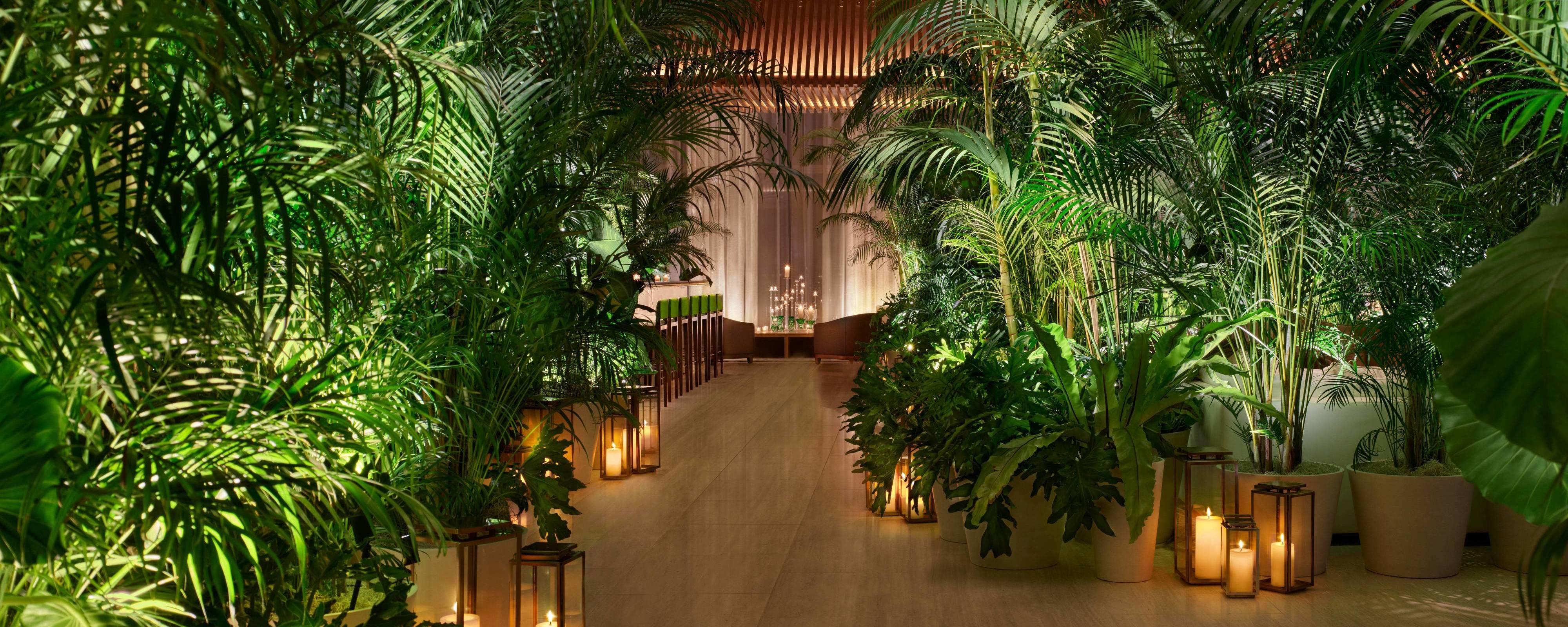
The Tokyo EDITION, Toranomon is the most architecturally serious EDITION Hotels expression in Asia — and the property where the collaboration between EDITION's founding creative director Ian Schrager and the celebrated Japanese architect Kengo Kuma reached its most carefully calibrated form. Opened in October 2020 in Tokyo's Toranomon Hills district, the hotel occupies the upper floors of the Toranomon Hills Business Tower (the 36-storey contemporary tower in Mori Building Company's Toranomon Hills development), with the panoramic city view from every guest room and the most architecturally distinctive contemporary Japanese hotel interior in central Tokyo. To stay at The Tokyo EDITION Toranomon is to stay at the property where the EDITION brand's signature combination of contemporary luxury and design-distinctive identity has been most carefully expressed within the contemporary Japanese architectural tradition. For broader context, see our Best Luxury Hotels in Tokyo guide and the EDITION Hotels chain guide.
The Setting: Toranomon Hills and Kengo Kuma
The Tokyo EDITION Toranomon occupies floors 31–36 of the Toranomon Hills Business Tower — the 36-storey contemporary tower completed in 2020 as part of the substantial Toranomon Hills development, the Mori Building-led urban renewal that has transformed central Tokyo's Toranomon district into one of the city's most architecturally distinctive contemporary commercial quarters. The position has specific advantages: the Toranomon Hills neighbourhood is an active business and cultural quarter with the Toranomon Hills Forum cultural facility, the substantial restaurant and retail programme of the Hills development, and the direct subway access at Toranomon Hills Station (the new Hibiya Line station that opened concurrently with the Business Tower).
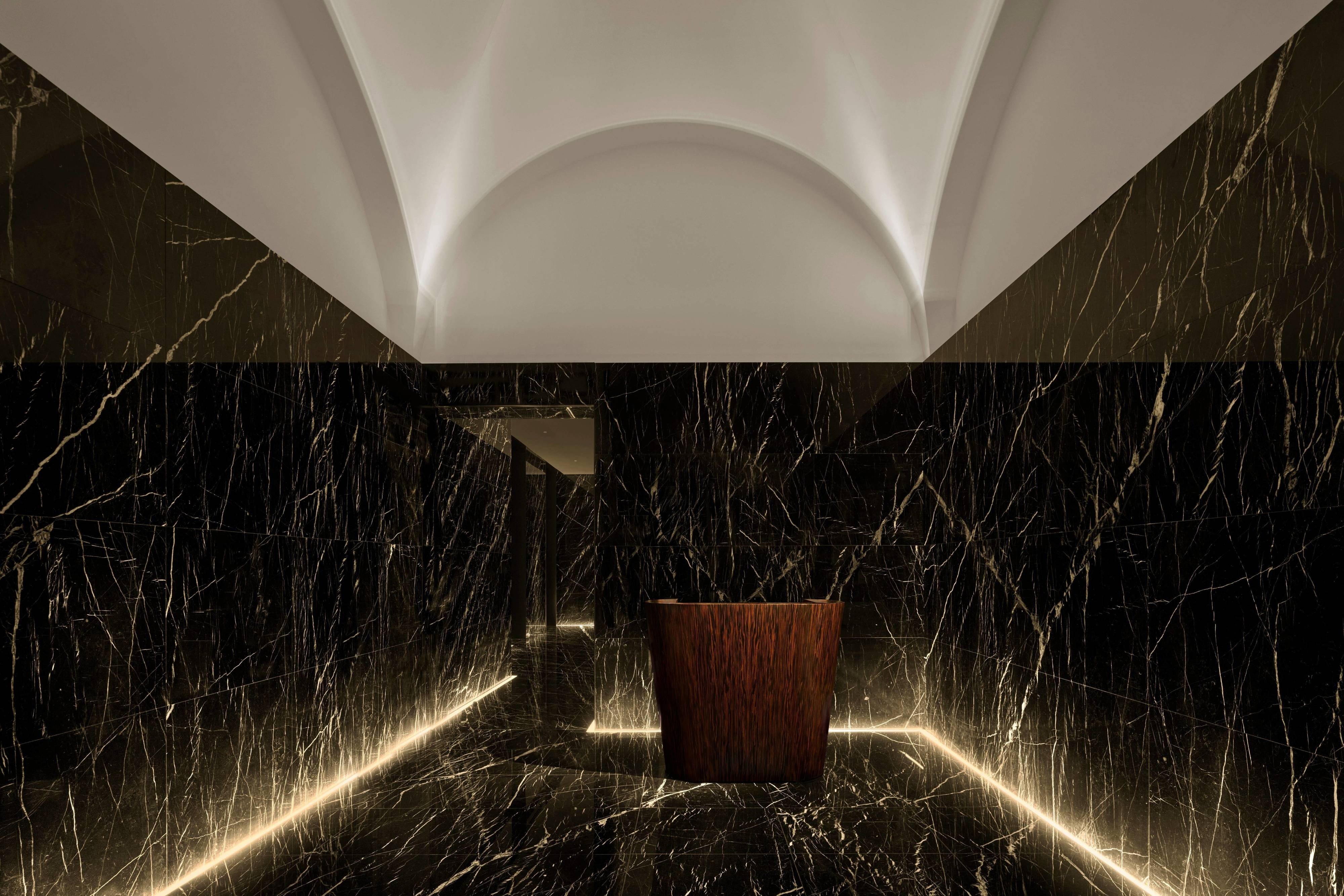
The interior architecture is the work of Kengo Kuma — the most internationally celebrated contemporary Japanese architect, whose previous Tokyo projects include the Japan National Stadium for the Tokyo 2020 Olympics, the Nezu Museum, and the Suntory Museum of Art. Kuma's specific approach at The Tokyo EDITION emphasises the natural-materials palette (the carved Hinoki cypress, the woven washi paper, the polished granite and the dark steel that the Japanese contemporary architectural tradition specifically values) and the spatial relationships that the Japanese architectural canon has refined across centuries. The collaboration between Kuma's architectural sensibility and Ian Schrager's hospitality design philosophy produces the EDITION brand's most carefully calibrated Japanese expression — meaningfully different from the Miami Beach EDITION, the New York EDITION, or the London EDITION's specific aesthetic registers.
The Rooms: 206 Across Multiple Categories
The Tokyo EDITION Toranomon operates 206 rooms and suites across the upper floors of the Business Tower (floors 31–36, with the lobby and public spaces on the 31st floor and the rooms above). Every room category includes the floor-to-ceiling windows that produce the panoramic Tokyo city view; the position 165 metres above the Toranomon district floor produces views in every direction including the Mount Fuji visibility from western-facing rooms on clear days.
EDITION City View Room (the entry-level luxury accommodation)
The EDITION City View Rooms — at 35 sq m (377 sq ft), with the floor-to-ceiling windows and the panoramic city view — are the property's standard accommodation. The configuration includes the marble bathroom with the deep ofuro-style soaking tub at the window (the morning bath with the city view is among the most photographed Tokyo hotel experiences), the king bed with the specific Kengo Kuma-designed natural-materials bedding programme, and the dedicated minibar arrangement that emphasises Japanese craft beverages. The room size is meaningfully larger than the typical Tokyo luxury hotel standard at the entry-level luxury tier.
Premier Tokyo Bay View Room (the upgraded view configuration)
The Premier Tokyo Bay View Rooms specifically feature the eastern-orientation view across the Tokyo Bay, with the Tokyo Skytree, the Asakusa skyline, and the bay industrial waterfront as the panoramic backdrop. The Tokyo Bay sunrise view is the specific value proposition for the photographer or the early-riser; the configuration is the most-requested specific category for guests booking through the WhataHotel! preferred partner channel.
Suite categories (the larger configurations)
The Junior Suites add seating areas to the bedroom; the Premier Suites add separate living rooms with the wraparound view configuration. The Tokyo Suite at 230 sq m is the property's flagship — three bedrooms, multiple living and dining areas, the wraparound terrace with the most extensive city view at the property, and the dedicated butler service that the rate justifies. The Tokyo Suite has hosted heads of state, international celebrities, and the most significant private events in the property's contemporary history.
The Restaurant Programme: The Blue Room, The Jade Room, Gold Bar
The Blue Room is the property's signature contemporary fine dining destination — a Japanese-French restaurant with the menu drawing on the contemporary Tokyo culinary tradition (the Tsukiji-successor markets' specific seafood, the Japanese craft poultry, the Yamanashi and Hokkaido produce sourcing) at the EDITION-brand contemporary luxury level. The dining room's elevated position, the substantial wine programme of more than 800 references, and the celebrated head chef's specific approach to the Japanese-French synthesis produce one of the most critically recognised hotel restaurants in central Tokyo.
The Jade Room is the property's contemporary Chinese restaurant — the menu drawing on the Cantonese fine dining tradition adapted for the contemporary EDITION clientele, with the elaborate dim sum lunch programme and the formal evening menu. Gold Bar is the property's signature cocktail venue — a deliberately designed contemporary bar with the extensive Japanese whisky programme (the property's collection of Japanese single-malt whiskies is among the most carefully curated in any Tokyo hotel) and the cocktail program that reflects the EDITION brand's specific approach to bar design.
The Spa and Wellness: EDITION Spa
The EDITION Spa at the Tokyo property occupies a dedicated spa floor with the Japanese-influenced wellness program — the deep-soaking ofuro experiences in the dedicated private suites, the Shiatsu pressure-point treatments delivered by qualified Japanese practitioners, and the contemporary luxury spa standard programs calibrated to the EDITION's specific guest demographics. The spa includes the indoor wellness pool, the sauna and steam circuit, and the substantial fitness centre — the wellness programming reflects the contemporary Tokyo guest's specific expectations rather than attempting to deliver a comprehensive resort-spa experience that the urban-luxury context doesn't support.
Position in the Tokyo Luxury Market
Tokyo's luxury hotel market includes the most concentrated cluster of first-class properties in any global city: Aman Tokyo (the contemplative-Japanese specialist with the largest hotel spa in any major Japanese city), Park Hyatt Tokyo (the Lost in Translation cultural icon at Shinjuku), Mandarin Oriental Tokyo (the Nihonbashi business district address), the Peninsula Tokyo (the Marunouchi corporate luxury), the Ritz-Carlton Tokyo (the Roppongi Midtown tower), the Four Seasons Hotel Tokyo at Marunouchi, and the Bvlgari Hotel Tokyo (the most recent contemporary luxury at Yaesu). The Tokyo EDITION's specific position among these is the combination: the most internationally distinctive EDITION Hotels expression in Asia, the most architecturally serious Kengo Kuma hotel collaboration, and the only EDITION-brand luxury hotel in central Tokyo. For the traveler whose Tokyo motivation includes the design-distinctive contemporary luxury at the most carefully calibrated Japanese architectural register, The Tokyo EDITION Toranomon is the strongest single recommendation.
The Marriott STARS Booking Through WhataHotel!
The Tokyo EDITION Toranomon books through the Marriott STARS preferred partner program — the EDITION Hotels brand's tier-1 preferred partner relationship that WhataHotel! holds across the global Marriott luxury portfolio. The benefits at this property include daily breakfast for two at The Blue Room or in-room (the elaborate Japanese-international breakfast configuration is among the most generous breakfast experiences in Tokyo's luxury market), $100 USD hotel credit per stay (typically applied at The Blue Room or Gold Bar), upgrade priority at check-in (the EDITION City View Room to Premier Tokyo Bay View Room or Junior Suite upgrade is the primary value lever), early check-in and late checkout on priority basis, and a personalised welcome amenity. The STARS rate matches the rate on editionhotels.com directly.
For the Marriott Bonvoy loyalty program member, the STARS booking stacks with Platinum, Titanium, and Ambassador elite benefits — the configuration that produces the strongest possible outcome at any EDITION property. STARS-tier guests typically receive the suite upgrade priority and the 4pm late checkout that the standard preferred partner package establishes.
When to Visit
Tokyo's most pleasant weather runs across two specific windows: late March through early April (the cherry blossom season — the most internationally celebrated period for Tokyo travel, with the cherry trees of nearby Hibiya Park, the Imperial Palace gardens, and Aoyama Cemetery at their most photographically rewarding) and early-to-mid November (the autumn foliage season — the maple trees of the Imperial Palace East Gardens, Rikugien, and the Yoyogi area at their most photographically rewarding, with meaningfully better availability than the cherry blossom weeks). The summer months (July–August) are typically Tokyo's most humid; the winter months (December through February) are cold but produce the most reliable Mount Fuji visibility from the western-facing rooms.
For the cultural calendar specifically, The Tokyo EDITION's Toranomon location places it within walking distance of several significant Tokyo cultural events: the Sumida River Fireworks Festival (late July, viewable from upper-floor rooms), the Toranomon Hills Forum's substantive cultural programming year-round, and the various contemporary art and design events that the surrounding Roppongi-Toranomon corridor hosts.