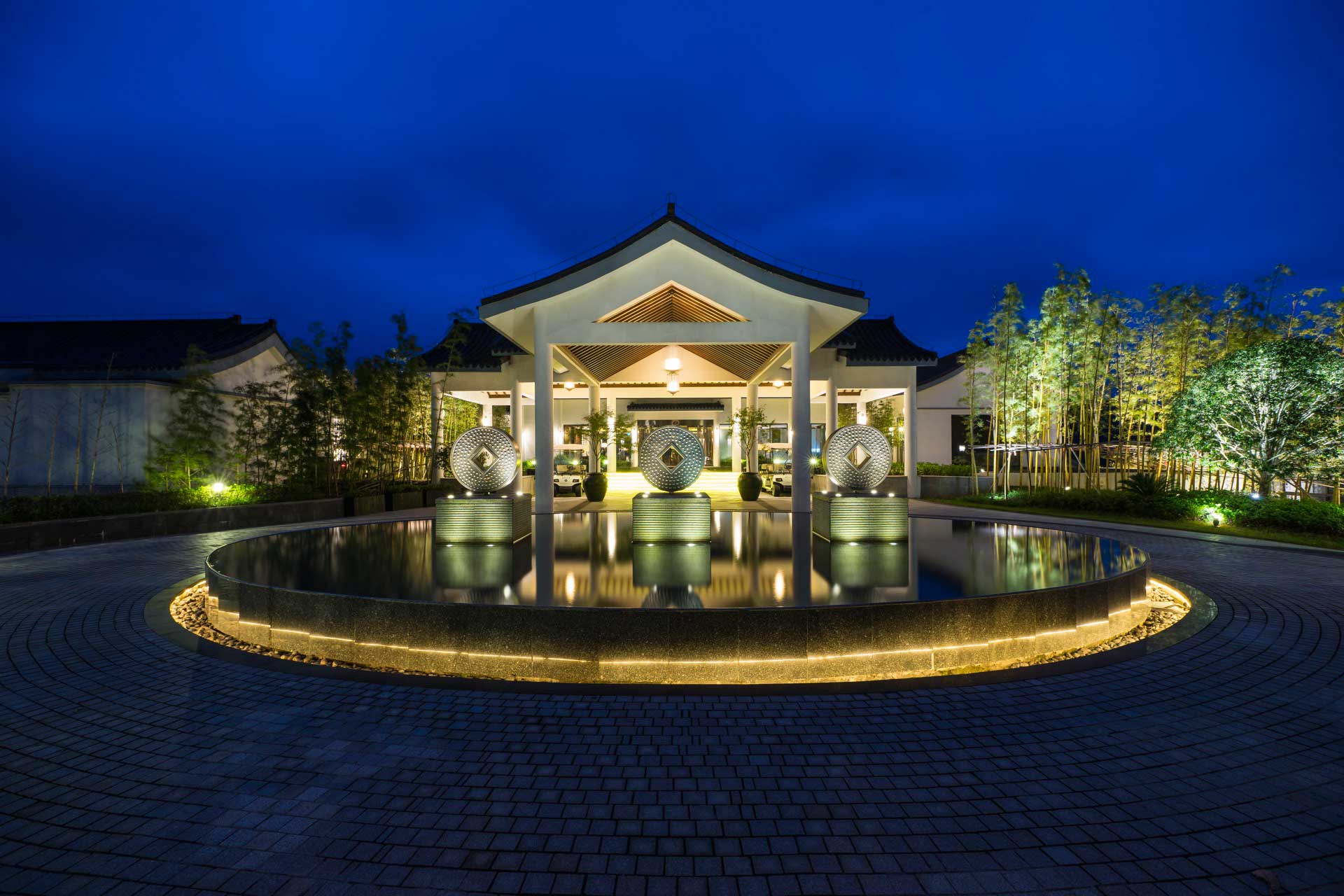
Alila Anji is the most architecturally and environmentally distinctive contemporary luxury resort in eastern China — a 73-villa retreat set within the Zhejiang bamboo forest landscape that produced the cinematography of Ang Lee's Crouching Tiger, Hidden Dragon, and one of the most carefully calibrated expressions of the Alila brand's specific approach to nature-immersive luxury hospitality. Opened in 2018 in Anji County's Sankeng Village area — approximately three hours by car from Shanghai and within China's most environmentally protected mainland region — the resort occupies a 70-hectare site bordered by bamboo forest, organic tea plantations, and the limestone karst geology that the region's surface waters have carved across millennia. To stay at Alila Anji is to stay at the property where contemporary Chinese luxury hospitality meets the country's most carefully preserved rural landscape. For broader context, see our Best Luxury Hotels in China guide and the Alila Hotels chain guide.
The Setting: Anji County and the Bamboo Forest
Alila Anji occupies a 70-hectare site in the Sankeng Village area of Anji County — a mountainous county in northwestern Zhejiang Province whose specific environmental status sets it apart from the rest of eastern China. Anji is a national-level "Ecological County" under Chinese environmental protection designation; it is one of the few mainland Chinese counties to have maintained continuous forest cover above 70% across the modern industrial era; and it is the centre of the bamboo forest region that defines the surrounding landscape. The bamboo forest at Anji — more than 1.8 million mu (approximately 120,000 hectares) of continuously managed bamboo — is the largest contiguous bamboo forest accessible to luxury hotel guests anywhere in the world.
The cultural significance of the landscape extends to the cinema. Ang Lee filmed several of Crouching Tiger, Hidden Dragon's most photographed sequences in the Anji bamboo forest — specifically the iconic combat scenes among the swaying bamboo canopy that gave the film its distinctive visual identity. The continuing recognition of the Anji landscape as the location of those sequences supports a specific film-cultural tourism that the resort's experiences programme references. The resort is approximately three hours by car from Shanghai (220 km, with the journey via the Shanghai-Hangzhou highway and the regional roads to Anji), making it among the more accessible major Chinese luxury resorts despite its rural setting.
The Architecture: Hua Li Design and the Tea-Pavilion Reference
The resort's architectural philosophy was developed by the Beijing-based Hua Li Design (the practice responsible for several of China's most architecturally distinctive contemporary luxury hotels). The buildings reference the traditional Chinese tea pavilion typology — single-storey structures with deep eaves, large tea-pavilion-style courtyards, and the specific spatial relationship between interior shelter and surrounding landscape that the tea-pavilion tradition has refined across centuries. The materials palette emphasises the regional vernacular: the locally quarried stone, the bamboo (sourced from the surrounding forest), the dark timber that ages naturally to the silver-grey patina that the local craft tradition specifically values.
The 70-hectare site is meaningfully larger than the resort's footprint requires — the architectural strategy specifically preserves the bamboo forest, the working tea plantations, and the limestone karst features as the spatial context that the resort's experience depends on. The walking trails, the tea-plantation visits, and the dedicated bamboo-forest-immersion experiences are all delivered within the property's own grounds; the alternative resorts in the region rely on external excursions for the equivalent landscape engagement.
The Villa Categories: 73 Across Four Tiers
Alila Anji operates 73 villas across four distinct categories, all configured at the freestanding-villa scale rather than the more typical luxury hotel room-and-suite pattern. The architectural philosophy specifically favours the privacy and the indoor-outdoor connection that the freestanding villa configuration supports.
Aroma Villa (the entry-level luxury accommodation)
The Aroma Villas — at 65 sq m (700 sq ft), with private gardens and the bamboo-forest or limestone-karst orientation — are the resort's standard accommodation. The configuration includes the deep ofuro-style soaking tub at the bedroom-adjacent open-air bathroom, the king bed with the woven Chinese silk linen, and the private courtyard garden that the indoor-outdoor pattern specifically supports.
Forest Villa (the bamboo-forest immersion configuration)
The Forest Villas at 95 sq m specifically feature the bamboo forest immediately surrounding the villa — the floor-to-ceiling glass walls and the bedroom orientation produce the immersion in the bamboo canopy that the Anji landscape specifically supports. The Forest Villa configuration is the most-requested specific category for the landscape-led traveler.
Pool Villa categories (the family-suitable configurations)
The Pool Villas add private freshwater pools to the larger 130 sq m footprint. The Two-Bedroom Pool Villa configuration supports the family or small-group booking. The Pool Villa's private pool is meaningful in the Anji context: the bamboo forest's specific ecology produces the moderate climate that the freshwater pool serves comfortably, and the privacy of the surrounding bamboo screen makes the outdoor swimming environment particularly distinctive.
Cliff Villa (the resort's flagship)
The Cliff Villas — positioned at the resort's western edge with the unobstructed limestone karst view — are the property's signature accommodations. The wraparound terrace, the dedicated outdoor bathing area at the cliff edge, and the most extensive garden footprint at the resort make this the booking decision for the milestone celebration or the longer stay.
The Restaurant Programme
Alila Anji operates three principal dining venues. Anji Cuisine is the resort's signature contemporary Chinese fine dining destination — the menu drawing on the Zhejiang regional culinary tradition (the bamboo shoots harvested from the surrounding forest, the Anji white tea that the region specifically produces, the local mountain pork and the regional poultry, the Yangtze freshwater fish) at the contemporary luxury level. The dining room's open-air position, the substantial tea programme with the Anji white tea at the centre, and the wine programme with substantial Chinese-wine depth alongside the international references make this one of the most carefully calibrated regional Chinese restaurants at any luxury hotel.
Lounge Bar is the cocktail and casual-dining venue with the bamboo-forest view, and Pool Bar is the dedicated poolside venue with the casual menu. The Tea Pavilion is the dedicated tea-tasting venue — the daily Anji white-tea programme led by the resort's resident tea master is among the most substantive cultural experiences at any contemporary Chinese luxury hotel.
Wellness and Activities
The Spa Alila at Anji occupies a dedicated pavilion complex — the spa's six treatment rooms, the relaxation lounges, and the dedicated yoga and meditation pavilions positioned within the bamboo forest. The signature treatments draw on Traditional Chinese Medicine (the meridian-based pressure-point therapy, the herbal compress treatments, the specific Chinese-tradition aromatherapy with the Anji botanicals) integrated with the contemporary luxury spa standard. The resort's experiences programme — the bamboo-forest walking tours, the tea-plantation visits with the resident tea master, the limestone karst hiking, the in-suite tai-chi instruction with visiting practitioners — produces the most substantive cultural-and-landscape engagement at any Chinese luxury resort outside of the heritage cities.
Position in the Chinese Luxury Market
China's mainland luxury hotel market is dense in the major cities (Beijing, Shanghai, Hong Kong) but considerably less developed at the rural-luxury scale. Alila Anji's specific position is the combination: the only Alila property in eastern China outside the major cities, the most architecturally distinctive contemporary luxury resort in Zhejiang Province, and the only luxury resort within the Anji bamboo forest landscape. For the traveler whose Chinese motivation includes the rural-luxury experience at the contemporary architectural standard, Alila Anji is the strongest single recommendation.
The Hyatt Privé Booking Through WhataHotel!
Alila Anji books through the Hyatt Privé preferred partner program — the Alila brand has been part of the World of Hyatt portfolio since the 2018 Two Roads Hospitality acquisition, and the Privé tier supports the preferred partner benefit access. The benefits at this property include daily breakfast for two at Anji Cuisine or in-villa, $100 USD hotel credit per stay, upgrade priority at check-in (the Aroma Villa to Forest Villa or Pool Villa upgrade is the primary value lever), early check-in and late checkout on priority basis, and a personalised welcome amenity. The Hyatt Privé rate matches the rate on alilahotels.com directly.
When to Visit
Anji's four distinct seasons produce significantly different experiences at the resort. Spring (March through May) delivers the most pleasant temperatures and the spring tea harvest — the resort's tea programme reaches its most substantive expression during the late-March to early-April Anji white tea harvest specifically. Summer (June through August) is humid but produces the lushest bamboo forest and the most active wildlife. Autumn (September through November) is the most photographically rewarding season — the bamboo at its most vivid green, the temperatures moderate, and the air clearest. Winter (December through February) is cold but produces the most distinctive bamboo-forest experience under occasional snow conditions, with the lowest demand and strongest preferred partner availability.