Halekulani Honolulu is the most architecturally and operationally complete expression of Hawaiian luxury hospitality at the Waikiki scale — and the property where the Mitsui Fudosan-owned Halekulani brand's specific approach to Japanese-Hawaiian luxury has been refined across more than 100 years of continuous operation. Originally opened in 1907 as the original Halekulani guesthouse and continuously reimagined across the subsequent century (the current property reflects the substantial 1980s reconstruction and the 2017 comprehensive renovation), the hotel occupies a 5-acre beachfront site on the most photographed stretch of Waikiki Beach with the unobstructed Diamond Head view that the Honolulu cityscape's signature backdrop produces. The 453 guest rooms, the celebrated La Mer restaurant (the only AAA Five-Diamond restaurant in Hawaii for more than 30 consecutive years), the dedicated SpaHalekulani, and the Hawaiian-Japanese architectural sensibility together produce a luxury hotel where the Honolulu position has been most carefully calibrated for the contemporary international luxury market. For broader context, see our Best Luxury Hotels in Hawaii guide and the Halekulani Hotels chain guide.
The Setting: Waikiki Beach and Diamond Head
Halekulani occupies a 5-acre beachfront site on Waikiki Beach — the most photographed stretch of Hawaiian coastline, on the western end of the Waikiki tourist concentration at the boundary between the Royal Hawaiian and the Halekulani properties. The position has specific advantages over the alternative Waikiki accommodations. First, the Diamond Head view: the eastern-facing rooms produce the unobstructed Diamond Head view that the Honolulu cityscape's signature backdrop produces — the iconic crater visible from the bedroom is the defining hotel-room view of the Hawaiian luxury market. Second, the beach configuration: Halekulani fronts directly onto a quieter stretch of Waikiki Beach (the western edge of the main beach concentration), with meaningfully less of the high-volume tourist traffic that the central Waikiki properties absorb. Third, the position relative to Honolulu: the Waikiki position is 20 minutes from Daniel K. Inouye International Airport and 10 minutes from downtown Honolulu, supporting both the leisure-traveler and the business-traveler use cases.
The property's name — Halekulani — translates from Hawaiian as "House Befitting Heaven," reflecting both the traditional Hawaiian poetic naming tradition and the specific commitment to the heightened hospitality standard that the brand has refined since 1907. The property is woven into the cultural fabric of contemporary Honolulu — the resident kumu hula (master hula instructor) who leads the cultural programming, the substantive Hawaiian language commitment in the property's communications, and the dedicated relationship with the Bishop Museum and the Polynesian Cultural Center that the property's cultural programming references. The Mitsui Fudosan ownership (since 1981) supports the specific Japanese-Hawaiian operational standard that the property maintains — the Japanese guest demographics produce a meaningful share of the property's continuing demand.
The Architecture and the Orchid Pool
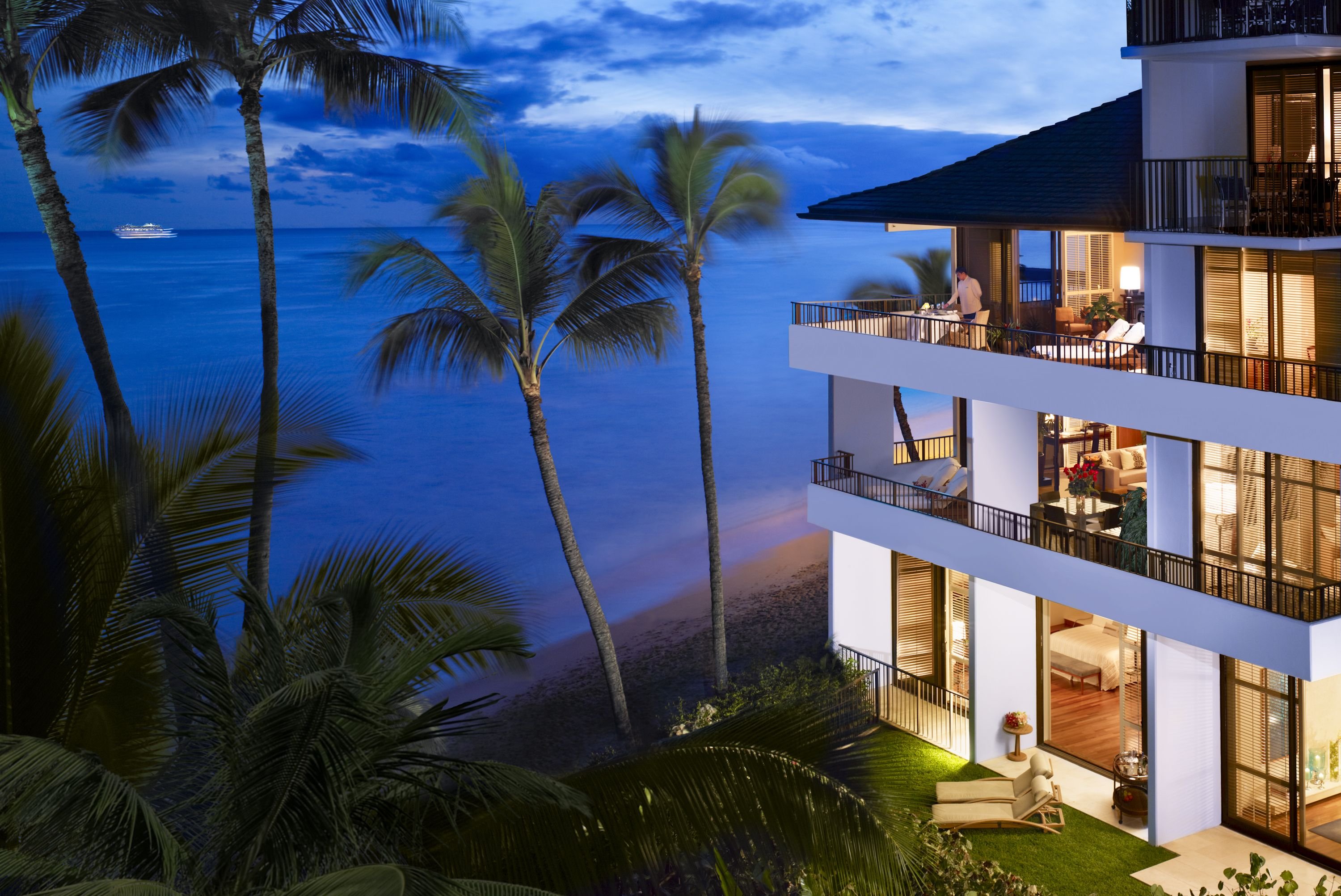
The current architectural envelope reflects the substantial 1980s reconstruction (when Mitsui Fudosan invested in the comprehensive rebuilding that the contemporary luxury standard required) and the 2017 comprehensive renovation that refreshed the interiors at the contemporary international luxury scale. The architectural language deliberately emphasises the indoor-outdoor connection that the Hawaiian climate supports — the open-air lobby, the substantial garden landscaping with the more than 30 plant species native to Hawaii, the courtyard pools with the dedicated outdoor dining venues — and the specific Japanese sensibility that the Mitsui Fudosan ownership has refined. The materials palette emphasises the natural Hawaiian-Japanese fusion: the locally sourced volcanic stone, the Japanese-tradition stone gardens, the Hawaiian koa wood, and the specific orchid-and-bird-of-paradise garden programme that the property's signature visual identity references.
The most photographed element at the property is the signature orchid pool — the mosaic tile orchid that occupies the centre of the property's principal swimming pool, a 1.25-million-tile artwork that has become Halekulani's most distinctive visual signature. The orchid is photographed in essentially every Halekulani communication; the morning swimming experience over the orchid is among the most distinctive Hawaiian luxury hotel rituals.
The Room Categories: 453 Across Multiple Tiers
Halekulani operates 453 guest rooms across the property's multiple tiers — a meaningfully larger inventory than the small-luxury Hawaiian competitors, with the operational scale that the Mitsui Fudosan investment has supported. The rooms are organized across five buildings on the 5-acre site (the Diamond Head Tower, the Main Tower, the Orchid Tower, the Bougainvillea Tower, and the Plumeria Tower), with the room categories reflecting both the building position and the specific view orientation.
Garden Courtyard Room (the entry-level luxury accommodation)
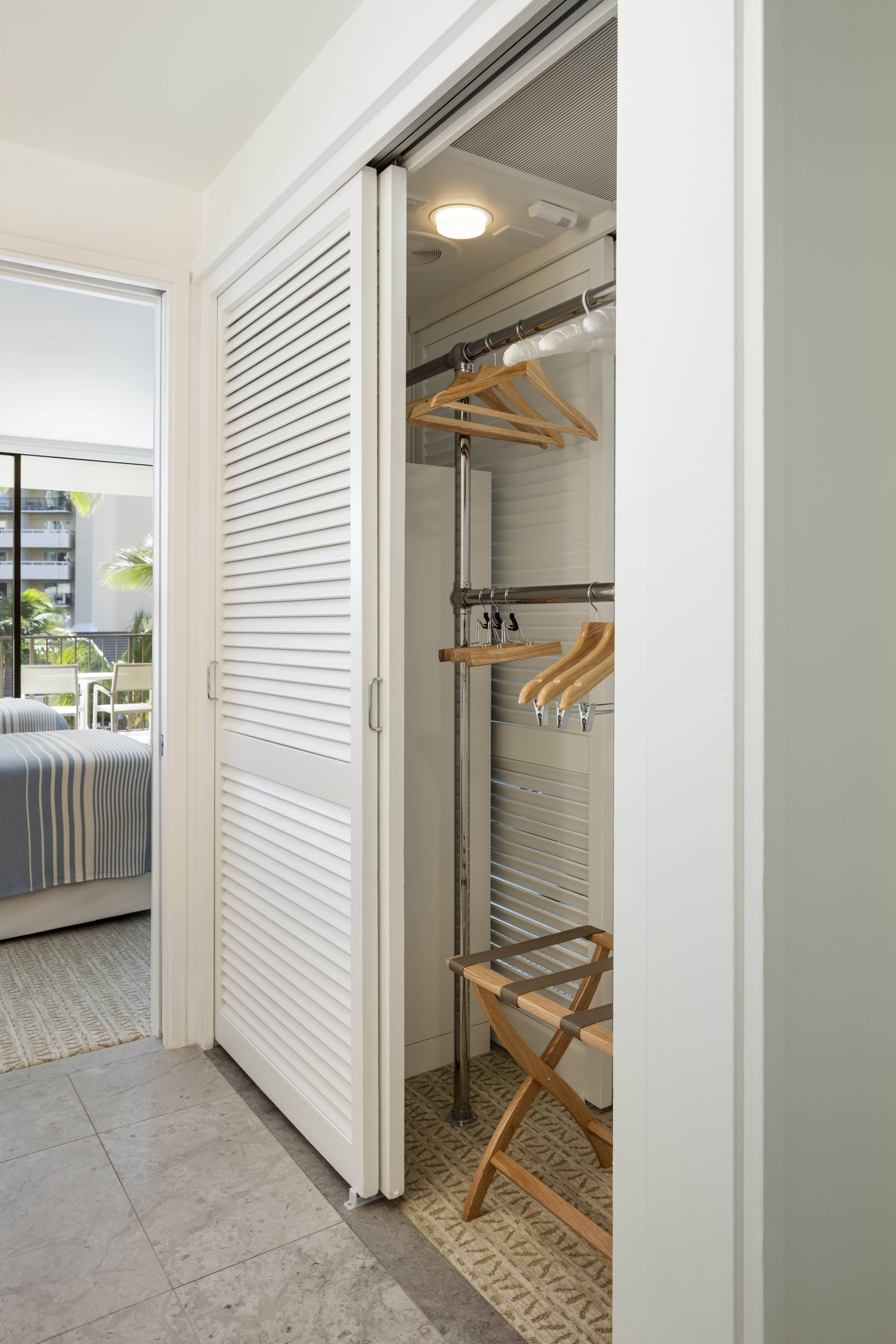
The Garden Courtyard Rooms — at 460 sq ft, with private lanais (Hawaiian-tradition balconies) overlooking the courtyard gardens — are the property's standard accommodation. The configuration includes the marble bathroom with the specific Halekulani amenities programme, the king bed with the substantial linen specification (the 600-thread-count Egyptian cotton that the Halekulani identity requires), and the lanai orientation that the indoor-outdoor pattern supports. The Garden Courtyard Rooms produce the more sheltered courtyard-garden experience rather than the direct ocean view.
Partial Ocean View / Ocean View Rooms (the upgraded view configurations)
The Partial Ocean View Rooms feature the angled Pacific view with the Diamond Head visibility from the lanai. The Ocean View Rooms feature the direct unobstructed ocean and Diamond Head view from the bedroom — the most-requested specific category for guests booking through the WhataHotel! preferred partner channel. The Ocean View configuration is the primary value-lever target for the upgrade priority that the preferred partner programme delivers.
Suite categories (the larger configurations)
The Junior Suites add separate seating areas; the Premier Ocean Suites at 800+ sq ft add separate living rooms with the wraparound ocean-view configuration. The Royal Suite at 2,200 sq ft is the property's flagship — three bedrooms, multiple living and dining areas, the most extensive lanai footprint at the property, and the dedicated butler service that the rate justifies. The Royal Suite has hosted heads of state, international celebrities, and the most significant private events in the property's contemporary history.
The Restaurant Programme: La Mer, Orchids, and House Without a Key
La Mer is the property's signature contemporary fine dining destination — the only AAA Five-Diamond restaurant in Hawaii for more than 30 consecutive years (a continuous award streak unmatched by any other Hawaiian restaurant), with the menu drawing on the Mediterranean French Provençal tradition adapted for the Hawaiian ingredient palette. The dining room's open-air position overlooking Waikiki Beach with the Diamond Head view, the substantial wine programme of more than 600 references, and the celebrated head chef's specific approach produce one of the most architecturally and gastronomically distinctive fine dining experiences in the Pacific. The dress code is among the most formal in any Hawaiian restaurant — the requirement reflects the specific commitment to the heightened dining experience that La Mer's identity rests on.
Orchids is the property's all-day dining venue overlooking the main pool and ocean — the elaborate Hawaiian-international breakfast configuration (the Sunday brunch is among the most generous in the global luxury hotel market), the casual lunch menu, and the family-oriented dinner programme. House Without a Key is the property's most architecturally distinctive cocktail venue — a dedicated outdoor lanai cocktail bar named after Earl Derr Biggers' 1925 mystery novel set at the original Halekulani, with the live Hawaiian music programme each evening and the most photographed sunset position at the property. The complimentary nightly hula performance by the property's resident kumu hula is among the most substantive Hawaiian cultural experiences in any Honolulu hotel.
SpaHalekulani
SpaHalekulani is the property's most operationally substantive amenity — a dedicated wellness facility with multiple treatment rooms, the dedicated couples' suite, the indoor wellness pool, and the specific signature treatments drawing on both Hawaiian and Japanese wellness traditions. The signature programmes include the lomi lomi traditional Hawaiian massage (delivered by qualified Hawaiian practitioners trained in the specific island tradition), the Japanese-tradition treatments (the deep ofuro experiences, the shiatsu pressure-point therapy), the dedicated Hawaiian botanical aromatherapy programme using the locally sourced indigenous botanicals, and the contemporary luxury spa standards calibrated to the international clientele's expectations.
Position in the Hawaiian Luxury Market
Hawaii's luxury hotel market is concentrated across four distinct island geographies: Oahu (Waikiki and the North Shore), Maui (Wailea and Kapalua), the Big Island (Kohala Coast), and Kauai (Hanalei Bay and the South Shore). The Oahu/Waikiki position competes against the Royal Hawaiian (the pink palace), the Moana Surfrider (the historic 1901 grand dame), the Kahala Hotel & Resort (the easternmost position with private beach), the Four Seasons Resort Oahu at Ko Olina (the western Oahu Disney-area Four Seasons), and the smaller Waikiki boutique luxury alternatives. Halekulani's specific position among these is the combination: the longest continuously operating luxury hotel on Waikiki Beach (since 1907), the only AAA Five-Diamond Hawaiian restaurant for 30+ years, the most architecturally distinctive Japanese-Hawaiian luxury identity, and the most carefully calibrated indoor-outdoor architectural language. For the traveler whose Hawaiian motivation includes the Waikiki position at the most operationally substantive luxury standard, Halekulani is the strongest single recommendation.
The Halekulani Booking Through WhataHotel!
Halekulani Honolulu books through the Halekulani preferred partner program — the brand's specific direct preferred partner relationship that WhataHotel! holds across the Halekulani Hotels global portfolio. The benefits at this property include daily breakfast for two at Orchids or in-room (the elaborate Hawaiian-international breakfast configuration is among the most generous in the country), $100 USD hotel credit per stay (typically applied at La Mer, House Without a Key, or SpaHalekulani), upgrade priority at check-in (the Garden Courtyard to Partial Ocean View or Ocean View Room upgrade is the primary value lever), early check-in and late checkout on priority basis, and a personalised welcome amenity. The Halekulani preferred partner rate matches the rate on halekulani.com directly. The benefits arrive at zero additional cost.
When to Visit
Hawaii's relatively consistent climate produces meaningful seasonal variation primarily in the demand pattern rather than the weather pattern. The peak rate season is December through April (the North American mainland winter peak with the strongest demand from continental US guests, plus the Japanese New Year and Golden Week travel periods that produce the strongest demand from the Japanese guest demographic). The shoulder months (May, October–November) deliver essentially the same weather conditions at meaningfully better rates and availability. The summer months (June–September) feature warmer temperatures (consistently above 30°C) but the strongest preferred partner availability of the year alongside the Japanese summer school holiday demand.
For specific cultural calendar moments: the Aloha Festivals (September, the largest Hawaiian cultural celebration), the Honolulu Festival (March, the substantial Japanese-Pacific cultural celebration that the Halekulani specifically participates in), and the Honolulu Marathon (mid-December, with the substantial international running community demand) produce the most cultural-engagement-rich travel windows.