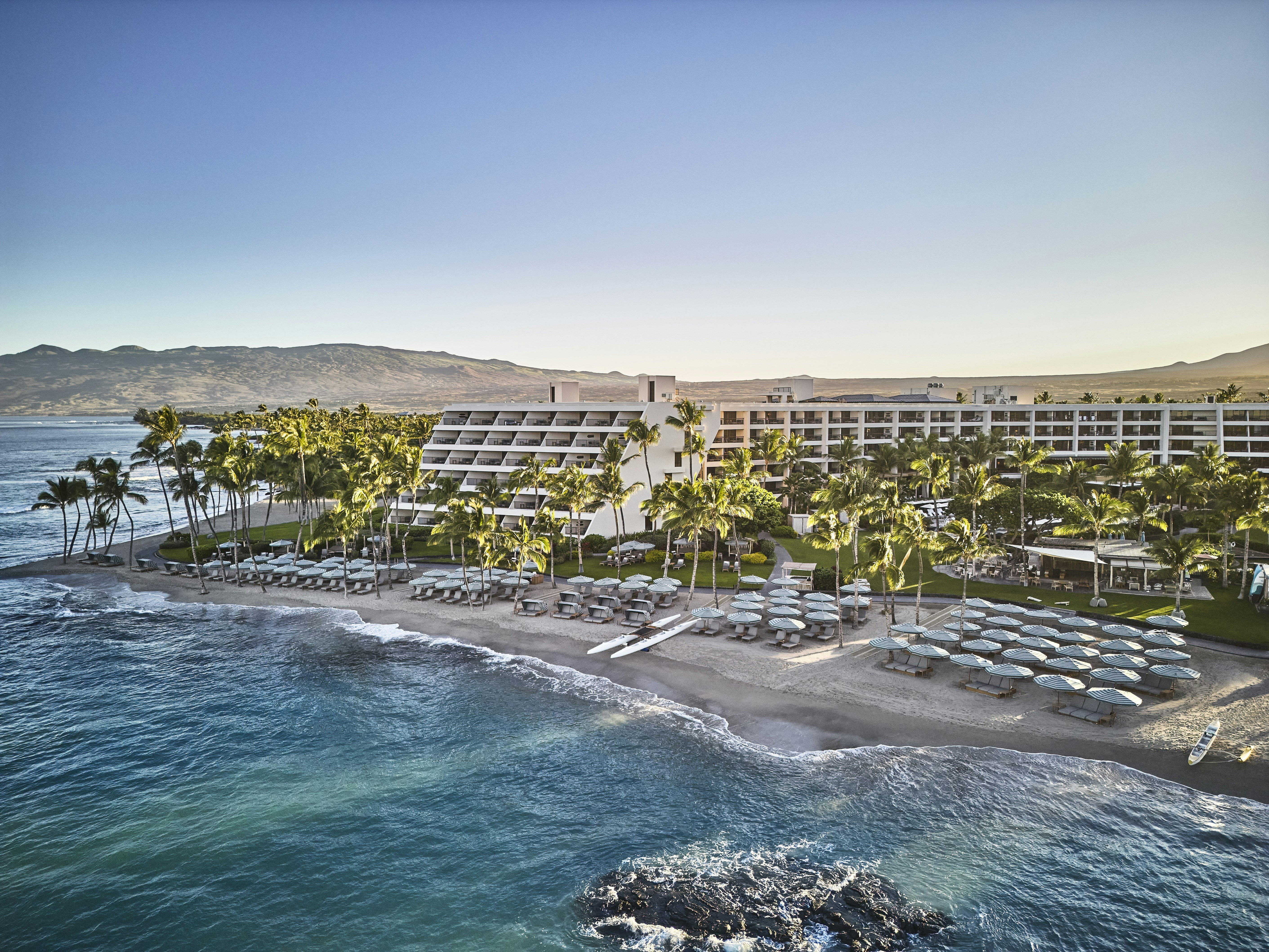
Mauna Lani, Auberge Collection is the most carefully reimagined major luxury resort on the Big Island of Hawaii — and the most architecturally distinctive expression of the Auberge Resorts Collection's specific approach to luxury hospitality. The property occupies a 30-acre oceanfront site on the Kohala Coast, where ancient Hawaiian fishponds, a 700-year-old petroglyph field, and the historic anchialine pools of the Pauoa Bay coastline have been preserved alongside the contemporary luxury resort that the Auberge Collection completed in 2020 after a comprehensive $200+ million reimagining of the original 1983 Mauna Lani Bay Hotel. The result is a Big Island luxury experience where the genuine cultural and ecological significance of the site is the central organising principle, not the marketing afterthought. For broader context, see our Best Luxury Hotels in Hawaii guide and the Auberge Resorts Collection chain guide.
The Setting: The Kohala Coast and Hawaiian Cultural Heritage
Mauna Lani occupies a 30-acre oceanfront site on the Big Island's Kohala Coast — the dry leeward shore on the western side of the island, between the volcanic peaks of Mauna Kea (at 4,207 metres, the highest point in the Pacific Ocean when measured from the seafloor) and the Pacific. The Kohala Coast's specific climate (less than 30 cm of rainfall per year, the most reliable sunshine in Hawaii, the dramatic black volcanic landscape produced by the 1859 Mauna Loa lava flow that frames the resort to the north) makes it the most weather-reliable luxury destination in the islands.
The site itself is among the most archaeologically significant in Hawaii. The Kalāhuipua'a fishponds — ancient Hawaiian aquaculture pools used by the early Hawaiian royalty since approximately 1500 CE — sit within the resort's grounds and have been continuously preserved across the resort's modern history. The 700-year-old petroglyph field at the resort's eastern edge contains more than 3,000 individual rock carvings — one of the finest surviving examples of pre-contact Hawaiian visual culture. The anchialine pools (brackish water pools connected to the ocean by underground channels) host the rare 'opae'ula shrimp population that has been continuously studied by Hawaiian marine biologists. The Auberge Collection's 2020 reimagining specifically prioritised the preservation and the interpretive integration of these cultural features into the guest experience — the resort's Hawaiian Cultural Director leads complimentary daily tours through the petroglyph field and the fishpond system that constitute the most substantive Hawaiian cultural programme at any luxury hotel in the islands.
The Rooms: 333 Across the Main Building and the Bungalow Compound
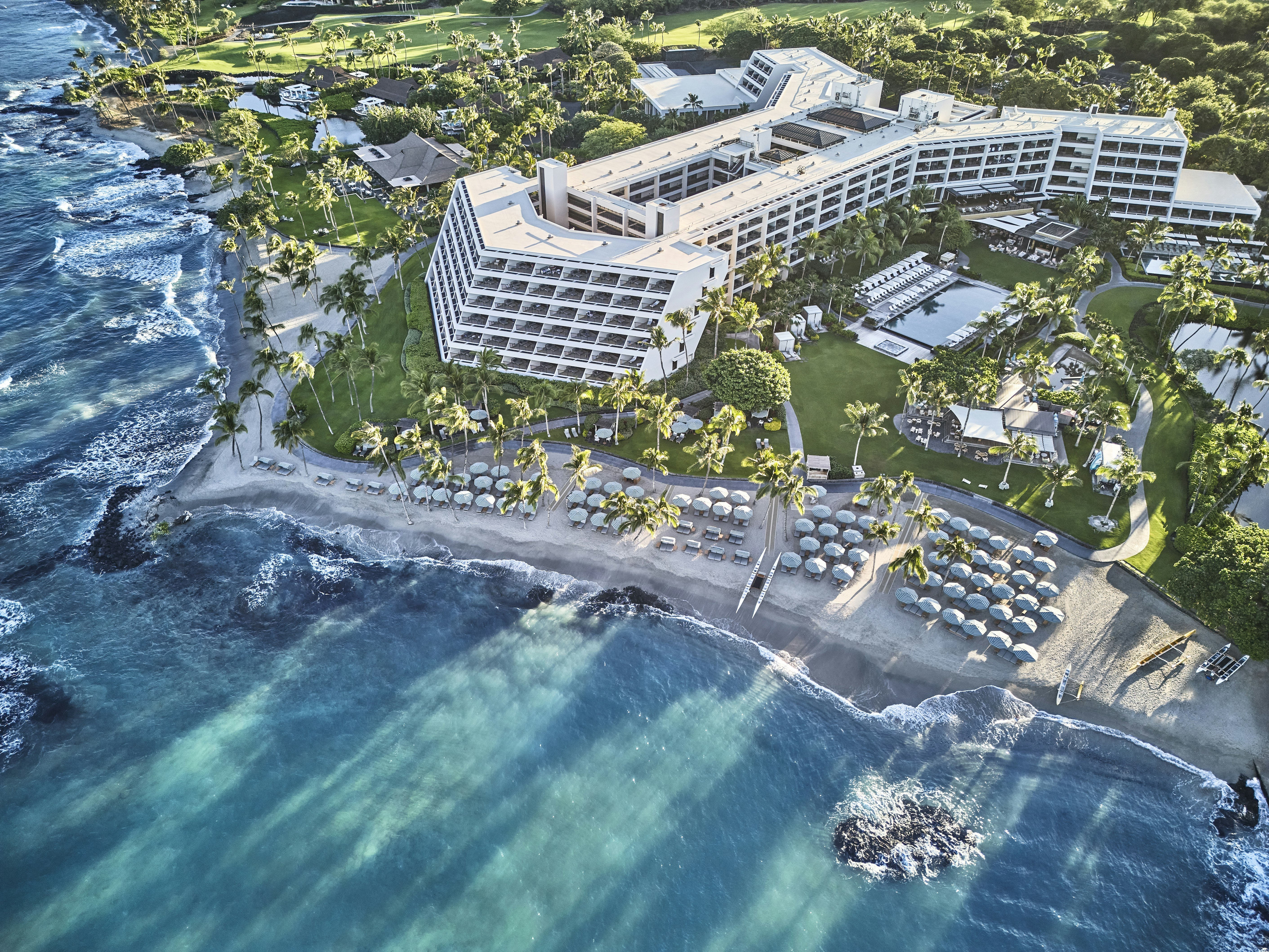
Mauna Lani operates 333 rooms and suites across two distinct architectural envelopes: the main resort building (the larger room inventory, with the Pacific or garden orientations), and the dedicated Bungalow Compound (the resort's most exclusive accommodations, in a separate compound at the resort's southern edge with its own private check-in, pool, and concierge service). The 2020 reimagining refreshed every room category, with the architectural philosophy emphasising the indoor-outdoor connection that the Hawaiian climate makes possible and the natural-materials palette (lava stone, koa hardwood, the woven lauhala textiles of the Hawaiian craft tradition) that the Auberge Collection's specific approach requires.
Resort Room (the entry-level luxury accommodation)
The Resort Rooms — at 540 sq ft, with private lanais and the Pacific or garden orientation — are the resort's standard accommodation. The configuration includes the marble bathroom with the deep soaking tub, the Hawaiian-inspired wallpapers and textiles, and the dedicated minibar arrangement that emphasises Hawaiian beverages (Kona coffee, Hawaiian fruit juices, the local craft beers and spirits). The Pacific-orientation rooms produce the most reliable sunset view available at any Big Island hotel.
Ocean View Room (the upgraded view configuration)
The Ocean View Rooms are positioned in the main building's upper floors with the unobstructed Pacific view from the lanai. The Mauna Loa-orientation rooms produce the dramatic volcanic-landscape view that the Big Island specifically delivers — the 4,169-metre volcano visible across the Kohala Coast lava fields.
Suite Categories (the larger configurations)
The Junior Suites add the seating area; the Mauna Lani Suites add the separate living room. The corner Mauna Lani Ocean Suites at 1,200+ sq ft are the property's most-requested specific suite category — the wraparound lanai, the two-direction Pacific and Mauna Loa view, and the larger living configuration make this the strongest value proposition for the milestone celebration or the longer stay.
The Bungalow Compound (the resort's flagship accommodations)
The Bungalow Compound is Mauna Lani's most distinctive accommodation tier — five 4,000+ sq ft bungalows in a dedicated private compound at the resort's southern edge, each with its own infinity pool, private courtyard garden, dedicated butler service, and separate check-in via the Bungalow's private concierge. The Bungalow guests have private access to the resort's main amenities while operating as a self-contained luxury compound when privacy is the priority. The Bungalow Compound has hosted the most significant private bookings in the Auberge era of the property.
The Spa: HALE HO'OLA at the Resort's Southern Edge
HALE HO'OLA — meaning "house of healing" in Hawaiian — is the resort's dedicated spa facility, occupying a separate compound at the southern end of the property with the dedicated wellness pool, the eight treatment rooms, the relaxation lounges, and the wellness programming that emphasises Hawaiian healing traditions alongside the contemporary luxury spa standard. The signature treatments include the Lomi Lomi (the traditional Hawaiian massage technique whose specific approach to bodywork incorporates extended-stroke patterns and the integration of breathwork that distinguishes it from Asian massage traditions), the salt-and-volcanic-clay treatments drawing on the Big Island's specific geological resources, and the Pacific-blue water therapy program in the dedicated wellness pool.
Dining: Canoe House, Hu Maka'aina, and the Beach Club
Mauna Lani operates four distinct dining venues across the resort. Canoe House is the resort's signature contemporary Hawaiian fine dining destination — the menu drawing on the Hawaiian regional culinary tradition (the local fish caught by the resort's fishing programme, the Big Island agriculture's specific produce, the Hawaiian craft beverages) at the contemporary luxury level. The dining room's open-air position above the Kalāhuipua'a fishponds and the Pacific is the most architecturally celebrated dining environment at the property.
Hu Maka'aina is the resort's casual Hawaiian-Polynesian destination — the breakfast and lunch venue with the contemporary Hawaiian comfort cooking, the substantial brunch programme, and the family-friendly dining configuration that the resort's family guests specifically need.
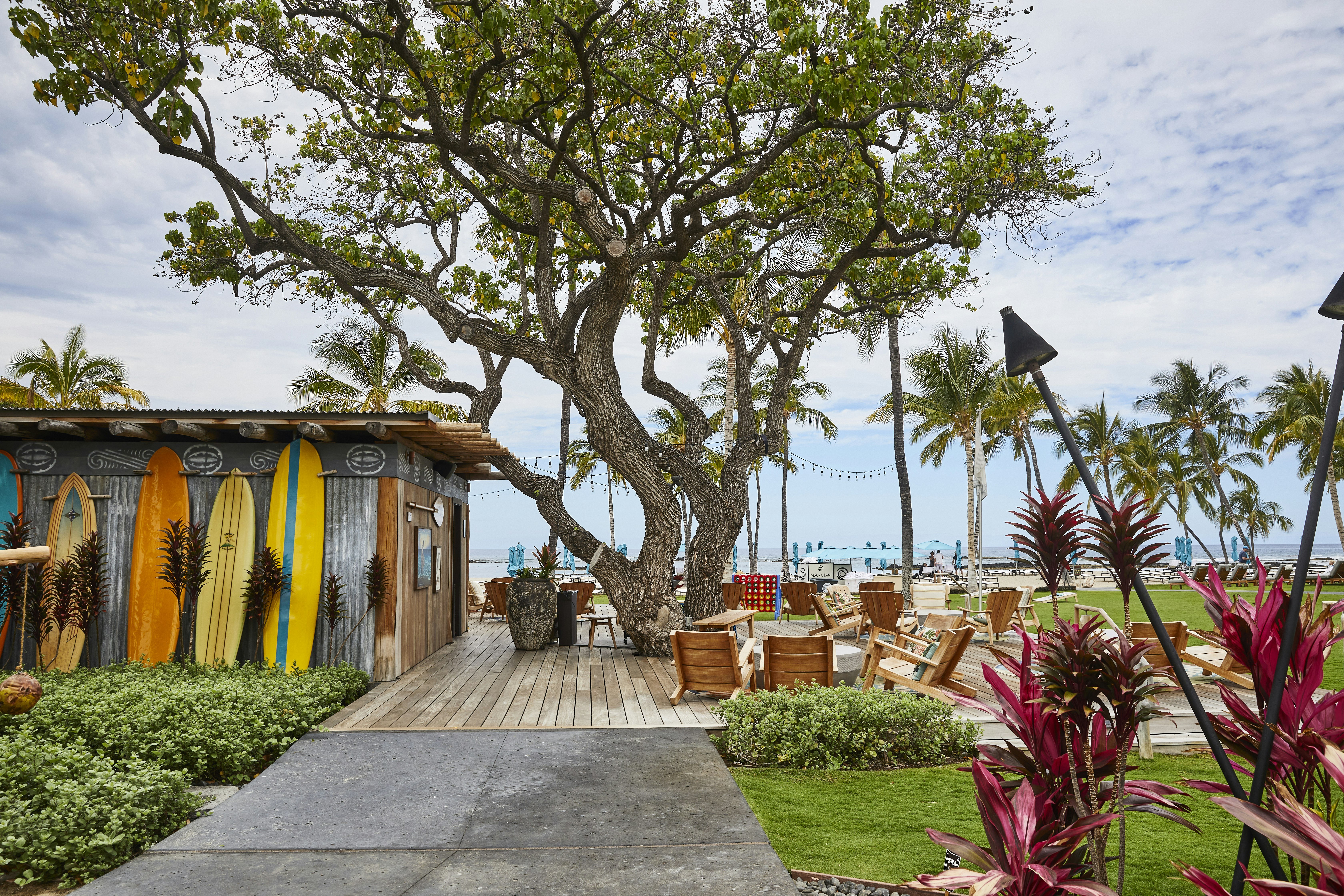
The Beach Club is the dedicated beachfront dining venue — pool-side service, casual Hawaiian-style menu, the daytime cocktail programme that the resort's Pacific-facing pool and beach culture specifically supports.
Activities: The Two Championship Golf Courses and the Cultural Programming
Mauna Lani's resort grounds include two championship golf courses — the South Course (designed by Homer Flint and opened in 1981) and the North Course (designed by Ron Forse and opened in 1991, with the dramatic 17th hole over the lava fields that has become one of the most photographed holes in Pacific golf). Both courses are operated by the resort with priority tee-time access for resort guests and the integrated golf-and-stay programme that the Auberge Collection's specific approach supports.
The cultural programming is the resort's most distinctive operational pillar. The Hawaiian Cultural Director leads the daily complimentary tours through the petroglyph field and the Kalāhuipua'a fishpond system; the resort hosts the weekly cultural workshops (lei-making, lauhala weaving, the traditional Hawaiian navigation that the contemporary practitioners are reviving); and the seasonal cultural events — the resort's Makahiki celebration during the Hawaiian harvest period (October–February) is among the most authentic Hawaiian cultural programs at any luxury resort.
Position in the Big Island Luxury Market
The Big Island luxury hotel market includes several distinguished competitors: the Four Seasons Resort Hualalai (the FSPP property at the southern Kohala Coast, with the most internationally recognised brand identity), the Fairmont Orchid (the larger-scale full-service Kohala Coast luxury at more accessible rates), and the Big Island's smaller boutique properties along the Kona Coast. Mauna Lani's specific position among these is the combination of the cultural-heritage substance (the Kalāhuipua'a fishponds, the petroglyph field, the Hawaiian Cultural Director programme), the Auberge Collection's specific design philosophy, and the two championship golf courses on the resort grounds. For the traveler whose Big Island motivation includes the genuine Hawaiian cultural depth alongside the contemporary luxury experience, Mauna Lani is the strongest single recommendation.
The Auberge Collection Booking Through WhataHotel!
Mauna Lani, Auberge Collection books through the Signature preferred partner program — WhataHotel!'s direct partner relationship with the Auberge Resorts Collection, accessing the brand's tier-1 preferred partner benefit package. The benefits at this property include daily breakfast for two at Hu Maka'aina or in-room (the elaborate Hawaiian-influenced breakfast configuration is among the most generous in the Hawaii luxury market), $100 USD hotel credit per stay (typically applied at Canoe House or HALE HO'OLA), upgrade priority at check-in (the Resort Room to Ocean View Room or Junior Suite upgrade is the primary value lever), early check-in and late checkout on priority basis, and a personalised welcome amenity. The Auberge rate matches the rate on aubergeresorts.com directly.
When to Visit
The Kohala Coast's specific climate produces the most consistent year-round weather in Hawaii — less than 30 cm of rainfall per year, daytime temperatures consistently between 24°C and 28°C, and the most reliable sunshine pattern in the islands. The peak season (December through April) corresponds to the North American mainland winter; the shoulder months (May, October–November) deliver similar weather at meaningfully better rates and availability. The summer months (June–August) are slightly warmer and busier with American mainland family travel; the fall months (September–November) deliver the most peaceful resort atmosphere and the strongest preferred partner availability.
The Hawaiian cultural calendar produces specific moments worth coordinating with: the Makahiki season (October through February, the traditional Hawaiian harvest period when the resort's cultural programming reaches its most extensive expression), the merrie monarch festival (Hilo, early April, the world's most significant hula competition that the resort's cultural programme references), and the various Hawaiian holidays (Prince Kuhio Day in March, Kamehameha Day in June). For the traveler whose Hawaiian motivation specifically includes the cultural depth, coordinating the visit with these calendar moments produces the most substantive cultural engagement.