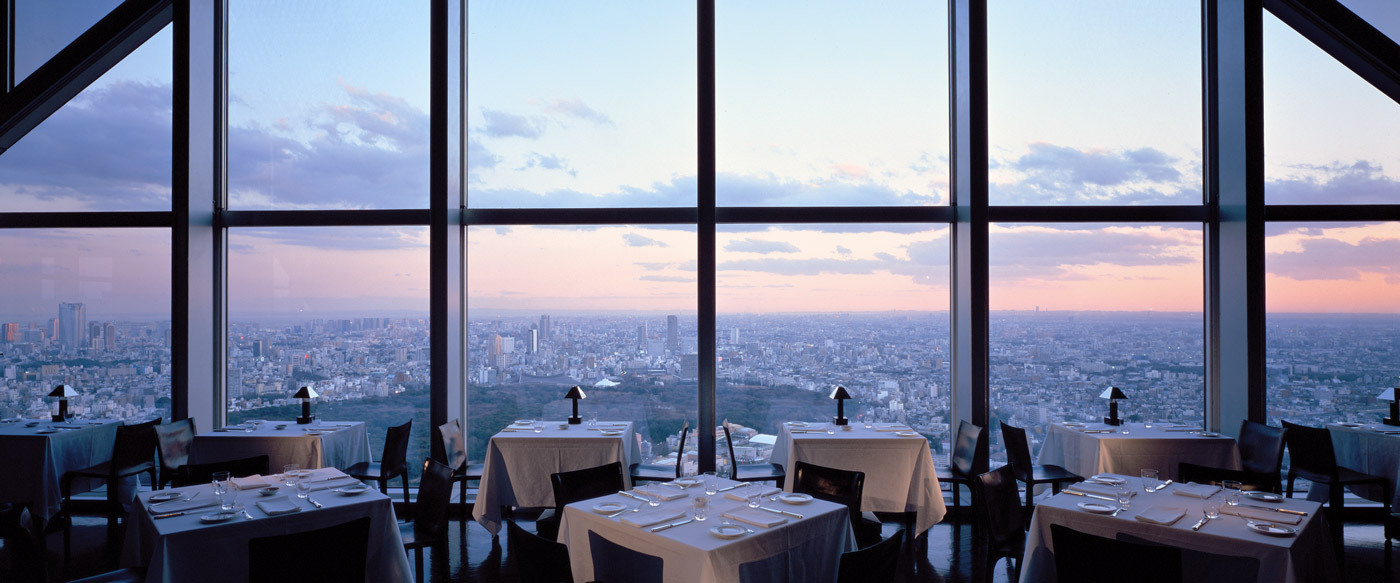
Park Hyatt Tokyo is the most culturally embedded luxury hotel in any city in the world. Sofia Coppola's Lost in Translation (2003) — set almost entirely within the hotel and its New York Bar — fixed the property in the global imagination as the definitive Tokyo luxury experience, and the two decades since have refined rather than diluted that identity. The hotel occupies the top fourteen floors of the Shinjuku Park Tower, with the New York Grill and Bar on the 52nd floor producing the most photographed nighttime city panorama in Asia, and the Kenzo Kuma-designed renovation completed in 2024 has restored the property to a contemporary luxury standard while preserving the architectural and operational identity that made it iconic. For wider context, see our Best Luxury Hotels in Tokyo guide and the Park Hyatt chain guide.
The Setting: Shinjuku and the Architecture of Kenzo Tange
Park Hyatt Tokyo occupies the top fourteen floors (39th through 52nd) of the Shinjuku Park Tower — the 52-storey building designed by Kenzo Tange (the most internationally celebrated Japanese architect of the late twentieth century, awarded the Pritzker Prize in 1987) and completed in 1994. The Shinjuku Park Tower is itself one of the most architecturally significant skyscrapers in Tokyo, with Tange's three-stepped pyramid design referencing the layered Japanese pagoda tradition while operating at the contemporary high-rise scale. The hotel's position above floor 39 produces panoramic views in every direction; on clear days, Mount Fuji is visible from the western-facing rooms.
The Shinjuku district itself — Tokyo's busiest commercial and entertainment quarter, with the world's busiest railway station (Shinjuku Station, more than 3.6 million daily passengers) located ten minutes' walk from the hotel — provides a specifically Tokyo urban context for the property. The hotel's architecture deliberately separates the guest experience from the surrounding density: the elevator ride from the ground floor lobby ascends 165 metres to the hotel's 41st-floor reception level, and the upper-floor public spaces operate as a contemplative envelope that the surrounding city pressure does not penetrate. The transition from Shinjuku Station's energy to the hotel's high-floor stillness is the most distinctive arrival sequence in Tokyo's luxury hotel market.
The Rooms: 177 Across Twelve Categories
The hotel operates 177 rooms and suites across the upper floors of the building — a relatively modest total that produces a guest-to-staff ratio meaningfully higher than the typical Tokyo luxury hotel. The room categories follow the Park Hyatt convention: Park Rooms (entry-level luxury), Park Deluxe (upgraded), Park Suite categories (separate living space), and the Diplomat and Tokyo Suite categories at the top tier. The 2024 Kenzo Kuma renovation refreshed every room category, with the architectural philosophy emphasising the Japanese natural-materials palette: light timber, woven washi paper, the specific quality of natural light through paper shoji screens.
Park Room (the entry-level luxury accommodation)
The Park Rooms — at 478 sq ft, on the 41st through 47th floors — are the hotel's standard accommodation, with the floor-to-ceiling windows producing the panoramic city view from every room. The bathroom configuration includes the deep ofuro soaking tub at the window (the morning view of the city from the bath is among the most photographed Tokyo hotel experiences), and the bedroom's writing desk is positioned at the window with the Mount Fuji view (clear days) as the working backdrop.
Park Deluxe and Park View Rooms (upgraded view configurations)
The Park Deluxe Rooms are larger configurations with the additional living seating area; the Park View Rooms are specifically positioned on the higher floors (48th through 51st) with the most elevated panoramic view. For the Mount Fuji view specifically, the western-facing Park View Rooms produce the most reliable visibility on clear days.
Park Suite (the separate-living accommodation)
The Park Suites — at 950 sq ft — add a separate living room and dining area to the bedroom and bathroom. The configuration is the strongest value proposition for the longer stay (4+ nights), where the additional living space justifies the rate increment. The corner Park Suites produce two-direction panoramas (typically west and south, framing both the Shinjuku district and the southern Tokyo cityscape).
Diplomat and Tokyo Suite (the top-tier accommodations)
The Diplomat Suite is the hotel's flagship one-bedroom suite at 1,615 sq ft, on the 51st floor. The Tokyo Suite is the largest accommodation at 2,098 sq ft, with the wraparound terrace and the most generous living configuration the property offers. Both are the booking decision for the milestone celebration, the long stay, or the multigenerational family configuration.
The New York Grill and Bar: The Most Iconic Hotel Bar in the World
The New York Bar on the 52nd floor — the topmost public space of the hotel, with the panoramic Tokyo nighttime view through floor-to-ceiling glass on three sides — is the most internationally famous hotel bar in the world, and the central setting of Sofia Coppola's Lost in Translation. The bar opened with the hotel in 1994; the live jazz program (resident jazz quartet, beginning at 8pm nightly) has operated continuously across three decades, and the cocktail program has been continuously refined under successive head bartenders without losing the original identity that the film fixed in cultural memory.
The adjacent New York Grill — the dining room on the same floor — is the hotel's signature American-style restaurant, with prime steaks, fresh seafood from Tsukiji's successor markets, and the wine programme of more than 1,500 bottles that ranks among the most substantial of any Tokyo hotel restaurant. The dining room's panoramic position and the restaurant's continuous operation since 1994 make it one of the most reliably excellent fine-dining experiences in the city.
Club On The Park: The 47th-Floor Spa
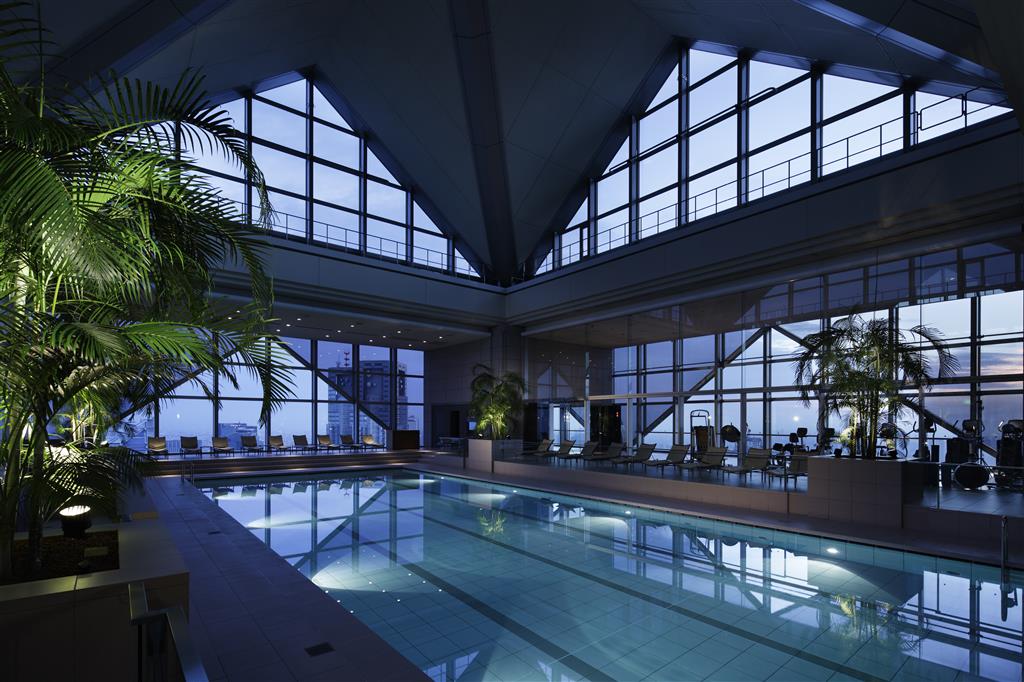
Club On The Park — the hotel's spa and fitness facility on the 47th floor — is the most architecturally distinctive hotel wellness centre in Tokyo. The 25-metre indoor lap pool occupies a glass-walled hall on the 47th floor, with the Tokyo skyline as the panoramic backdrop to every length swum. The pool's position 165 metres above the city produces an experience available at no other Tokyo hotel: the swim with the view of Tokyo Tower, the Shinjuku skyscrapers, and (on clear days) Mount Fuji as the panorama.
The spa's treatment program emphasises Japanese ingredients and traditional bathing rituals — the sake- and yuzu-based body therapies, the green tea-based facial program, the deep ofuro experiences in the spa's private suite. The fitness centre's equipment, the personal training program, and the yoga and pilates studio complete the wellness offering at the level the property's overall service standard establishes.
Position in the Tokyo Luxury Market
Tokyo's luxury hotel market is dense with first-class properties: Aman Tokyo (the contemplative-Japanese specialist with the largest hotel spa in any major Japanese city), Mandarin Oriental Tokyo (the Nihonbashi business district address with the strongest Michelin-starred restaurant program), the Peninsula Tokyo (the Marunouchi corporate district, with the closest access to the Imperial Palace), and the Ritz-Carlton Tokyo (the Roppongi Midtown tower with the highest hotel rooms in central Tokyo). The Park Hyatt's specific identity among these is the cultural one — the Lost in Translation identity, the New York Bar's iconic status, and the Kenzo Tange architectural significance that none of the competitors fully match. For the traveler whose Tokyo motivation includes the cinematic and cultural resonance of the city specifically, the Park Hyatt is the strongest single recommendation.
The Hyatt Privé Booking Through WhataHotel!
Park Hyatt Tokyo books through the Hyatt Privé preferred partner program — the World of Hyatt's tier-1 preferred partner relationship that WhataHotel! holds across the global Hyatt portfolio. The benefits at this property include daily breakfast for two at Girandole (the all-day dining venue with the elaborate Japanese-Western breakfast configuration), $100 USD hotel credit per stay (typically applied at the New York Grill or Club On The Park), upgrade priority at check-in (the Park Room to Park Deluxe or Park Suite upgrade is the primary value lever), early check-in and late checkout on priority basis, and a personalised welcome amenity. The Hyatt Privé rate matches the rate on hyatt.com directly.
For the World of Hyatt loyalty program member, the Privé booking stacks with Globalist and Explorist benefits — the configuration that produces the strongest possible outcome at any Hyatt luxury property. Globalist members receive both the Privé preferred partner perks AND the Globalist suite upgrade priority, club access, and breakfast benefit simultaneously.
When to Visit
The cherry blossom season (late March through early April) is the most internationally celebrated period for Tokyo travel; the cherry trees of nearby Shinjuku Gyoen Park (the 144-acre public garden one metro stop from the hotel) are among the city's finest blossom destinations. The autumn foliage season (early-to-mid November) delivers the most photogenic Tokyo light at meaningfully better availability than the cherry blossom weeks. The summer months (July–August) are typically Tokyo's most humid, but produce the longest daylight hours and the lowest peak-season demand. Winter (December–February) is cold and clear, with the most reliable Mount Fuji visibility from the hotel's western-facing rooms.